
Planning meals for your family while sticking to a budget can feel like solving a complex puzzle every single week. Between rising grocery prices, busy schedules, and trying to keep everyone happy at the dinner table, many families find themselves stressed about mealtime before it even arrives. The good news is that with a solid plan in place, you can feed your family nutritious, satisfying meals without overspending or sacrificing precious time.
A well-organized meal planning system transforms your kitchen from a source of daily stress into a smoothly running operation. You’ll find yourself spending less money at the grocery store, throwing away less food, and actually enjoying the process of feeding your family. This approach works whether you’re cooking for two or ten, and it adapts easily to different dietary needs and preferences within your household.
Throughout the following sections, you’ll discover practical strategies for creating a sustainable 7-day meal plan that fits your budget and lifestyle. From smart shopping techniques to batch cooking methods, these proven approaches will help you master the art of affordable family meal planning. Let’s explore how you can revolutionize your weekly meal routine while keeping more money in your pocket.
Setting Your Weekly Budget and Shopping Strategy
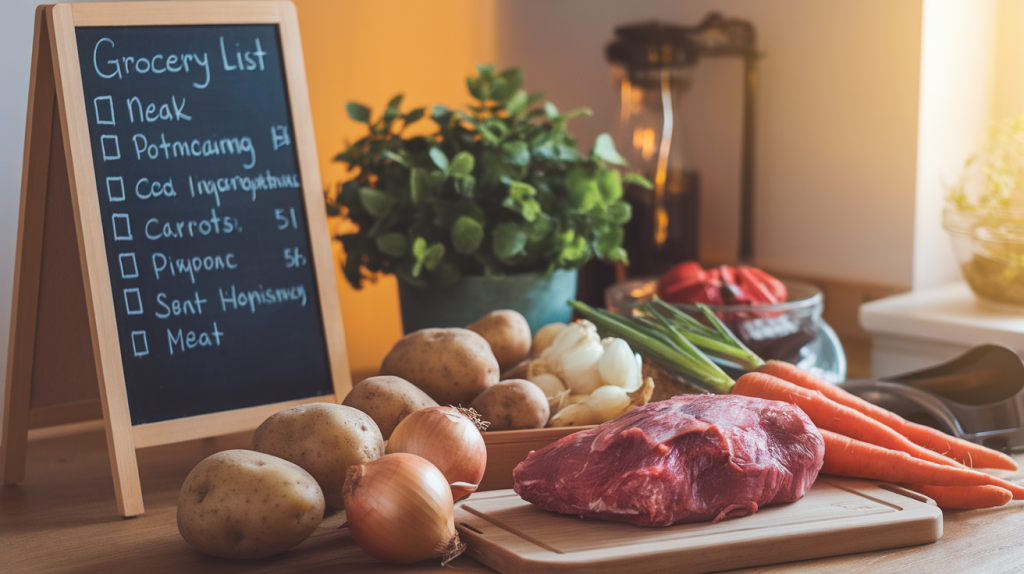
Creating a realistic food budget forms the foundation of successful meal planning. Most families spend between 10-15% of their income on groceries, though this varies based on location and household size. Start by tracking your current spending for two weeks to understand your baseline. You might discover you’re spending more than you realized on impulse purchases or convenience foods that quickly drain your budget.
How to calculate your realistic food budget
Begin with your monthly take-home income and determine what percentage you can allocate to food. A family of four typically spends $600-1200 monthly on groceries, depending on their location and eating habits. Divide this monthly amount by 4.3 to get your weekly budget. If you’re currently overspending, reduce gradually rather than drastically cutting your budget overnight.
Consider all food-related expenses in your calculations. This includes groceries, household items purchased at the grocery store, and any planned takeout meals. Having a clear number gives you boundaries to work within and helps you make informed decisions at the store.
Your budget should reflect your family’s actual needs rather than arbitrary goals. Growing teenagers eat more than toddlers, and families with food allergies often face higher grocery costs. Build these realities into your planning from the start.
Creating a master grocery list template
A comprehensive template saves time and prevents forgotten items that lead to expensive mid-week store runs. Organize your list by store layout, grouping produce, dairy, meats, and pantry items together. This organization speeds up shopping trips and reduces the temptation to wander through unnecessary aisles.
Keep your template digitally so you can easily copy it each week and adjust as needed. Include staples your family uses regularly like milk, bread, eggs, and fresh fruits. Having these basics pre-listed ensures you never run out of essentials.
Review and update your template monthly based on seasonal changes and your family’s evolving preferences. Summer might mean more salad ingredients and grill-friendly foods, while winter calls for soup ingredients and hearty casserole components. This flexibility keeps your meal planning fresh and relevant.
Track prices of frequently purchased items on your template. Knowing that chicken breast typically costs $3.99 per pound helps you spot genuine sales versus regular pricing disguised as deals. This price awareness becomes second nature over time.
Smart shopping tactics for maximum savings
Strategic shopping starts before you leave home. Check your pantry, refrigerator, and freezer to avoid buying duplicates. Nothing wastes money faster than purchasing items you already have hidden in the back of your cupboard. Take photos of your pantry and fridge contents if you tend to forget what you have while shopping.
Buy generic or store brands for most items. These products often come from the same manufacturers as name brands but cost 20-30% less. Reserve brand loyalty for the few items where your family notices a real quality difference. Rice, flour, canned vegetables, and frozen fruits typically taste identical regardless of brand.
Shop the perimeter of the store first, where fresh produce, meats, and dairy live. These whole foods generally offer better nutrition per dollar than processed foods in the center aisles. Fill your cart with these basics before venturing into the more expensive packaged food sections.
Consider these additional money-saving strategies:
Unit Pricing: Compare cost per ounce or pound rather than package price
Loss Leaders: Stock up on deeply discounted items you use regularly
Seasonal Produce: Buy fruits and vegetables at their peak season for best prices
Bulk Bins: Purchase exact amounts needed for grains, nuts, and spices
Rain Checks: Get them for sold-out sale items to buy later at the sale price
Timing your shopping trips for best deals
Wednesday mornings often offer the best combination of fresh stock and uncrowded stores. New sales typically start midweek, and you’ll have first pick of marked-down meats and produce from the previous week’s inventory. Avoid shopping on weekends or right after work when stores are crowded and picked over.
Many stores mark down perishables in the morning, particularly meat and bakery items approaching their sell-by dates. These items are perfectly safe when frozen immediately or used within a day or two. A 50% discount on quality meat can significantly stretch your budget.
Plan shopping trips no more than once weekly to minimize impulse purchases. Each store visit presents opportunities to overspend, so limiting trips protects your budget. If you must make a mid-week run, stick to a specific list and avoid browsing.
Sign up for store loyalty programs and digital coupons, but don’t let sales dictate your menu entirely. Buy discounted items only if they fit into your meal plan or you can properly store them for future use. A great deal on something you won’t use is still wasted money.
Monthly stock-up trips to warehouse stores can supplement weekly shopping for shelf-stable items and frozen goods. Calculate whether bulk purchases truly save money after considering membership fees and storage limitations. Split large packages with friends or family if storage space is limited.
Building Your 7-Day Meal Framework

A successful weekly meal plan balances nutrition, variety, and cost while respecting your available cooking time. The key lies in choosing versatile ingredients that work across multiple meals and planning dishes that complement each other throughout the week. This systematic approach eliminates daily decision fatigue and ensures nothing goes to waste.
Choosing versatile base ingredients
Select ingredients that can transform into multiple dishes throughout your week. A whole chicken, for instance, provides roasted dinner on Sunday, sandwich meat for Monday’s lunch, and bones for Tuesday’s soup stock. This single purchase yields at least three meals while costing less than buying separate cuts.
Ground meat offers similar flexibility at an affordable price point. One family pack can become tacos, spaghetti sauce, shepherd’s pie, and stuffed peppers across several dinners. Season differently for each dish to avoid flavor fatigue. Turkey and beef can often be interchanged based on sales and preferences.
Rice, pasta, and potatoes form inexpensive foundations for countless meals. These pantry staples stay fresh for extended periods and pair well with whatever vegetables and proteins you have available. A 5-pound bag of rice costs under $5 and provides approximately 55 servings.
Eggs deserve special recognition as budget meal planning heroes. They work for any meal, provide quality protein, and cost mere cents per serving. French toast for breakfast, egg salad sandwiches for lunch, and vegetable frittata for dinner showcase their versatility without breaking your budget.
Frozen vegetables maintain nutritional value while offering convenience and extended shelf life. Buy large bags of mixed vegetables, broccoli, and spinach to add nutrition to any meal. They’re often more affordable than fresh, especially when certain vegetables aren’t in season.
Planning breakfast, lunch, and dinner combinations
Structure your week with theme nights to simplify planning while maintaining variety. Meatless Monday, Taco Tuesday, and Pizza Friday give your family predictable favorites while leaving room for creativity within each theme. This framework speeds up both planning and shopping.
Breakfast can rotate between three or four simple options rather than requiring seven unique meals. Overnight oats on Monday and Thursday, scrambled eggs on Tuesday and Friday, pancakes on Wednesday and Sunday, and cereal on Saturday provides variety without complexity. Prep overnight oats in batches for multiple days.
Lunch planning depends on whether family members eat at home or need packed meals. Leftovers from dinner make the most economical lunch option. When cooking dinner, intentionally make extra portions for the next day’s lunch. This strategy requires no additional shopping or cooking time.
Balancing nutrition with cost-effectiveness
Nutritious eating doesn’t require expensive superfoods or organic everything. Focus on getting vegetables, proteins, and whole grains into each meal using affordable options. Frozen and canned vegetables often cost less than fresh while providing similar nutritional benefits.
Build meals around produce on sale that week. If broccoli is discounted, plan stir-fry, broccoli soup, and roasted broccoli as a side dish. This approach ensures variety in your vitamin and mineral intake while respecting your budget. Seasonal eating naturally provides this variety.
Beans and lentils offer exceptional nutrition at minimal cost. These protein-packed ingredients work in soups, salads, tacos, and casseroles. Dried versions cost even less than canned, though they require advance soaking. A pound of dried beans costs about $1.50 and yields six cups cooked.
Stretch meat by using it as a flavoring rather than the main component. A small amount of bacon or sausage can flavor an entire pot of beans or soup. Ground meat mixed with beans or lentils in dishes like chili or meatloaf maintains satisfaction while reducing cost.
Include at least one meatless dinner weekly to reduce expenses while increasing vegetable consumption. Pasta with marinara sauce, bean burritos, or vegetable soup with grilled cheese provide filling, nutritious meals at a fraction of meat-based dinner costs.
Creating variety without breaking the bank
Small changes to preparation methods and seasonings transform basic ingredients into diverse meals. Chicken can be grilled with barbecue sauce, baked with Italian herbs, stir-fried with Asian flavors, or slow-cooked with Mexican spices. Same protein, completely different experiences.
Rotate side dishes to make repeated main courses feel fresh. Serving spaghetti with garlic bread one week and salad the next changes the meal’s character. This approach works especially well for budget-friendly proteins you buy frequently.
International cuisines offer affordable variety through different spice combinations and cooking techniques. Asian, Mexican, Italian, and Indian dishes often rely on inexpensive ingredients like rice, beans, and vegetables. Invest in a few key spices for each cuisine to expand your options dramatically.
Keep one wildcard night weekly for trying new recipes or using up random ingredients. This flexibility prevents food waste and adds excitement to your routine. Search online for recipes using ingredients you need to use up for inspiration.
Breakfast-for-dinner nights delight kids while keeping costs minimal. Pancakes, French toast, or breakfast burritos cost significantly less than traditional dinner fare. These meals also cook quickly on busy weeknights when time is limited.
Prep Day Success Strategies

Dedicating a few hours to meal preparation saves both time and money throughout your week. This investment on Sunday afternoon or whatever day works for your schedule prevents expensive takeout orders on busy nights. An organized prep session transforms raw ingredients into ready-to-cook components that streamline weeknight dinners.
Batch cooking fundamentals
Start your prep day by cooking proteins that take longest and require most attention. Season and bake several pounds of chicken breasts, brown ground meat for multiple uses, and hard-boil a dozen eggs. While proteins cook, move on to other tasks, maximizing your kitchen time efficiently.
Prepare grains in large batches since they store well and reheat easily. Cook a big pot of rice, quinoa, or pasta to use throughout the week. These precooked bases turn into quick dinners when you add vegetables, proteins, and sauces. Store portions in containers labeled with contents and date.
Soups, stews, and casseroles benefit from advance preparation and often taste better after flavors meld overnight. Make double batches of these dishes, eating half during the week and freezing half for future busy weeks. This approach gradually builds your freezer stash of homemade convenience meals.
Proper food storage techniques
Invest in quality glass containers with tight-fitting lids for storing prepped ingredients and meals. Glass doesn’t retain odors or stains, lasts years with proper care, and allows you to see contents easily. While the initial investment costs more than plastic, glass containers prove more economical long-term.
Learn which vegetables store best when prepped ahead and which should wait until serving day. Carrots, celery, and bell peppers can be chopped days in advance. Lettuce should be washed and dried but not chopped until needed. Avocados and apples brown quickly once cut and need lemon juice to prevent oxidation.
Label everything with contents and date using masking tape and permanent marker. This simple step prevents mystery containers from languishing in your refrigerator until they spoil. Use the “first in, first out” principle, placing newer items behind older ones.
Store prepped ingredients based on when you’ll use them during the week. Monday and Tuesday meals should be most accessible, with later meals stored toward the back. This organization prevents you from accidentally using Thursday’s ingredients on Monday.
Raw meats require special attention for food safety. Store them on the lowest refrigerator shelf to prevent drips from contaminating other foods. Use within 2-3 days or freeze for longer storage. Thaw frozen meats in the refrigerator, never on the counter.
Time-saving prep shortcuts
Chop all vegetables for the week at once rather than daily. Set up an assembly line with cutting board, knife, and containers. Process vegetables in order from mildest to strongest flavor to avoid washing your knife repeatedly. This focused approach takes less time than multiple short prep sessions.
Pre-portion snacks and lunch items immediately after shopping. Divide large bags of crackers, pretzels, or veggie sticks into individual servings. This step prevents overeating and makes packing lunches nearly instant on busy mornings.
Mix dry ingredients for planned baking projects in labeled bags. Combine flour, baking powder, salt, and sugar for Thursday’s muffins now, so you only add wet ingredients later. This trick works especially well for pancake mix, cookie dough, and bread recipes.
Prepare marinades and sauces in advance for enhanced flavor and convenience. Mix several at once since you’re already measuring ingredients and washing dishes. Store in jars or squeeze bottles for easy use throughout the week.
Organizing your refrigerator for the week
Designate specific areas for different meal components to prevent confusion and food waste. Keep Monday’s dinner ingredients together on one shelf, Tuesday’s on another. This system makes cooking faster and ensures nothing gets forgotten until it spoils.
Create a lunch station with pre-portioned proteins, cut vegetables, and spreads grouped together. Family members can quickly assemble their own lunches from these components. This approach works particularly well for older children learning independence.
Use clear containers whenever possible to identify contents at a glance. Stack similar-sized containers to maximize vertical space. Square containers use space more efficiently than round ones, fitting together without gaps.
Keep a “use first” section for items approaching expiration or leftovers needing attention. Place this section at eye level where it can’t be overlooked. Check this area first when planning snacks or making substitutions in recipes.
Implement these organizational strategies to maximize efficiency:
Top Shelf: Leftovers and ready-to-eat items
Middle Shelves: This week’s meal components organized by day
Bottom Shelf: Raw meats and fish
Crisper Drawers: Fresh produce separated by type
Door: Condiments, beverages, and frequently used items
Making the Most of Leftovers and Ingredient Stretching

Transforming leftovers and maximizing every ingredient purchased dramatically reduces food costs while adding creativity to your meal planning. The average family wastes 25% of food purchased, essentially throwing away one quarter of their grocery budget. Smart leftover management and ingredient stretching techniques eliminate this waste while creating exciting new meals.
Creative leftover transformations
Yesterday’s roasted vegetables become today’s frittata filling or tomorrow’s soup base. This intentional progression of ingredients through multiple meals requires seeing leftovers as valuable components rather than boring repeats. Roasted vegetables can also top pizza, fill quesadillas, or blend into pasta sauce.
Leftover rice transforms into fried rice, rice pudding, or stuffed pepper filling. Add different proteins, vegetables, and seasonings to create entirely new dishes. Cold rice actually works better for fried rice than fresh, making this an ideal leftover application.
Transform unused portions of dinner proteins into lunch salads, sandwiches, or wraps. Shred leftover pot roast for barbecue sandwiches, dice chicken for chicken salad, or slice steak for fajitas. These transformations feel like completely different meals rather than leftovers.
Create “clean out the fridge” meals weekly to use small amounts of various leftovers. Grain bowls accept nearly any combination of proteins, vegetables, and sauces. Soup similarly accommodates random vegetables and proteins in a cohesive, satisfying meal.
One ingredient, multiple meals approach
Purchase larger quantities of versatile ingredients and plan their progression through your weekly menu. A pork shoulder can provide pulled pork sandwiches, pork tacos, pork fried rice, and pork soup across four different dinners. Each meal feels distinct despite sharing a common protein.
Vegetables follow similar patterns of use. A head of cauliflower becomes roasted cauliflower Monday, cauliflower soup Tuesday, and cauliflower “rice” in stir-fry Wednesday. This approach ensures produce gets used before spoiling while providing variety.
Plan complementary meals that share ingredients without feeling repetitive. Black beans in Monday’s burrito bowl reappear in Wednesday’s black bean soup and Friday’s southwestern salad. Different preparations and flavor profiles keep meals interesting.
Build a repertoire of sauces and seasonings that transform basic ingredients. The same chicken tastes completely different with teriyaki sauce, buffalo sauce, or herb butter. Keep these flavor boosters on hand to add variety without additional shopping.
Reducing food waste effectively
Store produce properly to extend its usable life. Remove vegetables from plastic bags, wrap herbs in damp paper towels, and keep tomatoes on the counter rather than refrigerated. These simple adjustments can double the lifespan of fresh produce.
Freeze items before they spoil for future use. Overripe bananas become smoothie ingredients or banana bread. Wilting vegetables join the frozen stash for future soup. Bread approaching staleness transforms into breadcrumbs or French toast.
Learn which vegetable scraps can be saved for making stock. Onion ends, carrot tops, celery leaves, and mushroom stems create flavorful broth when simmered together. Keep a freezer bag for collecting these scraps until you have enough for stock-making.
Practice nose-to-tail cooking with vegetables, using parts typically discarded. Broccoli stems slice into stir-fries, beet greens sauté like spinach, and radish tops blend into pesto. This approach provides free food from ingredients you’re already buying.
Monitor expiration dates and plan meals accordingly. Use items approaching expiration first, regardless of your original meal plan. Flexibility in execution prevents waste while maintaining your budget goals.
Emergency backup meal ideas
Stock your pantry with ingredients for three quick meals requiring no fresh ingredients. Pasta with jarred sauce, canned soup with crackers, or beans and rice provide satisfying dinners when plans fall through. These backup options prevent expensive takeout orders.
Keep breakfast items that work for dinner in desperate situations. Cereal, oatmeal, or toast with peanut butter fill hungry stomachs affordably when time or energy runs short. Children often enjoy these “backwards” meals as special treats.
Maintain a selection of versatile frozen proteins and vegetables for meal emergencies. Frozen fish fillets cook quickly from frozen, while frozen meatballs work in multiple applications. These items wait patiently until needed without spoilage concerns.
Create “emergency meal kits” by grouping shelf-stable ingredients for complete meals. Tape recipe cards to ingredient packages so anyone can prepare the meal. These kits simplify dinner on chaotic nights when decision-making feels overwhelming.
Emergency meal suggestions using only pantry staples:
Chickpea Curry: Canned chickpeas, coconut milk, curry powder, and rice
Tuna Noodle Casserole: Pasta, canned tuna, cream soup, and frozen peas
Bean and Cheese Quesadillas: Tortillas, canned beans, and shredded cheese
Peanut Butter Noodles: Pasta, peanut butter, soy sauce, and frozen vegetables
English Muffin Pizzas: English muffins, jarred sauce, and mozzarella cheese
Getting the Whole Family Involved
Meal planning becomes more successful and sustainable when everyone participates in the process. Children who help plan and prepare meals are more likely to eat what’s served and develop healthy relationships with food. Involving family members also distributes the workload, making meal planning less overwhelming for one person.
Age-appropriate kitchen tasks for kids
Toddlers can wash vegetables, tear lettuce for salads, and stir ingredients in bowls. These simple tasks build confidence and familiarity with different foods. Give them child-safe tools and expect messes as part of the learning process. Place newspaper or a washable mat under their workspace for easier cleanup.
Elementary-aged children can measure ingredients, crack eggs, and use child-safe knives for soft items. They’re capable of assembling simple meals like sandwiches or personal pizzas. Assign them responsibility for setting and clearing the table, building helpful habits that contribute to family mealtime.
Tweens and teenagers can follow recipes independently, operate appliances safely, and prepare entire meal components. They might make the salad while you prepare the main dish, or cook Saturday breakfast for the family. These responsibilities teach valuable life skills while lightening your workload.
Create a kitchen helper schedule so everyone knows their responsibilities each day. Post it prominently and rotate tasks weekly to prevent boredom. Children respond well to routine and clear expectations about their contributions.
Making meal planning a family activity
Hold a weekly family meeting to discuss the upcoming meal plan. Let each family member suggest one dinner for the week, within budget parameters. This involvement increases enthusiasm for meals and reduces complaints about food choices.
Browse grocery store flyers together, identifying sales and building meals around discounted items. Children learn practical math skills calculating savings and comparing prices. Make it a game to find the best deals or stay under a target budget.
Create a family cookbook of favorite budget-friendly recipes. Let children decorate pages and add photos of meals they’ve helped prepare. This project builds family memories while documenting successful meal ideas for future reference.
Assign older children responsibility for researching new recipes that fit your budget guidelines. They can search online or browse cookbooks for ideas using ingredients on sale that week. This task develops research skills and expands your meal repertoire.
Start a family rating system for new recipes. Everyone scores dishes on taste, ease of preparation, and whether they’d want it again. Keep highly-rated recipes in your regular rotation and abandon unsuccessful experiments without hurt feelings.
Teaching budget awareness through cooking
Show children grocery receipts and discuss food costs in age-appropriate ways. Young children can understand that some foods cost more than others. Older children can calculate cost per serving and compare homemade versus restaurant meal prices.
Let children manage a portion of the grocery budget for their lunch choices or snacks. Give them $10-15 weekly to select their items, teaching them to balance wants with needs. They quickly learn that name brands and individual packages consume budgets faster.
Demonstrate how planning prevents waste by showing spoiled food that must be discarded. Calculate the money lost when food spoils and discuss how that money could have been used differently. This visual lesson impacts children more than abstract discussions about waste.
Involve children in garden planning if you have space for growing vegetables. Calculate savings from homegrown tomatoes or herbs versus store prices. Even container gardens teach valuable lessons about food production and cost savings.
Play grocery store at home with younger children using real products and play money. Practice making choices within a budget and comparing prices. This game makes budget concepts concrete and enjoyable rather than restrictive.
Handling picky eaters on a budget
Implement a “one bite rule” where everyone tries one bite of each dish without pressure to finish. This approach exposes picky eaters to new foods without creating mealtime battles. Research shows repeated exposure increases food acceptance over time.
Serve new or disliked foods alongside familiar favorites to increase acceptance. A child might reject Brussels sprouts alone but try them when served with beloved mac and cheese. This strategy prevents separate meal preparation while encouraging variety.
Let picky eaters choose between two acceptable options rather than demanding they eat specific foods. “Would you like carrots or green beans?” gives them control while ensuring vegetable consumption. This technique reduces power struggles around food.
Involve picky eaters in food preparation to increase their investment in meals. Children often eat foods they’ve helped prepare, even items they typically reject. Let them choose recipes, shop for ingredients, and assist with cooking.
Keep a “safe” food available at each meal that you know your picky eater will consume. This might be bread, rice, or raw vegetables. They won’t starve if they reject the main dish, reducing parental anxiety and dinner table tension.
Your Budget-Friendly Meal Planning Roadmap
Successful meal planning on a budget isn’t about perfection – it’s about progress and finding systems that work for your unique family situation. Start small by implementing one or two strategies this week, then gradually add more as they become routine. Your initial attempts might feel awkward or time-consuming, but these processes quickly become second nature with practice. The financial savings and reduced mealtime stress make the effort worthwhile.
The techniques shared throughout this guide adapt to different family sizes, dietary restrictions, and cooking skill levels. Whether you’re feeding toddlers or teenagers, managing food allergies or preferences, or working with a tiny budget or more flexibility, these principles scale to meet your needs. Focus on the strategies that resonate most with your lifestyle and gradually incorporate others as you build confidence. Most families see significant savings within their first month of organized meal planning, often reducing their grocery spending by 20-30% while actually eating better.
Frequently Asked Questions
Q: How much time does meal planning really save during the week?
A: Most families save 5-7 hours weekly through meal planning. This includes reduced shopping trips, faster dinner preparation with prepped ingredients, and eliminated time spent deciding what to cook each night.
Q: What if my family gets bored eating the same meals repeatedly?
A: Rotate through a collection of 20-30 recipes rather than repeating the same seven meals weekly. Use different seasonings and side dishes to vary familiar main courses, and introduce one new recipe every two weeks to expand your repertoire gradually.
Q: Can meal planning work with irregular schedules?
A: Yes, build flexibility into your plan by preparing components rather than complete meals. Cooked proteins, chopped vegetables, and prepared grains can combine differently based on who’s home for dinner and available cooking time.
Q: How do I meal plan for different dietary needs within one family?
A: Focus on customizable base meals where individuals can add or omit ingredients. Taco bars, grain bowls, and pasta bars let each person build their preferred version while sharing core components.
Q: What’s the minimum budget needed for family meal planning?
A: The USDA’s Thrifty Food Plan suggests $150-200 weekly for a family of four, but many families successfully meal plan on less. Your location, family size, and dietary needs determine your minimum viable budget.
Q: Should I shop at multiple stores to get the best deals?
A: Only if the savings exceed your time and gas costs. Generally, shopping at 1-2 stores maximum prevents deal-chasing from consuming excessive time. Focus on stores with consistently good prices on your staple items.
Q: How long can I safely keep meal prepped food in the refrigerator?
A: Most cooked foods stay safe for 3-4 days when properly refrigerated. Raw chopped vegetables last 5-7 days, while washed greens maintain quality for about one week when stored correctly.
Q: What if I don’t have time for a dedicated prep day?
A: Break preparation into smaller sessions throughout the week. Chop vegetables while dinner cooks, portion snacks while children do homework, or prep tomorrow’s ingredients after tonight’s cleanup.