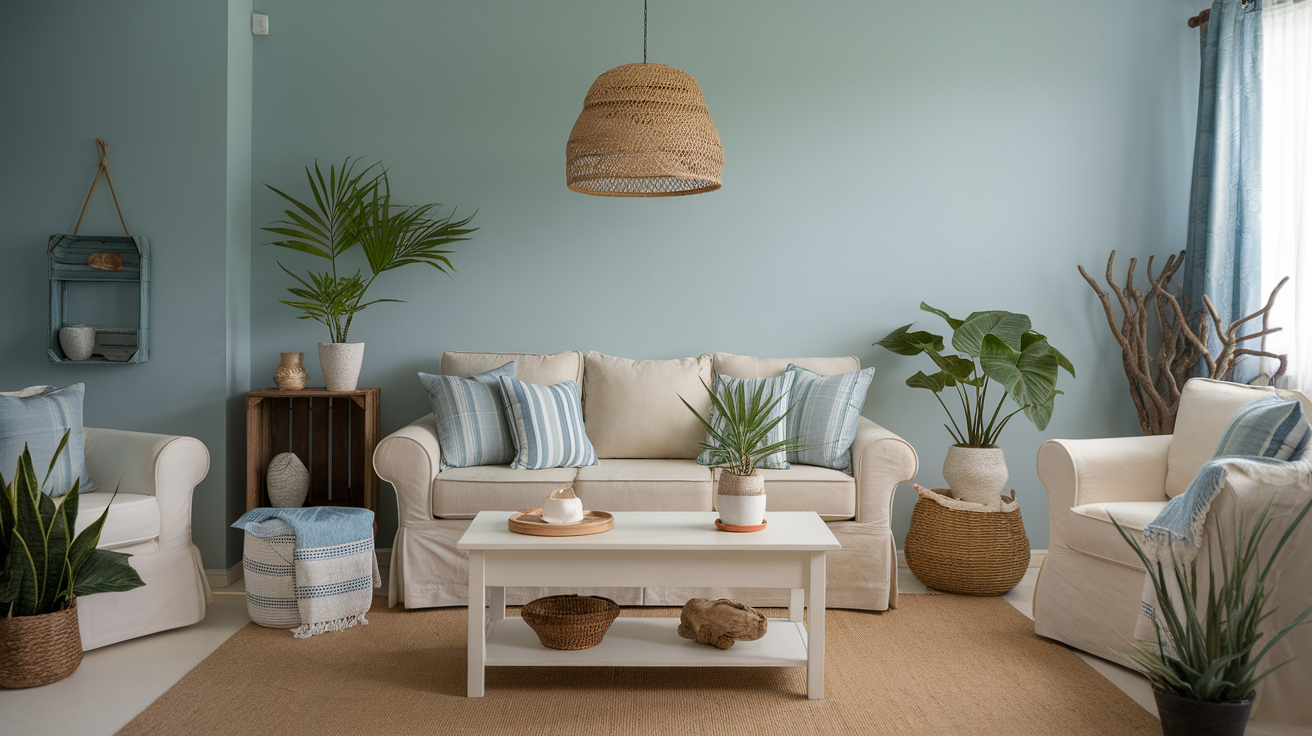
Creating a living room that captures the essence of coastal living transforms your home into a year-round retreat. The appeal of these spaces goes beyond simple beach themes – they offer a lifestyle centered on relaxation, natural beauty, and connection to the outdoors. Modern coastal design has evolved far from the predictable anchors and seashells of decades past, focusing instead on sophisticated interpretations of seaside living that work in any location, whether you’re miles from the ocean or steps from the shore.
The magic of coastal living rooms lies in their ability to feel both polished and effortless simultaneously. These spaces channel the casual elegance of beach houses while maintaining the functionality needed for everyday life. Light bounces off carefully chosen surfaces, furniture arrangements promote easy conversation, and every element works together to create an atmosphere of unhurried calm. The result feels like a permanent vacation spot right in your own home, where stress naturally dissolves the moment you step through the door.
In the following sections, you’ll discover seven powerful strategies for achieving that coveted fresh and open feeling in your living room. From maximizing natural light to selecting the perfect textures and colors, each approach builds upon the others to create a cohesive coastal atmosphere. Whether you’re starting from scratch or refreshing an existing space, these ideas will help you capture the breezy, welcoming spirit that makes coastal living rooms so irresistibly inviting. Let’s transform your living space into the serene sanctuary you’ve been dreaming about.
Why Natural Light Makes All the Difference
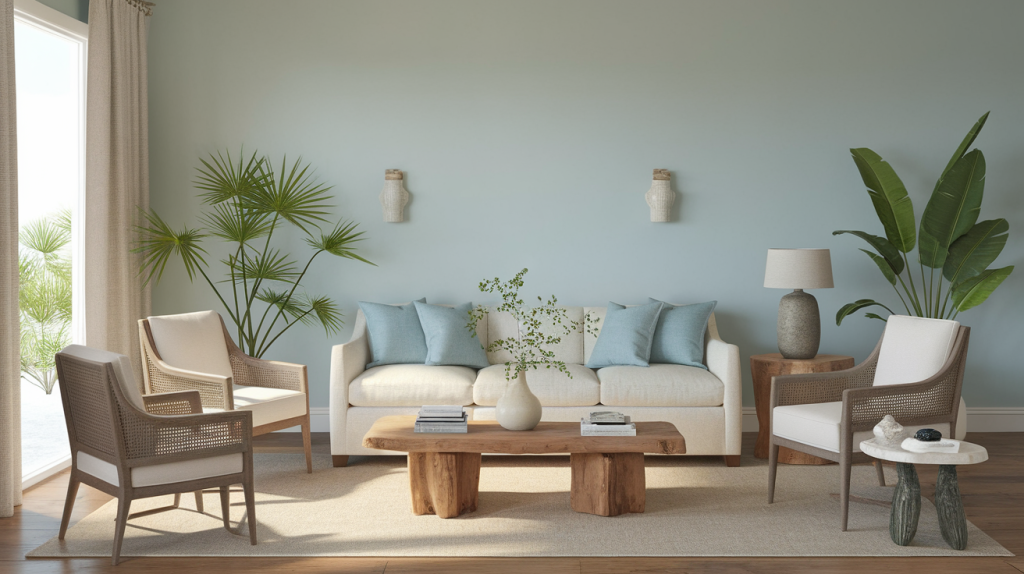
Natural light serves as the foundation of any successful coastal living room design. Without adequate brightness flooding your space, even the most carefully chosen furniture and decor will fall flat. The relationship between light and coastal style runs deeper than simple illumination – it’s about creating an atmosphere that mirrors the luminous quality of beachside living, where sunlight reflects off sand and water to create an almost ethereal glow throughout the day.
How to maximize window treatments
Your window treatments can make or break the light quality in your living room. Heavy drapes that block precious sunlight have no place in coastal design. Instead, opt for sheer curtains in white or soft neutral tones that filter light while maintaining privacy. Linen panels offer texture without weight, allowing sunlight to diffuse gently throughout the room.
Roman shades in natural materials like bamboo or light-colored fabric provide flexibility – raise them completely during the day for maximum brightness, then lower them for evening privacy. Consider installing your curtain rods closer to the ceiling and extending them beyond the window frame. This simple trick makes windows appear larger and allows more light to enter even when curtains are partially drawn.
For rooms with multiple windows, consistency matters. Using the same treatment style across all windows creates visual harmony and prevents any single window from becoming a dark spot. If privacy isn’t a concern, leaving some windows completely bare amplifies the connection between indoor and outdoor spaces.
Mirror placement strategies
Mirrors function as light multipliers in coastal living rooms, but their placement requires strategic thinking. Position a large mirror directly across from your biggest window to effectively double the natural light entering the room. This creates the illusion of an additional window while brightening previously dim corners.
Grouping smaller mirrors creates an artistic focal point while scattering light in multiple directions. Try arranging vintage mirrors with weathered frames for added coastal character. Avoid placing mirrors where they’ll reflect clutter or less attractive views – instead, angle them to capture sky, greenery, or pleasant architectural features.
Glass furniture choices
Incorporating glass furniture maintains visual flow while providing necessary function. A glass coffee table practically disappears, allowing light to travel unobstructed through your space. This transparency prevents the heavy, blocked feeling that solid furniture can create in smaller rooms.
Glass-topped side tables, console tables behind sofas, and even glass shelving units all contribute to an airier atmosphere. Mix glass pieces with natural wood or woven materials to prevent the space from feeling cold or too modern. The key lies in balance – too much glass can feel sterile, while the right amount creates sophisticated lightness.
Light-reflecting surfaces
Beyond mirrors and glass, numerous surfaces can amplify natural light throughout your living room. Glossy paint finishes on trim and built-ins reflect more light than matte alternatives. Metallic accents in brushed nickel, chrome, or brass catch and scatter sunbeams, adding sparkle without overwhelming the space.
Consider incorporating these light-enhancing elements:
Lacquered furniture: A glossy white media console or bookshelf bounces light while providing storage
Metallic picture frames: Silver or gold frames add subtle shine to wall displays
Crystal accessories: A few well-placed crystal pieces catch light beautifully without feeling formal
Polished stone: Marble coasters or a quartz-topped accent table reflect light naturally
White ceramic pieces: Glossy white vases and bowls brighten shelves and tabletops
Skylights and architectural features
If your budget allows for structural changes, skylights transform coastal living rooms by introducing light from above. This overhead illumination eliminates shadows and creates even brightness throughout the day. Tubular skylights work well in smaller spaces or where traditional skylights aren’t feasible.
Transom windows above doors or standard windows add architectural interest while increasing natural light without sacrificing wall space or privacy. French doors leading to outdoor spaces flood rooms with light while strengthening the indoor-outdoor connection essential to coastal style. Even interior modifications like removing upper cabinets or opening partial walls between rooms can dramatically increase light flow.
Adding clerestory windows high on walls brings in light while maintaining privacy at eye level. These architectural features particularly benefit north-facing rooms that receive less direct sunlight. When major renovations aren’t possible, consider simpler changes like replacing a solid front door with one featuring glass panels, or swapping solid interior doors for versions with frosted glass inserts.
What Colors Create That Breezy Coastal Atmosphere?
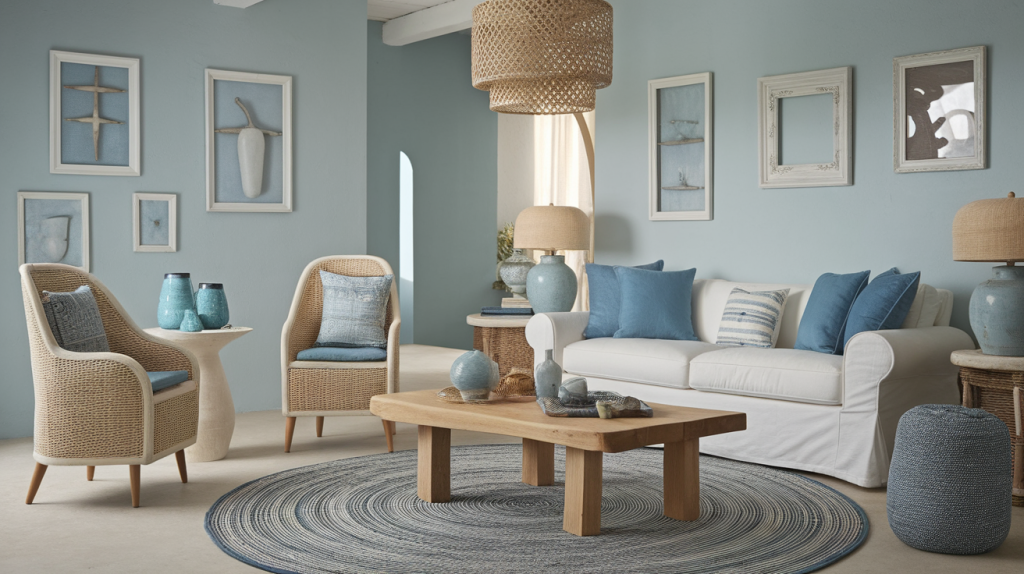
Color selection fundamentally shapes the mood and openness of your coastal living room. The right palette does more than simply look pretty – it psychologically transports you to a seaside setting while making spaces feel larger and more inviting. Moving beyond the obvious blues and whites reveals a sophisticated range of options that capture coastal essence without resorting to clichés.
Foundation neutrals that work
Starting with the right neutral base gives you flexibility to layer in personality through accessories and accent colors. Warm whites with undertones of cream or beige prevent the clinical feeling that pure white can create. Benjamin Moore’s White Dove or Sherwin Williams’ Alabaster offer that perfect balance of crispness and warmth that reads as coastal rather than stark.
Sandy beiges and soft grays provide alternatives to white while maintaining that light, airy quality. These colors work particularly well in rooms with less natural light, where pure white might appear dingy. Greige – that perfect marriage of gray and beige – offers contemporary sophistication while staying true to the coastal palette.
The walls aren’t your only consideration. Ceiling color impacts the entire room’s feeling. Painting ceilings the same color as walls, or just a shade lighter, creates seamless flow and makes rooms feel taller. Some designers recommend painting ceilings in the palest blue to mimic sky, though this technique works best in rooms with abundant natural light.
Ocean-inspired accent colors
While blue remains a coastal classic, the spectrum extends far beyond basic navy. Soft aquas reminiscent of shallow Caribbean waters bring energy without overwhelming. Deeper teals add drama and sophistication, particularly effective on a single accent wall or in upholstery choices. These blues pair beautifully with warm wood tones and natural textures.
Sea glass inspires another color family perfect for coastal spaces. Soft greens ranging from sage to seafoam introduce color while maintaining serenity. These hues work wonderfully in rooms that receive lots of natural light, where they appear to shift and change throughout the day.
Don’t overlook coral and shell-inspired pinks. These warmer tones prevent coastal rooms from feeling cold, especially important in northern climates. A coral throw pillow or blush-toned artwork adds unexpected warmth while staying true to the beach theme.
How to layer white and cream tones
Working with multiple shades of white and cream creates depth and prevents flat, boring spaces. This tonal layering technique, often called “white on white,” requires careful attention to undertones and textures. Start with your largest surface – usually walls – in one shade, then introduce variations through furniture, textiles, and accessories.
A cream-colored sofa against white walls creates subtle contrast. Add an ivory throw blanket and off-white pillows in varying textures to build visual interest. The slight variations in tone become more apparent in different lighting conditions, creating a dynamic space that changes throughout the day.
Pay attention to the undertones in your whites. Some lean yellow, others pink or gray. Mixing undertones can create discord, so test paint samples and fabric swatches together in your actual space before committing. Natural light in your room will affect how these subtle differences appear.
Unexpected color combinations
Modern coastal design welcomes surprising color pairings that move beyond traditional maritime themes. Blush pink with sage green creates a soft, romantic coastal feeling. Warm terracotta paired with dusty blue channels Mediterranean coastal style. These unexpected combinations keep spaces feeling fresh and personal rather than formulaic.
Black accents in small doses add sophistication and prevent coastal rooms from feeling too sweet. A black metal coffee table frame, picture frames, or light fixtures ground the space and provide visual weight. This contrast makes lighter colors appear even more luminous by comparison.
Consider incorporating colors inspired by beach finds beyond the obvious shells and sea. Driftwood grays, kelp greens, and the warm browns of beach grass expand your palette while maintaining authentic coastal connection. These earth tones add warmth and prevent the space from feeling too cool or impersonal.
Paint finishes that enhance light
The sheen level of your paint significantly impacts light reflection and room atmosphere. Flat or matte finishes absorb light, making colors appear richer but rooms darker. These work well on ceilings where you want to minimize imperfections, but use sparingly on walls in coastal spaces seeking maximum brightness.
Eggshell and satin finishes offer the perfect compromise for walls – enough sheen to reflect light without highlighting every imperfection. These finishes clean easily, important in high-traffic living rooms. The subtle glow they provide enhances the room’s luminosity without creating glare.
Semi-gloss and gloss finishes on trim, doors, and built-ins create elegant contrast while maximizing light reflection. White trim in high-gloss finish against walls in eggshell creates classic coastal sophistication. This technique draws the eye upward and outward, making rooms feel more spacious.
For adventurous decorators, consider specialty finishes. Venetian plaster or limewash walls add texture and depth while maintaining light colors. These finishes create subtle variation that prevents large wall expanses from feeling flat or boring. Pearl or metallic additives in paint create shimmer that catches light beautifully, though use these effects sparingly to avoid overwhelming the space.
How to Choose Furniture That Keeps Spaces Open
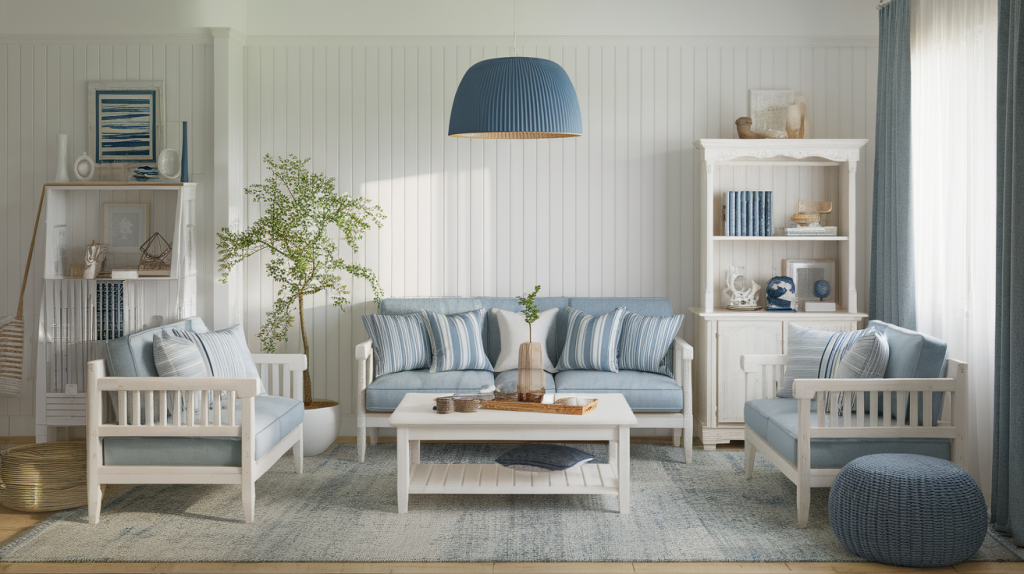
Furniture selection dramatically impacts whether your coastal living room feels spacious and breezy or cramped and cluttered. The pieces you choose and how you arrange them either support or sabotage your efforts to create that coveted open feeling. Smart furniture choices go beyond just picking smaller pieces – they involve understanding scale, flow, and visual weight to maintain airiness while providing necessary comfort and function.
Low-profile seating options
The height of your furniture affects perceived ceiling height and overall spaciousness. Low-slung sofas and chairs create longer sight lines, making rooms feel larger. Look for pieces where the back height stays below 30 inches. This lower profile prevents furniture from blocking views across the room or out windows.
Modern sectionals with slim profiles work wonderfully in coastal spaces. Their horizontal emphasis mirrors the horizon line of ocean views. Choose versions with exposed legs rather than skirted bases – seeing floor space beneath furniture tricks the eye into perceiving more room. Legs in light wood or slim metal maintain visual lightness.
Consider backless seating options for versatility. Ottomans that tuck under console tables, backless benches that slide under windows, and poufs that store in corners provide extra seating without permanent visual weight. These pieces pull out when needed for guests, then disappear to maintain openness during everyday living.
Floor cushions offer another low-profile seating solution perfect for casual coastal style. Large, firm cushions covered in durable outdoor fabric can stack in corners when not needed. They’re ideal for creating impromptu gathering spaces for game nights or children’s play areas without committing permanent floor space to furniture.
Multi-functional pieces for small spaces
Every piece in a coastal living room should earn its keep, especially in smaller spaces. Storage ottomans hide blankets and magazines while providing seating or foot rests. Nesting tables tuck away when not needed but expand for entertaining. These smart choices prevent clutter accumulation that destroys the clean lines essential to coastal style.
Console tables behind sofas serve multiple purposes – they provide surface space for lamps and decor, create subtle room division in open floor plans, and offer hidden storage in drawers or shelves. Choose versions with open bases rather than solid backs to maintain visual flow.
Built-in furniture maximizes space efficiency. Window seats with storage beneath, built-in shelving flanking fireplaces, and custom banquettes along walls provide function without eating into room space. While requiring larger initial investment, built-ins often cost less than purchasing multiple freestanding pieces while delivering superior space efficiency.
Expandable furniture adapts to changing needs. Dining tables with leaves, sofas that convert to beds, and modular seating systems that reconfigure for different occasions provide flexibility without requiring permanent space dedication. This adaptability proves especially valuable in coastal homes that accommodate varying numbers of guests throughout seasons.
Materials that feel light and airy
Material choice affects visual weight as much as actual size. Rattan and wicker furniture epitomizes coastal style while maintaining see-through qualities that preserve openness. These materials work for everything from coffee tables to dining chairs, bringing texture without heaviness.
Choose materials that naturally reflect light to enhance spaciousness:
Bleached or white-washed wood: Lighter than natural wood tones, perfect for tables and storage pieces
Acrylic furniture: Nearly invisible pieces that provide function without visual weight
Cane and mesh: Open weaves on chair backs and cabinet fronts maintain sight lines
Light-colored upholstery: Linen, cotton, and performance fabrics in whites and neutrals expand space visually
Metal frames: Slim iron or brass bases support furniture without bulk
Avoid heavy, dark wood furniture that anchors rooms with visual weight. If you own pieces you love but they feel too heavy for coastal style, consider painting or refinishing them in lighter tones. A dark wood dresser transformed with white or gray paint immediately feels more appropriate for breezy coastal spaces.
Arrangement tips for flow
Furniture placement matters as much as furniture choice in maintaining openness. Float furniture away from walls to create walking paths around room perimeters. This counterintuitively makes rooms feel larger by defining distinct zones while maintaining circulation space.
Create clear pathways between room entrances and main seating areas. These routes should span at least 30 inches wide – 36 inches feels even more generous. Diagonal furniture placement often opens up more floor space than parallel arrangements, particularly in rectangular rooms.
Avoid blocking windows with tall furniture pieces. Keep window walls clear or use only low-profile pieces that don’t obstruct light or views. If you must place furniture near windows, choose pieces with open backs or glass elements that preserve transparency.
Group furniture to create intimate conversation areas rather than lining pieces against walls. A sofa facing two chairs with a coffee table between creates a defined zone that actually makes the room feel larger by establishing clear purpose. Multiple small groupings work better than one massive furniture arrangement in larger rooms.
Scale and proportion guidelines
Understanding proper scale prevents both overcrowding and the sparse feeling that makes rooms feel cold rather than coastal. The coffee table should measure roughly two-thirds the sofa length – longer feels overwhelming while shorter looks insignificant. Leave 14 to 18 inches between coffee table and seating for comfortable leg room.
In rooms with high ceilings, don’t be afraid of taller furniture pieces. A tall bookshelf or mirror draws eyes upward, emphasizing vertical space. However, balance these with predominantly horizontal pieces to maintain that coastal horizon-line emphasis.
Consider the visual weight of patterns and colors when evaluating scale. A physically small chair upholstered in bold pattern carries more visual weight than a larger chair in solid neutral. Balance becomes about visual impact, not just physical dimensions.
Negative space – the empty areas around furniture – proves just as important as the pieces themselves. Resist filling every corner and wall. These breathing spaces prevent rooms from feeling stuffed and maintain the effortless quality central to coastal design. A room that’s 60-70% furnished with 30-40% open space typically achieves optimal balance between comfort and openness.
Which Natural Textures Bring the Beach Inside?
Texture transforms coastal living rooms from merely light and bright into spaces with depth, warmth, and authentic beachy character. The right textural elements engage multiple senses, creating rooms that invite touching and lingering. These natural materials connect your indoor space with outdoor coastal environments, building layers of interest without relying on obvious nautical themes or cluttering surfaces with shells and starfish.
Woven materials and where to use them
Jute, sisal, and seagrass bring instant coastal authenticity through their natural, sun-bleached appearance. A jute area rug anchors seating arrangements while adding warmth underfoot. These natural fiber rugs handle high traffic well and hide sand or dirt better than solid colors – practical benefits for beach-inspired living. Layer a smaller, softer rug on top for comfort without sacrificing the textural foundation.
Woven baskets serve both decorative and functional purposes throughout coastal living rooms. Large baskets beside sofas hold throw blankets and magazines. Smaller versions on shelves corral remote controls and small items that would otherwise create visual clutter. The varying weaves and natural color variations in basket collections add visual interest without requiring color coordination.
Rope details appear in unexpected places for subtle coastal reference. Rope-wrapped table legs, curtain tiebacks, or picture hanging systems add texture without screaming “nautical.” Macramé wall hangings have returned to fashion, providing artistic texture when done in natural fibers and simple patterns.
Wall treatments in grasscloth or woven wallpaper create textural backdrops that catch and play with light. These materials work particularly well on accent walls, adding dimension without overwhelming. The natural variations in these materials mean no two sections look identical, creating organic interest that manufactured materials can’t replicate.
Wood finishes that feel coastal
The type and treatment of wood throughout your living room significantly impacts its coastal character. Weathered, bleached, or white-washed woods immediately evoke driftwood and beach structures. Reclaimed wood with natural weathering brings authentic patina that new materials struggle to replicate.
Different wood types convey different coastal styles. Pine and cedar in natural or pickled finishes feel casual and cottage-like. Teak and other tropical hardwoods suggest upscale resort style. Painted wood furniture in soft whites, blues, or greens adds color while maintaining the casual feeling essential to coastal design.
Mix wood tones thoughtfully to avoid matching furniture suite stiffness. A driftwood coffee table, honey-toned rattan chairs, and white-painted bookshelf create dynamic interest. The key lies in keeping all tones light to medium – dark woods like mahogany or walnut generally feel too formal and heavy for breezy coastal style.
Live-edge wood pieces bring organic shapes that mirror the irregular beauty of beach finds. A live-edge console table or floating shelves add artistic element while maintaining natural connection. These pieces work best as single statement elements rather than multiple pieces that might overwhelm with their strong presence.
Fabric choices for that relaxed vibe
Linen reigns supreme in coastal fabric choices. Its natural wrinkles suggest casual elegance rather than requiring constant pressing. Linen slip-covered sofas invite lounging without worry about perfection. The fabric softens and improves with use, developing character over time that suits the lived-in quality of great coastal rooms.
Performance fabrics have revolutionized coastal decorating by providing worry-free options that handle spills, pets, and sandy feet. These materials now come in textures indistinguishable from natural fibers, offering practicality without sacrificing style. They’re particularly valuable for families who want beautiful spaces that accommodate real life.
Cotton canvas and duck cloth offer durability with casual appeal. These heavier cottons work well for upholstery, curtains, and pillow covers. Their substantial feel provides structure while maintaining breathability and comfort. Choose pre-washed versions to avoid shrinkage and achieve immediate softness.
Layer different fabric textures to build interest. Consider this combination for sophisticated texture mixing:
Base layer: Neutral linen sofa
Second layer: Cotton throw pillows in varying weights
Third layer: Chunky knit throw in natural wool
Accent layer: Small velvet pillow for unexpected luxury
Final touch: Lightweight gauze or muslin curtains
Mixing textures without overwhelming
The secret to successful texture mixing lies in maintaining color harmony while varying tactile elements. When textures share similar color families, even dramatic textural contrasts feel cohesive rather than chaotic. A rough jute rug, smooth leather ottoman, and nubby linen sofa unite through shared neutral tones.
Vary texture scale to create rhythm. Fine textures like smooth cotton next to medium weaves like basket storage beside chunky knits establish visual movement. This graduation prevents texture competition where multiple strong textures fight for attention.
Include some smooth surfaces to give eyes resting places. Glass table tops, polished stone accessories, or painted wood surfaces provide visual breaks between highly textured elements. These smooth areas prevent sensory overload while highlighting the textured pieces through contrast.
Temperature mixing adds sophistication – combine warm textures like wool and wood with cool elements like glass and metal. This balance prevents rooms from feeling too rustic or too contemporary, achieving that perfect coastal middle ground.
Seasonal texture swaps
Coastal living rooms benefit from seasonal texture adjustments that maintain freshness year-round. Summer calls for lighter textures – remove heavy throws, swap velvet pillows for lightweight linen, and roll up thick rugs to reveal cool floors. These changes instantly lighten the room’s feeling without requiring major redecoration.
Fall and winter invite cozier textures without abandoning coastal character. Add cable-knit throws in cream or soft gray. Layer a sheepskin over a chair for warmth and luxury. Swap lightweight curtains for heavier linen ones that provide insulation while maintaining style.
Small textural updates refresh rooms between major decorating changes. New pillow covers in different weaves, a textured lamp shade replacing a smooth one, or switching smooth picture frames for rope-wrapped versions provides newness without significant investment.
Keep off-season textures organized and accessible. Store summer’s lightweight throws and pillow covers in those same woven baskets that provide decoration. This approach makes seasonal swapping effortless while maintaining the organized calm essential to coastal style. Label storage containers to simplify the twice-yearly transition process.
What Decorative Elements Complete the Coastal Look?
The finishing touches you select either elevate your coastal living room into a sophisticated retreat or push it into beach souvenir shop territory. Thoughtful decorative choices support the open, airy feeling you’ve established through light, color, and furniture while adding personality that makes the space uniquely yours. These elements should feel collected over time rather than purchased as a matching set, creating authentic coastal character that transcends trendy beach themes.
Art that enhances spaciousness
Large-scale artwork makes rooms feel bigger by providing single focal points rather than cluttered gallery walls. Choose pieces with plenty of white or negative space – abstract ocean scenes, minimalist landscapes, or oversized botanical prints. These create impact without visual weight that smaller, busier pieces accumulate.
The placement height of artwork affects perceived ceiling height. Hanging pieces slightly higher than standard eye level draws gazes upward, emphasizing vertical space. In rooms with standard eight-foot ceilings, center artwork at 60 to 66 inches from floor rather than the typical 57 inches.
Mirrors disguised as art serve double duty. Sunburst mirrors, porthole-style rounds, or collections of small mirrors arranged artistically reflect light while providing decorative interest. Weathered frame finishes in white, gray, or natural wood maintain coastal feeling without literal beach imagery.
Photography printed on metal or acrylic adds contemporary coastal sophistication. The glossy surfaces reflect light while the frameless presentation maintains clean lines. Ocean photography, aerial beach shots, or abstract water images work particularly well in these modern formats.
Plants that thrive in bright spaces
Living plants breathe life into coastal rooms while purifying air and adding organic sculpture. The abundant natural light in well-designed coastal spaces supports varieties that might struggle elsewhere. Fiddle leaf figs create dramatic vertical elements that draw eyes upward. Their large, glossy leaves catch and reflect light beautifully.
Palms instantly suggest tropical coastal environments. Parlor palms, cat palms, and bamboo palms all tolerate indoor conditions while providing that resort feeling. Group different heights together for dynamic display, using simple white or natural planters that don’t compete for attention.
Succulents require minimal care while adding sculptural interest. Large agaves or aloes in simple containers make striking statements. Smaller succulent collections in driftwood planters or glass vessels create tabletop interest without cluttering. Their blue-green colors complement coastal palettes perfectly.
For rooms needing height without floor space sacrifice, consider hanging plants. Trailing pothos, string of pearls, or spider plants in macramé hangers add vertical interest. Position these near windows where their trailing forms won’t obstruct pathways but will catch beautiful light.
Nautical accents without overdoing it
Subtle marine references feel sophisticated while obvious nautical themes quickly become kitschy. Instead of anchor-printed everything, choose abstract interpretations of coastal elements. A rope-wrapped mirror, coral-inspired sculpture, or bowl filled with white coral pieces suggests the ocean without shouting it.
Incorporate functional nautical elements rather than pure decoration. A ship’s lantern repurposed as a table lamp, vintage oars mounted as curtain rods, or authentic fishing net holding lightweight throws serves purpose while adding character. These pieces feel discovered rather than decorated.
Maps and charts add sophisticated nautical reference. Frame vintage coastal charts of meaningful locations – perhaps where you vacation or dream of visiting. These provide personal connection while adding graphic interest. Layer them with other artwork rather than creating themed groupings.
Model sailboats work when displayed thoughtfully. A single, quality model on a bookshelf or mantel reads as collected treasure. Multiple boats scattered throughout risks theme park feeling. Choose models in bleached wood or all-white for subtlety.
Storage solutions that blend in
Maintaining the uncluttered calm of coastal style requires strategic storage that doesn’t announce itself. Built-in shelving painted to match walls provides display and storage without protruding into room space. Style shelves with careful editing – books arranged horizontally and vertically, occasional decorative objects, and plenty of breathing room.
Furniture with hidden storage maintains clean lines while corralling daily detritus. Storage ottomans, benches with lifting seats, and coffee tables with drawers hide items without requiring additional furniture pieces. Choose versions that match your design rather than obviously functional pieces that disrupt style.
Decorative containers serve double duty throughout the room:
Lidded baskets: Hide electronics and charging cords while adding texture
Ceramic jars: Store small items on shelves while providing sculptural interest
Wooden boxes: Stack on shelves for hidden storage with coastal character
Glass hurricanes: Contain collections of shells or stones while protecting from dust
Rope bins: Provide soft storage that complements coastal texture palette
Wall-mounted storage keeps floors clear for spacious feeling. Floating shelves, wall hooks hidden behind doors, and mounted magazine racks provide function without footprint. Paint these elements to match walls for near invisibility.
Personal touches that maintain openness
Your coastal living room should reflect your personality while maintaining its breezy character. Display collections thoughtfully – group similar items together rather than scattering throughout. A single shelf of beach glass, gathered shells, or vintage bottles creates impact without clutter.
Travel souvenirs from coastal destinations add authenticity. That piece of driftwood from your anniversary trip, framed beach photos from family vacations, or textiles purchased from seaside markets tell your story. These meaningful pieces resonate more than store-bought coastal decor.
Books contribute color and personality when arranged thoughtfully. Remove dust jackets from hardcovers to reveal neutral bindings. Arrange by color for subtle rainbow effect, or keep to whites and neutrals for cohesion. Horizontal stacks topped with small objects create vignettes without requiring bookends.
Family photos in coordinated frames maintain visual calm while personalizing space. Choose frames in one or two finishes – perhaps white wood and natural rope. Print photos in black and white or sepia for consistency. Gallery walls work when frames share common elements, preventing the chaotic feeling mismatched frames create.
Rotate decorative elements seasonally to prevent staleness. Store off-season items properly labeled for easy swapping. This approach keeps your coastal living room feeling fresh and intentional rather than accumulated. Regular editing prevents the creep of clutter that destroys carefully cultivated openness.
Bringing Coastal Serenity Home
Creating a coastal living room that feels genuinely fresh and open requires more than simply painting walls white and adding a few seashells. The strategies explored here work together synergistically – maximizing natural light amplifies your carefully chosen color palette, while thoughtful furniture arrangement showcases beautiful textures and materials. Each element supports the others in crafting a space that captures the essence of seaside living regardless of your actual proximity to the ocean.
The beauty of modern coastal design lies in its flexibility and sophistication. You’re not locked into predictable nautical themes or restricted to blue and white color schemes. Instead, you have the freedom to interpret coastal style through your personal lens, whether that means Mediterranean warmth, Scandinavian-inspired beach house minimalism, or tropical resort luxury. The key remains consistent: maintaining that sense of openness, light, and casual elegance that makes coastal living rooms so universally appealing. Your space should feel like a deep breath of fresh ocean air, offering daily respite from life’s complexity.
Frequently Asked Questions
Q: Can I create a coastal living room if I live in a landlocked area far from any ocean?
A: Absolutely! Coastal style is about capturing a feeling rather than literal proximity to water. Focus on maximizing natural light, choosing breezy colors and natural textures, and maintaining an uncluttered, open feeling. The principles work beautifully anywhere.
Q: What’s the biggest mistake people make when decorating coastal living rooms?
A: Over-theming with obvious nautical elements like anchors, ships wheels, and “beach” signs everywhere. Successful coastal design suggests the ocean through color, light, and texture rather than literal maritime decorations.
Q: How do I make my north-facing living room feel bright and coastal without much natural sunlight?
A: Layer your lighting with multiple sources, use mirrors strategically to amplify available light, stick to very pale colors on walls and large furniture pieces, and incorporate glass and metallic surfaces that reflect light. Consider warm white paint colors to counteract the cool northern light.
Q: Is coastal style too casual for a formal living room?
A: Coastal design easily elevates to match formal needs. Choose sophisticated furniture shapes, incorporate luxury materials like velvet or silk in coastal colors, add elegant lighting fixtures, and keep decorative elements minimal and refined.
Q: What flooring works best in coastal living rooms?
A: Light hardwoods, white-washed or bleached wood floors, and pale bamboo all work beautifully. If you have carpet you can’t change, layer with natural fiber rugs. Avoid dark floors that absorb light and feel heavy.
Q: How can I achieve coastal style on a tight budget?
A: Paint walls in light colors, rearrange furniture to maximize light and flow, add inexpensive sheer curtains, incorporate natural textures through affordable baskets and throws, and bring in plants. These simple changes create significant impact without major investment.
Q: Should all my furniture match in a coastal living room?
A: Definitely not! Coastal style feels best with collected, eclectic pieces rather than matching sets. Mix different wood tones (keeping them light), combine various natural materials, and vary furniture styles while maintaining overall color harmony.
Q: How do I prevent my coastal living room from looking cold or sterile?
A: Layer warm textures like chunky knits and soft linens, incorporate wood elements, add warm accent colors like coral or sand, use table and floor lamps for warm evening lighting, and include personal items that tell your story.