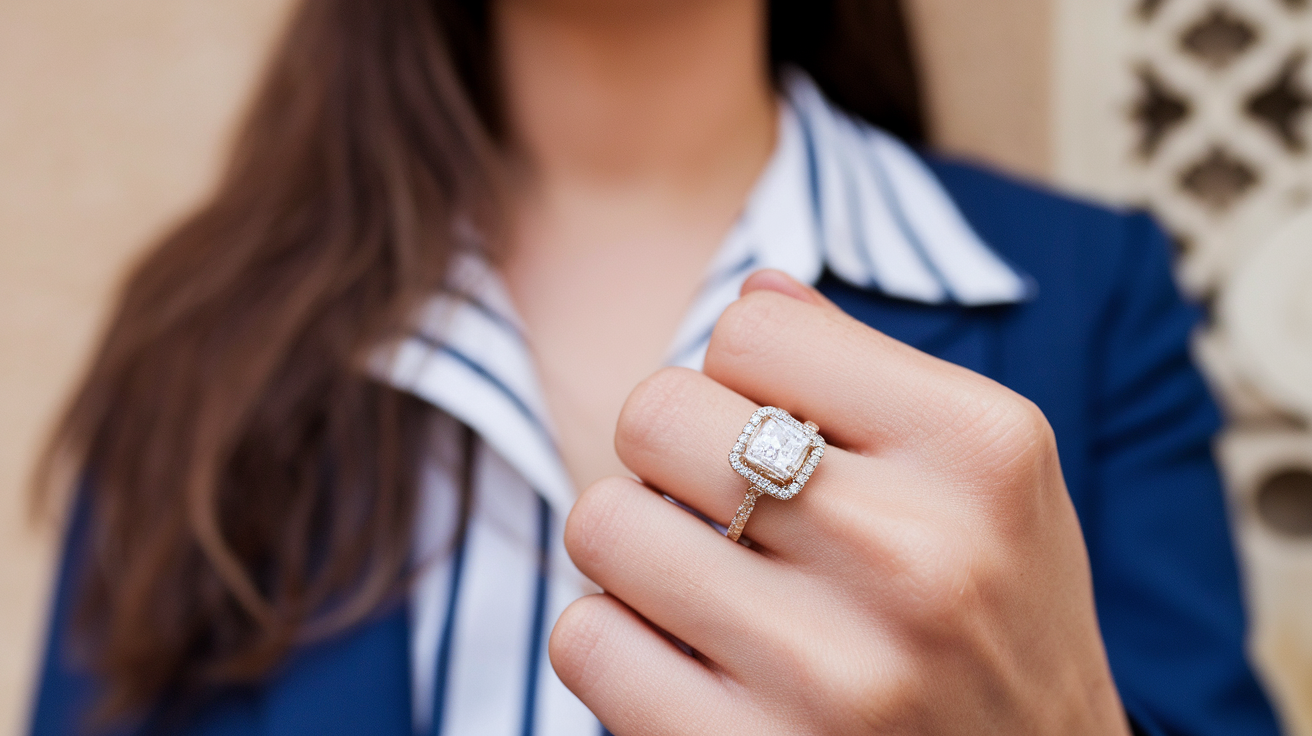
Finding an engagement ring that truly captures your personality goes beyond selecting the first sparkly diamond you see. Today’s jewelry landscape offers countless possibilities for those who want something different from the classic round solitaire. Whether you’re drawn to vintage glamour, natural elements, or bold colors, there’s a distinctive ring style waiting to tell your love story.
The search for a unique engagement ring often starts with understanding what makes you feel most like yourself. Some women gravitate toward delicate, romantic details, while others prefer bold geometric shapes or unexpected gemstone choices. Your lifestyle, personal aesthetic, and the jewelry you already love wearing all play important roles in finding a ring that feels authentically yours.
Ring shopping becomes more exciting when you know about the various styles available beyond traditional options. From Art Deco geometry to nature-inspired organic designs, from colorful center stones to mixed metal combinations, the possibilities for creating a ring that stands apart are endless. Let’s discover six engagement ring styles that break the mold and help you express your individual style.
What Defines a Truly Distinctive Engagement Ring?
The distinction between ordinary and extraordinary in engagement rings often comes down to unexpected details and thoughtful design choices. While traditional solitaires remain popular, more women are choosing rings that reflect their personal stories and individual tastes. A distinctive ring doesn’t necessarily mean the most expensive or largest stone – it means finding design elements that speak to your unique perspective.
Breaking Away from Traditional Solitaire Designs
Moving beyond the standard solitaire opens up a world of creative possibilities. Multi-stone settings, unusual prong configurations, and innovative band designs all contribute to rings that catch the eye differently. Some designs incorporate negative space, creating airy, architectural looks that feel modern and fresh. Others layer multiple bands or include stones set at varying heights for added dimension.
The way stones are arranged can completely transform a ring’s personality. Instead of a single center stone, consider designs with multiple smaller diamonds arranged in unexpected patterns. Bypass settings curve around the finger with stones that seem to float independently. Tension settings hold gems in place through precise metal engineering, creating the illusion of suspended stones.
The Role of Colored Gemstones and Alternative Materials
Colored gemstones instantly set a ring apart from the sea of white diamonds. Beyond the traditional precious gems, semi-precious stones like tourmaline, citrine, and moonstone offer beautiful alternatives at various price points. Each stone carries its own meaning and energy, allowing couples to choose gems that resonate with their relationship.
Alternative materials in band construction add another layer of uniqueness. While gold and platinum remain classics, rings incorporating wood inlays, meteorite fragments, or recycled materials tell a deeper story. Some jewelers now work with lab-grown diamonds and gems, offering ethical alternatives that don’t sacrifice beauty or durability.
How Setting Styles Change the Ring’s Entire Personality
The setting style dramatically impacts how a ring looks and feels on the hand. Bezel settings create sleek, modern profiles perfect for active lifestyles, while cathedral settings lift stones high for maximum light exposure. Flush settings embed stones directly into the band for subtle sparkle, ideal for those who prefer understated elegance.
Consider how different setting heights and styles interact with your daily activities. Low-profile settings work well for healthcare workers or anyone who wears gloves frequently. Higher settings create more dramatic shadows and light play but may catch on clothing. The right setting balances your aesthetic preferences with practical considerations.
Custom Elements That Make Rings One-of-a-Kind
Personal touches transform beautiful rings into meaningful heirlooms. Engraving inside the band adds secret messages only you and your partner know. Some couples incorporate family stones, perhaps diamonds from a grandmother’s ring reset into a new design. Others choose birthstones or gems from places significant to their relationship.
Hidden details make rings even more special:
Secret Stones: Small gems set inside the band, invisible when worn but meaningful to the wearer
Fingerprint Engraving: Actual fingerprint patterns etched into metal for ultimate personalization
Custom Galleries: Decorative metalwork beneath center stones featuring personal symbols or initials
Mixed Stone Accents: Combining different colored gems in unexpected places for subtle pops of color
Vintage-Inspired Art Deco Glamour
Art Deco engagement rings transport you to the glamorous 1920s and 1930s with their bold geometry and intricate details. This style suits women who appreciate architectural beauty and precision in design. The era’s influence continues to inspire modern jewelers who recreate these stunning pieces with contemporary techniques.
Geometric Patterns and Bold Symmetry
Art Deco rings feature striking geometric shapes that feel both vintage and surprisingly modern. Hexagons, octagons, and shield-shaped designs create distinctive silhouettes that stand apart from round rings. These shapes often incorporate step-cut diamonds like emerald or Asscher cuts, which complement the linear aesthetic perfectly.
The symmetry in Art Deco pieces creates a sense of balance and harmony. Matching side stones flank center gems in perfect proportion. Bands often feature repeating patterns of diamonds and colored gems arranged in precise sequences. This mathematical beauty appeals to those who find elegance in order and structure.
Angular designs don’t mean harsh or unwearable. Skilled jewelers soften geometric elements with curved details or graduated stone sizes. The contrast between sharp angles and gentle curves creates visual interest that keeps the eye moving across the ring’s surface.
Milgrain Detailing and Filigree Work
The tiny beaded edges known as milgrain add vintage charm to any ring design. This delicate detail catches light differently than smooth metal, creating subtle texture and depth. Running along stone settings or band edges, milgrain work requires skilled craftsmanship that sets quality pieces apart.
Filigree incorporates intricate metalwork patterns that look like delicate lace. These designs often feature scrolls, flowers, or abstract patterns created through careful metal manipulation. Modern laser-cutting technology allows jewelers to achieve even more detailed filigree than vintage craftsmen could produce by hand.
Popular Gemstone Combinations in Art Deco Designs
The Art Deco period loved contrast, particularly the combination of diamonds with deep blue sapphires or rich green emeralds. These color combinations remain striking today. Black onyx appeared frequently in original pieces, creating dramatic contrast against white metals and clear stones.
Modern interpretations might swap traditional stones for unexpected alternatives. Pink sapphires replace rubies for a softer look. Aquamarine offers Art Deco geometry with a contemporary color palette. The key lies in maintaining the era’s love of contrast and bold color choices.
Some designs incorporate graduated colors, moving from light to dark stones across the band. Others use calibré-cut colored gems – stones precisely cut to fit together without gaps – creating smooth ribbons of color alongside sparkling diamonds.
How Modern Jewelers Reinterpret Classic Art Deco Elements
Contemporary designers take inspiration from Art Deco while adding modern touches. They might use unusual colored diamonds or incorporate asymmetrical elements that wouldn’t have appeared in original pieces. Computer-aided design allows for precision that hand-crafting couldn’t achieve in the 1920s.
Metal choices have expanded too. While original Art Deco pieces typically used platinum or white gold, modern versions might feature rose gold for warmth or mixed metals for added dimension. These updates keep the style fresh while honoring its heritage.
Some jewelers create pieces that feel Art Deco-adjacent rather than strict recreations. They’ll take one element – perhaps the geometric shapes or the mixed stone types – and combine it with contemporary design elements. This approach appeals to those who want vintage influence without full vintage commitment.
Finding Authentic Vintage Versus New Vintage-Style Rings
Genuine Art Deco rings from the 1920s and 1930s carry historical significance along with their beauty. These pieces often feature old European or mine-cut diamonds with different faceting patterns than modern stones. The handcrafted nature means slight irregularities that add character.
New vintage-style rings offer the Art Deco aesthetic with modern conveniences. Contemporary pieces typically use conflict-free stones and metals, addressing ethical concerns some have about vintage jewelry’s unknown origins. Modern construction techniques also mean better durability and easier maintenance.
The choice between authentic and inspired depends on your priorities. Original pieces offer genuine history and often unique designs you won’t find elsewhere. New creations provide customization options and the security of warranties. Either choice delivers the geometric glamour that makes Art Deco rings so captivating.
Nature-Inspired Organic Beauty
Rings inspired by the natural world bring outdoor beauty to your everyday life. These designs appeal to women who find peace in gardens, forests, and flowing water. Organic styles range from literal interpretations of leaves and flowers to abstract representations of natural forms.
Leaf and Vine Motifs in Band Design
Delicate leaves wrapping around ring bands create an enchanted forest feeling. Some designs feature realistic leaf details with visible veins and textures, while others take a more stylized approach. Vine patterns wind organically around fingers, sometimes incorporating small diamonds or gems as dewdrops or berries.
The movement in these designs feels alive and dynamic. Unlike rigid, symmetrical patterns, organic motifs flow naturally with gentle curves and varying sizes. This creates rings that look different from every angle, revealing new details as you move your hand.
Metal texture plays a crucial role in botanical designs. Jewelers use various finishing techniques to create bark-like surfaces or smooth, polished leaves. Some combine different finishes within one piece, contrasting matte and shiny surfaces for added depth.
Floral Halos and Petal-Shaped Settings
Flower-inspired settings transform center stones into blooming beauties. Petal-shaped prongs hold gems while creating soft, romantic silhouettes. Some designs arrange smaller stones around centers like petals, while others use shaped metal to form flower forms.
Floral halos offer a feminine alternative to traditional round halos. Rose-inspired designs might feature layered “petals” of diamonds creating dimension. Daisy-like settings use elongated marquise stones as petals radiating from round centers. Lotus-inspired designs incorporate Eastern influence with stylized petal shapes.
The scale of floral elements varies widely. Delicate designs feature tiny flower accents along bands, while bold statements make the entire ring one large bloom. Finding the right scale depends on your personal style and how much attention you want your ring to draw.
Raw and Uncut Gemstones for Natural Beauty
Raw gemstones preserve nature’s original artistry without human intervention. These uncut stones showcase natural crystal formations, inclusions, and irregular shapes that make each piece completely unique. The rough texture contrasts beautifully with smooth metal settings.
Popular raw stone choices for engagement rings include:
Raw Diamonds: Showcase natural crystal structure with unique shapes and subtle sparkle
Rough Emeralds: Display natural green variations and crystal formations
Raw Sapphires: Feature natural color zoning and interesting surface textures
Uncut Morganite: Provide soft pink hues in organic crystal shapes
Rough Aquamarine: Offer pale blue beauty in natural hexagonal formations
Setting raw stones requires special techniques since each stone’s shape is unique. Jewelers often use custom-made bezels or prong settings designed specifically for individual stones. This ensures secure settings while highlighting each stone’s natural character.
Branch-Style Bands and Twig Settings
Twig and branch designs capture the delicate strength of nature’s architecture. These rings feature bands that look like slender branches, complete with natural-looking bark texture and small buds or leaves. The organic irregularity makes each ring feel like it was plucked from an enchanted forest.
Some twig bands split and rejoin, creating negative space that adds visual interest. Others incorporate small stones nestled into the design like drops of morning dew. The asymmetry inherent in branch designs means no two rings look exactly alike, even when following the same pattern.
Creating realistic twig textures requires skilled metalwork. Jewelers use various tools and techniques to achieve bark-like surfaces that catch light naturally. Some designs combine smooth and textured areas, perhaps keeping the inside of the band smooth for comfort while texturing the visible surfaces.
Incorporating Birthstones into Nature Themes
Adding birthstones to nature-inspired rings creates deeper personal meaning. A vine might wind around the band with small birthstone “berries” representing children or family members. Flower designs could feature birthstone centers surrounded by diamond petals.
Birthstones work particularly well in organic settings because nature itself offers such color variety. The irregular placement options in organic designs means you can incorporate multiple stones without creating overly symmetrical patterns. This allows couples to include stones representing both partners, future children, or other loved ones.
Consider how different birthstone colors interact with your chosen metal. Warm stones like citrine and garnet pair beautifully with yellow or rose gold branch designs. Cool stones like aquamarine and amethyst shine against white gold or platinum twigs. The natural irregularity of organic designs means you can mix stone colors more freely than in formal settings.
Bold Colored Gemstone Centers
Colored gemstone engagement rings make powerful statements about individuality and personal style. Moving away from traditional diamonds opens up a rainbow of possibilities, each color carrying its own symbolism and character. These rings instantly stand out and often cost less than comparable diamond rings.
Sapphires in Unexpected Colors Beyond Blue
While blue sapphires remain popular, the full sapphire color spectrum offers surprising variety. Padparadscha sapphires display rare peachy-pink hues that shift in different lights. Yellow sapphires range from pale lemon to deep golden tones. Green sapphires offer an alternative to emeralds with better durability.
Pink sapphires have gained particular popularity for their romantic color and excellent durability. These stones range from barely-there blush to vivid hot pink. Their hardness makes them suitable for daily wear, unlike some other pink stones that require more careful handling.
White sapphires provide the colorless sparkle of diamonds at lower prices. Though they don’t quite match diamonds’ brilliance, they offer an ethical, affordable alternative for those who want a traditional look. Some couples choose white sapphire side stones with colored centers for contrast.
Color-change sapphires shift hues depending on lighting, typically moving between blue and purple or pink and orange. These chameleon stones appeal to those who can’t choose just one color. The subtle shifts throughout the day keep the ring interesting and dynamic.
Montana sapphires deserve special mention for their unique colors. These American stones often display unusual blue-green or teal shades not found in sapphires from other locations. Their distinctive hues and domestic origin appeal to couples seeking something truly different.
The Rising Popularity of Morganite and Aquamarine
Morganite’s peachy-pink color brings warmth and romance to engagement rings. This beryl family member offers excellent clarity and size options, often allowing for larger center stones than diamonds at the same price point. The soft color complements all skin tones and pairs beautifully with rose gold settings.
Aquamarine provides cool blue elegance reminiscent of tropical waters. These stones typically show excellent clarity, allowing light to dance through them brilliantly. Larger aquamarines often display deeper, more saturated blues that make stunning statement pieces.
Both stones belong to the beryl family, sharing good durability for daily wear. They’re harder than many gemstones though not quite as tough as sapphires or diamonds. With proper care, both stones maintain their beauty through decades of wear.
The size availability of these stones allows for impressive center stones without diamond prices. A three-carat aquamarine or morganite costs significantly less than a comparable diamond while still creating substantial visual impact. This appeals to couples who want the “wow factor” of a large stone within reasonable budgets.
Emerald Rings and Their Distinctive Character
Emerald engagement rings carry an air of sophistication and old-world luxury. The deep green color symbolizes growth, renewal, and prosperity in many cultures. Unlike other colored stones that come in various hues, emeralds are always green, though the exact shade varies from bluish-green to pure green to slightly yellowish-green.
The typical inclusions in emeralds, called “jardin” (French for garden), create unique internal landscapes in each stone. Rather than flaws, these inclusions are considered part of emeralds’ character. They also help identify natural stones from synthetic alternatives.
Emerald cuts showcase these stones beautifully, though emeralds can be shaped into any style. The step-cut facets of emerald cuts complement the stone’s natural color depth while minimizing the appearance of inclusions. Round or oval cuts offer more brilliance if you prefer extra sparkle.
Setting emeralds requires extra care due to their relative softness and brittleness compared to diamonds. Protective settings like bezels or halos help shield stones from impacts. Many jewelers recommend removing emerald rings during activities that might expose them to hard knocks.
Combining Colored Stones with Diamond Accents
The interplay between colored centers and diamond accents creates stunning contrast and added sparkle. Diamond halos around colored stones intensify the center color while adding brilliant light reflection. This combination offers the best of both worlds – unique color with traditional diamond sparkle.
Side stone arrangements offer endless possibilities for mixing gems. Alternating colored stones with diamonds along the band creates rhythm and movement. Graduated sizes moving from small to large draw the eye toward the center. Some designs use colored stones as accents to diamond centers, reversing the typical arrangement.
Three-stone rings provide perfect opportunities for color mixing. A colored center flanked by diamond sides offers classic elegance with a twist. Alternatively, three different colored stones can represent past, present, and future with personal color choices.
Choosing the Right Metal to Complement Colored Gems
Metal choice dramatically affects how colored stones appear. Yellow gold warms up cool-toned stones and intensifies warm colors. Rose gold creates romantic combinations with pink and peach stones. White metals like platinum or white gold provide neutral backdrops that let stone colors shine without competition.
Some specific pairings work particularly well:
Blue Sapphires: Stunning in white gold or platinum for classic elegance, beautiful in yellow gold for vintage appeal
Emeralds: Traditional in yellow gold, modern in white gold, unexpected in rose gold
Morganite: Perfect in rose gold for monochromatic harmony, striking in white gold for contrast
Ruby: Dramatic in yellow gold, contemporary in white gold, romantic in rose gold
Aquamarine: Crisp in white metals, warmed by yellow gold, unique in rose gold
Consider your skin’s undertones when selecting metal and stone combinations. Cool undertones typically suit white metals and cool-colored stones, while warm undertones complement yellow gold and warm-colored gems. Those with neutral undertones can wear any combination successfully.
Mixed Metal Modern Statements
Mixed metal engagement rings offer the best of multiple worlds, combining different metal colors in one design. This style suits women who struggle to choose between metal colors or who want rings that coordinate with diverse jewelry collections. The contrast between metals creates visual interest and modern appeal.
Popular Metal Combination Choices
The most common mixed metal combination pairs white and yellow gold, offering classic contrast that never goes out of style. Rose gold and white gold combinations create soft, romantic looks with subtle color variation. Yellow and rose gold together produce warm, sunset-like effects.
Three-metal combinations incorporate white, yellow, and rose gold for maximum versatility. These tri-color designs often feature braided or woven bands showcasing all three metals equally. Some designs assign different metals to different ring elements – perhaps a white gold setting with a yellow gold band and rose gold accents.
Platinum and gold combinations provide both color contrast and different metal properties. Platinum’s density and durability make it ideal for settings holding valuable stones, while gold bands offer warmth and traditional appeal. This pairing combines practical benefits with aesthetic beauty.
How Mixed Metals Create Visual Interest
The interplay between different metal colors adds dimension to ring designs. Alternating metal colors in band patterns creates rhythm and movement. Some designs use different metals to highlight specific elements – perhaps white gold prongs to make diamonds appear whiter against yellow gold bands.
Textural differences between metals enhance visual contrast. Combining polished and matte finishes in different metals creates even more variation. Hammered yellow gold might pair with smooth white gold for textural and color contrast.
Mixed metals allow for creative negative space use. Cut-out designs revealing different colored metals beneath create layered looks. Some rings feature floating elements where one metal appears to hover over another, connected by hidden supports.
Balancing Warm and Cool Tones in Ring Design
Successful mixed metal designs achieve harmony between contrasting elements. Equal proportions of each metal create balanced looks, while emphasizing one metal over others produces more subtle effects. The key lies in intentional design rather than random mixing.
Consider how mixed metals interact with stone colors. Warm metals enhance warm-colored stones, while cool metals complement cool stones. Mixed metal settings allow you to incorporate both warm and cool colored stones successfully.
The placement of different metals affects overall balance. Keeping warm metals toward the band’s interior and cool metals outside creates gentle contrast. Alternating metals in regular patterns provides predictable rhythm, while asymmetrical placement feels more modern and artistic.
Maintenance Considerations for Different Metal Types
Different metals wear at different rates, potentially affecting ring appearance over time. Platinum develops a patina that some love while others prefer to polish away. Gold slowly wears down with use, eventually requiring replating for white gold or reshaping for yellow and rose varieties.
Cleaning mixed metal rings requires attention to each metal’s needs. While most metals tolerate standard jewelry cleaning solutions, some combinations might require gentler approaches. Professional cleaning ensures each metal receives appropriate treatment.
Rhodium plating on white gold needs periodic renewal, which might affect mixed metal designs differently than single-metal rings. Discuss maintenance expectations with your jeweler before purchasing to understand long-term care requirements.
Consider lifestyle factors affecting different metals. Platinum stands up best to heavy wear but shows scratches more readily than gold. Gold resists scratching better but gradually wears away. Understanding these differences helps you choose combinations that age gracefully with your lifestyle.
Matching Wedding Bands with Mixed Metal Engagement Rings
Finding wedding bands that complement mixed metal engagement rings presents unique opportunities. Matching the exact metal combination creates cohesive sets. Alternatively, choosing bands in one of the metals from the engagement ring provides coordinated but not identical looks.
Stacking becomes particularly interesting with mixed metals. Adding bands in different metals from the engagement ring expands the mixed metal theme. Some couples choose wedding bands that reverse the metal placement of engagement rings for balanced symmetry.
Consider how wedding bands will sit against engagement rings. Curved or contoured bands designed to fit flush against engagement rings might need custom creation for unusual mixed metal designs. Straight bands offer more flexibility but might not sit as closely.
His and hers wedding band options expand with mixed metal engagement rings. Partners might each choose bands emphasizing different metals from the engagement ring, creating coordinated but individual looks. This approach allows personal preference while maintaining visual connection.
East-West and Asymmetrical Settings
East-west and asymmetrical settings revolutionize traditional ring orientation, creating unexpected silhouettes that catch eyes and start conversations. These modern designs appeal to women who appreciate innovative design and want rings that feel fresh and contemporary.
What Defines an East-West Setting
East-west settings position elongated stones horizontally across the finger rather than vertically. This orientation completely changes how rings look on hands, creating wider, lower profiles that elongate fingers. The unexpected positioning makes even common stone shapes look completely new.
The horizontal orientation works particularly well with elongated cuts like oval, marquise, emerald, and pear shapes. These stones showcase their length across the finger, creating bold linear statements. Even traditionally round stones can incorporate east-west elements through their settings or accompanying stones.
Band attachment points require careful engineering in east-west settings. Some designs attach at the stone’s narrow ends, while others support from beneath with hidden structures. The engineering behind these settings often becomes part of the aesthetic appeal.
East-west settings typically sit lower on fingers than traditional vertical settings. This makes them practical choices for active lifestyles while still creating dramatic visual impact. The orientation also means stones catch light differently throughout the day.
Marquise and Oval Stones in Horizontal Orientations
Marquise cuts were practically made for east-west settings. Their dramatic pointed ends create striking horizontal lines across fingers. The boat-like shape appears larger when set horizontally, maximizing visual impact. Modern designers often pair horizontal marquise stones with delicate bands for contrast.
Oval stones in east-west settings offer softer alternatives to angular marquise cuts. The gentle curves feel organic and flowing while still providing the elongating effect. Horizontal ovals work particularly well in bezel settings that follow the stone’s curves.
These orientations affect how stones interact with wedding bands. The wider profile might require curved or open wedding bands to sit properly. Some couples choose gap bands specifically designed to accommodate east-west engagement rings.
Creating Balance with Asymmetrical Designs
Asymmetrical rings abandon traditional symmetry for artistic expression. These designs might feature stones offset to one side, clusters arranged irregularly, or bands that split and rejoin unpredictably. The key lies in achieving visual balance without mirror-image symmetry.
Weight distribution becomes crucial in asymmetrical designs. Jewelers must carefully calculate metal and stone placement to ensure rings sit comfortably without spinning. This technical challenge often results in innovative engineering solutions that enhance the design.
Asymmetry allows for storytelling through design. Different elements might represent different aspects of relationships or personal journeys. A cluster of stones growing larger toward one side could symbolize growth and development.
Some asymmetrical designs incorporate negative space as a design element. Open areas balance heavier stone clusters, creating airy feelings despite substantial designs. This approach works particularly well with modern, architectural aesthetics.
Cluster Rings with Intentional Irregularity
Cluster rings arrange multiple stones in seemingly random patterns that actually require careful planning. Unlike traditional clusters with symmetrical arrangements, these designs celebrate controlled chaos. Stones of varying sizes and heights create texture and dimension.
The organic feeling of irregular clusters appeals to those drawn to natural, unstructured beauty:
Scattered Stardust: Tiny diamonds spread across bands like stars in the night sky
Growing Gardens: Stones arranged like wildflower meadows with natural randomness
Constellation Patterns: Specific star patterns recreated in stone arrangements
Abstract Art: Non-representational patterns focusing on balance and movement
Geological Inspiration: Arrangements mimicking natural crystal formations
Setting irregular clusters requires individual attention to each stone. Every prong placement and stone height must be considered for both security and aesthetics. This handcrafted approach means no two rings are exactly identical.
How These Settings Suit Different Hand Shapes
East-west settings particularly flatter certain hand types. Long fingers can carry bold horizontal statements without overwhelming proportions. Shorter fingers benefit from the elongating effect of horizontal orientations. Wide bands might feel more comfortable than tall traditional settings for those with shorter fingers.
Asymmetrical designs offer customization possibilities for different hand shapes. Designs can be weighted toward the outer or inner edge of fingers depending on what’s most flattering. The flexibility in asymmetrical placement allows jewelers to create custom proportions for individual hands.
Cluster rings provide options for those who want substantial looks without single large stones. Spreading visual weight across multiple stones can feel more proportional on smaller hands than one large center stone. The irregular arrangement also draws attention to the overall design rather than hand size.
Consider how these unconventional settings interact with your daily activities. East-west settings often prove more practical than expected due to their lower profiles. Asymmetrical designs might require adjustment periods as you learn how they sit and move on your finger. The unique feeling becomes part of their charm.
Finding Your Perfect Unique Style
After discovering these six distinctive engagement ring styles, you might find yourself drawn to elements from multiple categories. The beauty of modern ring design lies in combining different influences to create something entirely your own. Perhaps you love the geometry of Art Deco but prefer colored stones to diamonds, or maybe organic bands appeal to you with asymmetrical stone settings.
The perfect ring for you balances personal style with practical considerations. Think about your lifestyle, career, and daily activities when selecting designs. Consider your existing jewelry collection and overall fashion sense. Your engagement ring should feel like a natural extension of who you are, not a departure from your authentic self. Most importantly, choose a design that makes you smile every time you look at your hand – after all, you’ll be wearing this symbol of love every day for years to come.
Frequently Asked Questions
Q: Do unique engagement rings hold their value as well as traditional diamonds?
A: Value retention depends more on quality and craftsmanship than style. Well-made rings with high-quality stones typically maintain value regardless of design. Unique vintage pieces often appreciate over time. However, highly personalized custom designs might have smaller resale markets than classic styles.
Q: Can I mix different unique styles in one ring design?
A: Absolutely! Many stunning rings combine elements from different styles. You might pair an Art Deco-inspired band with a nature-themed setting, or use mixed metals in an east-west design. The key is working with skilled jewelers who can blend different influences harmoniously.
Q: Are colored gemstone engagement rings durable enough for everyday wear?
A: Most colored gemstones suitable for engagement rings offer good durability. Sapphires and rubies are nearly as hard as diamonds. Emeralds and aquamarines require slightly more care but remain appropriate for daily wear with proper settings. Softer stones like opals or pearls need extra protection and careful handling.
Q: How do I know if an unusual ring style will still appeal to me in 20 years?
A: Choose designs that reflect your genuine personality rather than following trends. If you’ve always loved vintage fashion, an Art Deco ring will likely always resonate. Consider wearing costume jewelry in similar styles for several months to test your long-term interest.
Q: What if my partner prefers traditional styles but I want something unique?
A: Communication is key. Share examples of unique styles you love and explain what appeals to you. Often, couples find middle ground by choosing traditional stone shapes in unique settings, or classic designs with unexpected details like colored accent stones or mixed metals.
Q: Do unconventional ring styles require special maintenance?
A: Some unique styles need specific care. Raw stones might require gentler cleaning than faceted gems. Intricate vintage-inspired details need regular professional cleaning to prevent buildup. Mixed metals might wear differently over time. Discuss maintenance requirements with your jeweler before purchasing.
Q: How can I ensure my unique ring will coordinate with a wedding band?
A: Consider wedding band compatibility when selecting engagement rings. Some jewelers create engagement rings with matching wedding bands in mind. Custom curved bands can be designed to fit unusual engagement ring shapes. Alternatively, wear your wedding band on your right hand for complete design freedom.
Q: Are unique engagement rings typically more or less expensive than traditional styles?
A: Prices vary widely depending on materials and craftsmanship rather than style alone. Colored gemstones often cost less than diamonds of similar size. However, intricate custom work or rare vintage pieces might command premium prices. Mixed metal designs using standard metals might cost similarly to single-metal rings.