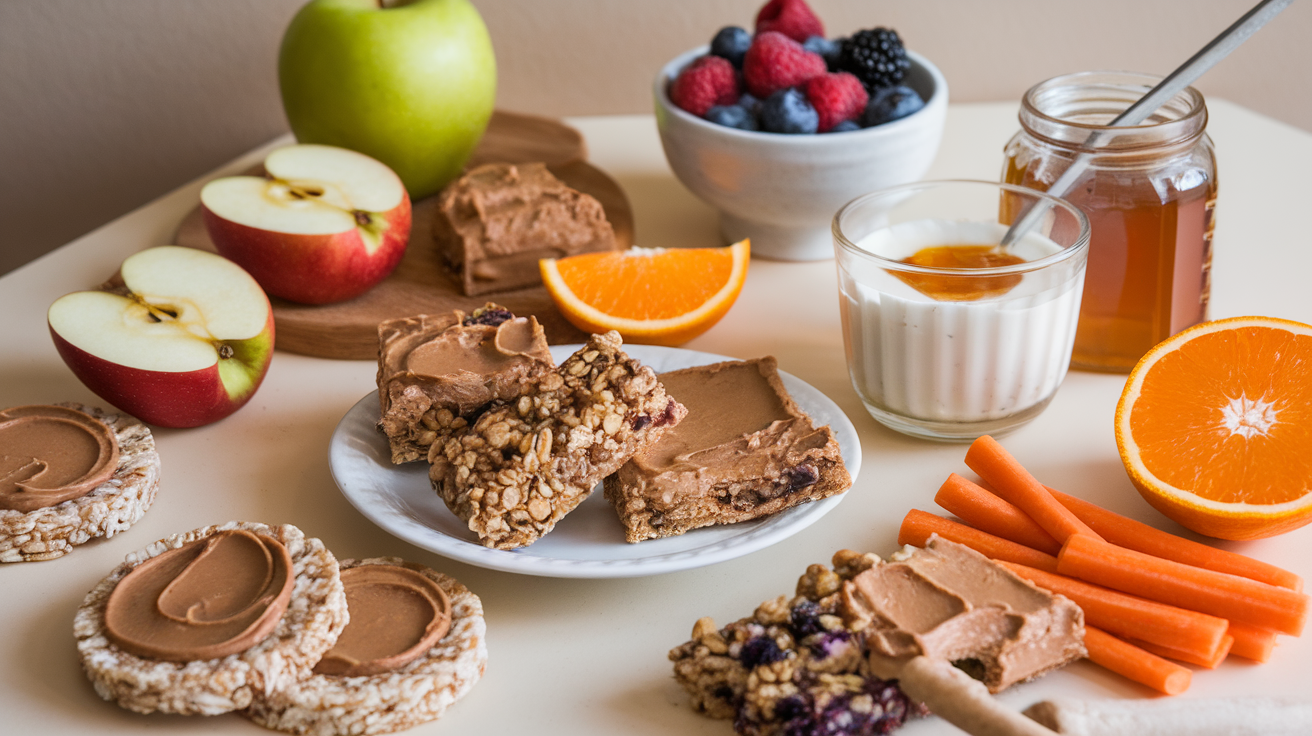
Getting nutritious food into picky eaters can feel like an impossible mission. You’ve probably experienced the frustration of preparing healthy snacks only to watch them go untouched while your child asks for the same three foods they always want. The struggle is real, and you’re definitely not alone in facing this daily challenge.
The good news is that finding healthy snacks your picky eater will actually enjoy isn’t about perfection or forcing foods they hate. It’s about discovering creative ways to present nutritious options that appeal to their specific preferences and gradually expanding their comfort zone. Many parents have successfully navigated this journey by focusing on small wins rather than complete dietary overhauls.
Throughout the following sections, we’ll share six proven healthy snack ideas that even the pickiest eaters tend to enjoy, along with practical strategies for making snack time less stressful and more successful. You’ll discover how to understand your child’s food preferences better, creative presentation techniques that make healthy foods more appealing, and simple tips for introducing new snacks without battles. Let’s transform snack time from a source of stress into an opportunity for nutrition and enjoyment.
Why Healthy Snacks Matter for Picky Eaters
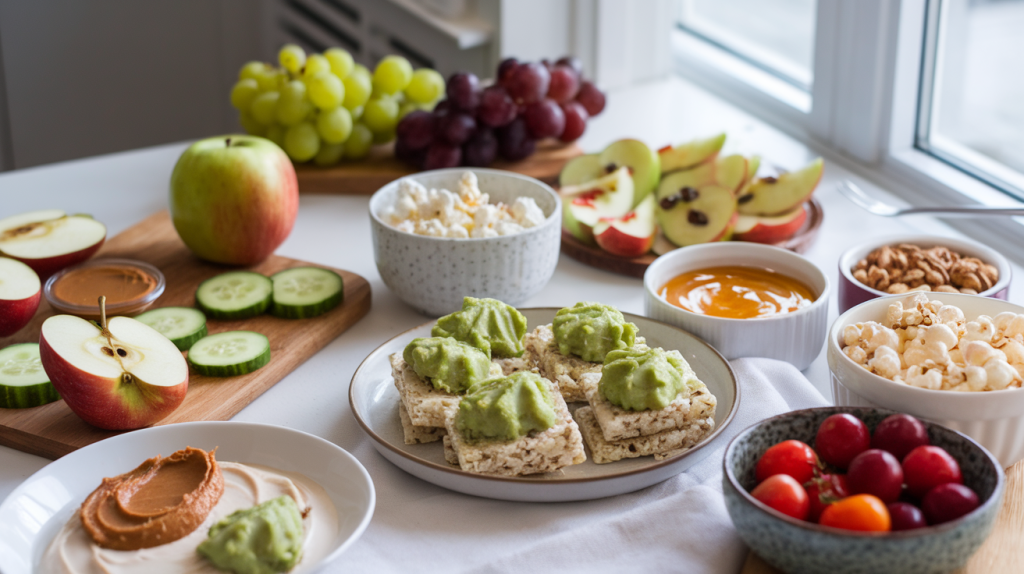
Many parents worry their selective eaters aren’t getting enough nutrients from meals alone, and this concern is often valid. Children who limit themselves to a narrow range of foods may miss out on essential vitamins, minerals, and other nutrients crucial for their development. Strategic snacking can help fill these nutritional gaps without the pressure of formal mealtimes.
Nutritional Gaps in Picky Eaters
The typical picky eater’s diet often lacks variety in fruits, vegetables, and proteins. They might stick to beige foods like bread, crackers, and chicken nuggets while avoiding anything green or unfamiliar. This limited palette can lead to deficiencies in iron, zinc, vitamin D, and fiber. Well-planned snacks offer additional opportunities throughout the day to incorporate these missing nutrients in forms your child might actually accept.
Research shows that children need multiple exposures to new foods before accepting them – sometimes up to 15 or more attempts. Snack time provides these low-pressure exposure opportunities without the formality of dinner. A child might refuse broccoli at dinner but happily munch on crispy roasted broccoli “trees” during afternoon snack time.
Building Positive Food Relationships
The way children interact with food during their early years shapes their eating habits for life. Forcing foods or creating negative associations around eating can lead to long-term food aversions and unhealthy relationships with nutrition.
Healthy snacking helps create positive food experiences in several ways. First, snacks are typically more casual and fun than formal meals, reducing pressure and anxiety around eating. Second, children often have more control during snack time – they might choose between two healthy options or help prepare their own snack. This autonomy helps them feel empowered rather than controlled.
Additionally, snacks can serve as bridge foods. A child who loves crunchy textures might start with familiar crackers, then try crunchy apple slices, and eventually accept raw carrots. Each positive experience builds confidence and willingness to try new things.
Energy and Mood Benefits
Young children have small stomachs but high energy needs. Going too long between meals can lead to blood sugar drops that trigger meltdowns, difficulty concentrating, and increased resistance to trying new foods. Regular healthy snacks help maintain stable blood sugar levels throughout the day.
Parents often notice dramatic improvements in their child’s behavior and willingness to cooperate when hunger isn’t a factor. A well-timed snack can prevent the dreaded “hangry” episodes that make everything harder, including encouraging adventurous eating. Protein-rich snacks paired with complex carbohydrates provide sustained energy that keeps kids feeling satisfied and emotionally regulated.
Growth and Development Support
Children’s bodies and brains are constantly developing, requiring steady supplies of nutrients throughout the day. Their rapid growth means they need more calories per pound of body weight than adults do. For selective eaters who might not eat substantial meals, snacks become even more critical for meeting these developmental needs.
Calcium for bone development, omega-3 fatty acids for brain function, and protein for muscle growth are just some of the nutrients that can be strategically incorporated into snacks. A child who refuses milk at meals might enjoy frozen yogurt tubes as a snack, still getting that essential calcium. These nutrient-dense snacks support physical growth, cognitive development, and immune function.
Creating Food Familiarity
Repeated exposure to foods in different contexts helps normalize them in a child’s mind. A food rejected at dinner might become acceptable as a snack, especially when presented differently or paired with preferred foods.
The snack environment often feels safer for food exploration. There’s less formality, fewer people watching, and usually more flexibility in how foods are eaten. A child might play with their food more during snack time, which is actually beneficial for food acceptance. Touching, smelling, and examining foods are all steps toward eventually tasting them.
Some children need to see foods multiple times before they’re willing to try them. Having healthy options visible during snack preparation, even if they’re not chosen that day, contributes to this familiarity-building process. Over time, the “scary” vegetable becomes just another normal part of the kitchen landscape.
Understanding Your Picky Eater’s Preferences
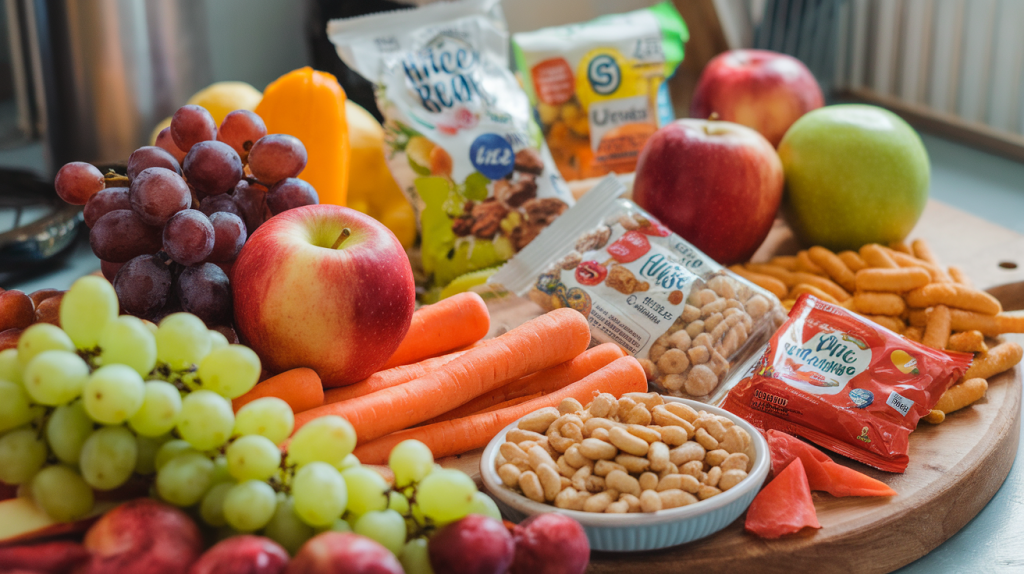
Every selective eater has unique preferences that go far beyond simple taste. Recognizing and working with these preferences, rather than against them, opens doors to successfully introducing healthier options. Once you decode what appeals to your child, you can strategically choose and present snacks they’re more likely to accept.
Texture Preferences and Aversions
Texture often matters more than flavor for picky eaters. Some children gravitate toward crunchy foods exclusively, while others prefer smooth, creamy textures. Many selective eaters struggle with mixed textures – like yogurt with fruit chunks – finding them unpredictable or overwhelming.
Pay attention to the textures your child consistently chooses. Do they love crispy crackers but refuse soft bread? This preference for crunch can guide you toward healthier alternatives like baked vegetable chips, apple slices, or roasted chickpeas. Similarly, a child who prefers smooth textures might enjoy hummus, nut butters, or pureed fruit pouches.
Temperature also plays into texture preferences. Some kids dislike cold foods because they make textures feel different. Others might refuse anything warm. Working with these preferences means serving carrot sticks at room temperature if that’s preferred, or keeping fruit in the fridge if cold foods are favored.
Consider how preparation methods change texture too. The same vegetable can be crispy when raw, soft when steamed, or crunchy when roasted. Experimenting with different cooking methods might reveal an acceptable version of a previously rejected food.
Color and Presentation Impact
Visual appeal significantly influences whether children will try new foods. Many picky eaters have strong reactions to how food looks, sometimes refusing items based solely on appearance before ever tasting them.
Some children prefer foods separated and clearly defined on their plate – nothing touching, no sauces mixing together. Others might only eat foods of certain colors, often gravitating toward beige and white items while avoiding anything green. Understanding these visual preferences helps you present healthy snacks more appealingly.
Temperature Preferences
Beyond texture considerations, temperature preferences can make or break food acceptance. Notice whether your child consistently chooses room temperature, cold, or warm foods.
Some children find cold foods more appealing because they’re refreshing and often have cleaner, simpler flavors. Frozen grapes, chilled cucumber slices, or frozen yogurt bites might appeal to these kids. Others prefer the comfort of warm foods and might accept vegetables better when they’re roasted and served warm rather than raw and cold.
You can use temperature preferences strategically. A child who loves frozen things might enjoy homemade fruit popsicles packed with hidden vegetables. Someone who prefers warm foods might accept whole grain muffins with grated carrots or zucchini baked inside.
Flavor Profiles That Work
While picky eaters are often characterized as preferring bland foods, many actually have strong flavor preferences – they’re just very specific about them. Some love salty snacks, others crave sweet, and some prefer extremely mild flavors.
Understanding your child’s flavor preferences helps you choose healthy snacks they’ll actually eat. Below are common flavor profiles and healthy snack ideas for each:
Sweet Lovers: Fresh fruits, homemade fruit leather, sweet potato fries, cinnamon-spiced apple slices
Salty Cravers: Lightly salted edamame, whole grain pretzels with nut butter, cheese cubes
Mild Preferences: Plain rice cakes, simple smoothies, basic whole grain crackers
Surprising Favorites: Some picky eaters actually enjoy sour (try citrus fruits) or umami flavors (try parmesan crisps)
Remember that flavor preferences can expand gradually. Starting with familiar flavors and slowly introducing variations helps build acceptance. A child who loves strawberries might eventually try raspberries, then blueberries, expanding their fruit repertoire over time.
The Role of Involvement
Children are more likely to eat foods they’ve helped select or prepare. This involvement gives them a sense of control and investment in the snack, making them more willing to try it.
Age-appropriate involvement might include choosing between two healthy options at the store, washing fruits and vegetables, arranging items on a plate, or mixing ingredients together. Even very young children can participate in simple tasks like putting berries in a bowl or spreading nut butter on crackers with a plastic knife.
The preparation process also provides non-threatening exposure to new foods. A child might not eat the bell peppers they helped wash and cut, but they’ve still seen, touched, and smelled them – all important steps toward eventual acceptance. This hands-on experience makes foods less foreign and more familiar, even if tasting doesn’t happen immediately.
Some children enjoy the ritual and predictability of preparing their own snacks. Creating a designated snack station with pre-approved healthy options they can access independently (with supervision as needed) gives them autonomy while ensuring nutritious choices.
The 6 Best Kid-Approved Healthy Snacks
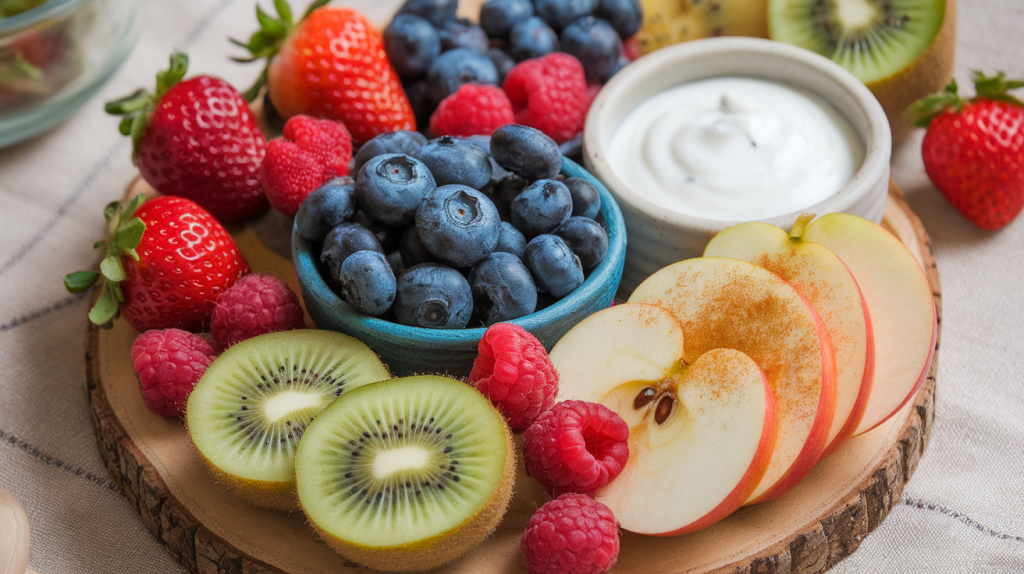
After working with countless families and picky eaters, certain healthy snacks consistently win approval even from the most selective children. These options succeed because they offer familiar elements while sneaking in nutrition, provide interactive experiences, or simply taste good enough to overcome initial resistance.
Fruit and Yogurt Parfaits
Layered parfaits appeal to children visually while delivering protein, calcium, and vitamins. The key lies in letting kids build their own creations, choosing from various healthy toppings you’ve pre-selected.
Start with vanilla or plain Greek yogurt as your base – it has more protein than regular yogurt. If plain yogurt gets rejected, try mixing in a small amount of honey or maple syrup initially, gradually reducing the sweetener over time. Some children prefer yogurt tubes frozen into popsicles, which changes the texture completely while maintaining nutritional benefits.
For fruits, offer options based on your child’s preferences. Berries work well because they’re naturally sweet and fun to layer. Sliced bananas, diced peaches, or even unsweetened applesauce can work as fruit layers. The layering aspect makes this snack feel special and dessert-like without being unhealthy.
Add a crunchy element for texture variety – granola, crushed whole grain cereal, or even graham cracker crumbs in small amounts. This crunch factor often sells the entire snack to texture-sensitive kids. Using clear containers lets children see the pretty layers they’ve created, adding to the appeal.
Veggie Chips with Hidden Nutrition
Many picky eaters love chips and crackers, making veggie chips an excellent gateway to vegetable consumption. You can make these at home with surprising ease, controlling ingredients and customizing flavors to your child’s preferences.
Sweet potato chips satisfy kids who crave sweet and salty combinations. Slice sweet potatoes thinly, toss with a tiny bit of olive oil, and bake until crispy. Beet chips turn brilliantly purple when baked, appealing to children who enjoy colorful foods. Zucchini chips become remarkably crispy when prepared correctly and taste surprisingly neutral.
Kale chips might sound impossible for picky eaters, but many children love their crispy, salty nature. The trick is removing all stems, using just enough oil to coat lightly, and seasoning simply with salt. They become so crispy and light that the vegetable aspect becomes secondary to the satisfying crunch.
Store-bought options work too if homemade isn’t feasible. Look for brands with simple ingredients – just vegetables, oil, and salt. Many grocery stores now carry butternut squash chips, green bean chips, and mixed vegetable chips that provide variety and nutrition.
Protein-Packed Energy Balls
No-bake energy balls combine protein, healthy fats, and complex carbohydrates into bite-sized snacks that feel like treats. Most recipes require just mixing ingredients and rolling into balls – simple enough for kids to help make.
The base typically includes nut or seed butter (depending on allergies), oats, and a binding agent like honey or dates. From there, you can customize based on preferences. Chocolate chips make them feel indulgent, while ground flax or chia seeds add omega-3s without affecting taste significantly.
Popular combinations include peanut butter chocolate chip, almond butter coconut, or sunflower seed butter with mini raisins. The dough-like texture appeals to many children, and the small, portable size makes them perfect for snacking. You can roll them in coconut, cocoa powder, or crushed cereal for extra appeal.
These store well in the refrigerator for a week, making batch preparation convenient. Having them ready prevents resorting to less healthy options when hunger strikes suddenly.
Smoothie Popsicles
Transforming smoothies into popsicles solves multiple challenges – many kids resist drinking smoothies but love popsicles, and the frozen format makes vegetables completely undetectable.
Basic combinations that work include:
Tropical Mix: Mango, pineapple, coconut milk, and spinach (invisible when blended)
Berry Blast: Mixed berries, banana, yogurt, and cauliflower (surprisingly neutral in flavor)
Chocolate Dream: Banana, cocoa powder, milk of choice, and avocado (creates creaminess)
Orange Cream: Orange juice, vanilla yogurt, carrots, and banana
The freezing process mellows strong flavors, making vegetables even less noticeable. Popsicle molds come in fun shapes that add to the appeal – rocket ships, animals, or traditional popsicle shapes all work. Some molds even have handles designed for small hands.
You can create layers for visual interest by freezing different smoothie mixtures in stages. This technique also lets you concentrate vegetables in one layer while keeping another layer as pure fruit to maintain sweetness and appeal.
Cheese and Whole Grain Combos
Cheese provides protein and calcium while being widely accepted by picky eaters. Pairing it with whole grains creates balanced snacks that sustain energy better than cheese alone.
String cheese remains popular because it’s fun to eat and portion-controlled. Pair it with whole grain crackers that have simple flavors – many kids prefer plain varieties over heavily seasoned options. Mini cheese cubes threaded onto pretzel sticks create an interactive snack that feels special.
Quesadillas made with whole wheat tortillas and cheese can hide small amounts of pureed vegetables or beans. Cut them into triangles or use cookie cutters for fun shapes. Many children who refuse sandwiches will eat quesadillas because the crispy exterior and melted cheese create appealing textures.
Homemade cheese crackers using whole wheat flour, real cheese, and simple seasonings often get accepted better than store-bought versions. The process of cutting them into shapes and watching them bake can increase interest and acceptance.
DIY Trail Mix Stations
Creating personalized trail mix gives children control while ensuring healthy options. Set up a “mix station” with various containers of approved ingredients, letting kids create their own combinations.
Include a variety of options like whole grain cereal, dried fruits (without added sugar), nuts or seeds (if age-appropriate), popcorn, mini pretzels, and a small amount of chocolate chips or yogurt-covered raisins for sweetness. Using small scoops or spoons for each ingredient helps with portion control while maintaining the fun factor.
This approach works particularly well for children who don’t like foods mixed together, as they can keep ingredients separate if preferred. Over time, they might become more adventurous with combinations. The activity itself becomes part of the snack experience, making it more engaging than simply eating pre-mixed trail mix.
Label each container with fun names if it helps – “power peanuts,” “super seeds,” or “energy raisins” can make healthy ingredients sound more exciting. Storing individual portions in small bags or containers makes grab-and-go snacking convenient while preventing overconsumption.
Making Snack Time Fun and Engaging
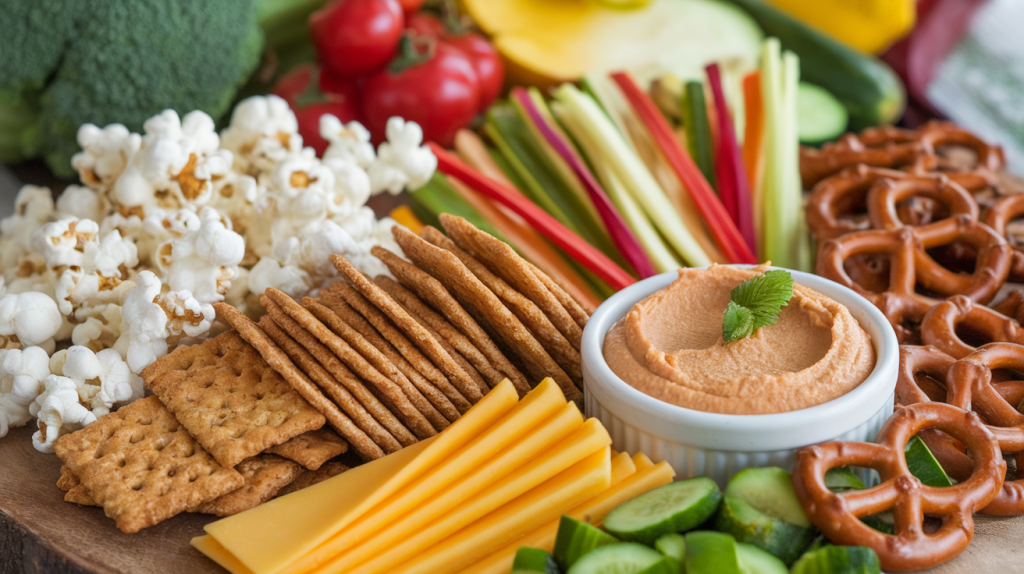
Transforming snack time from a battleground into an enjoyable experience requires creativity and patience. The goal isn’t just getting food into your child, but creating positive associations with healthy eating that will benefit them throughout life. Small changes in how you present and approach snacks can yield significant results.
Children eat with their eyes first, and fun presentation can make the difference between rejection and acceptance. Cookie cutters aren’t just for cookies – use them to shape sandwiches, cheese slices, or even thick slices of fruits and vegetables. Star-shaped cucumber slices or heart-shaped melon pieces suddenly become special rather than ordinary.
Creative Presentation Techniques
The way food looks on a plate matters enormously to young children. Arranging vegetables into rainbow patterns, creating faces with different foods, or building edible sculptures can transform previously rejected items into exciting adventures.
Bento box-style presentations work particularly well. Small compartments naturally separate foods (important for many picky eaters) while making portions appear more manageable. Each section can contain a different color or texture, creating visual interest without overwhelming. Silicon muffin cups work as dividers in regular containers if you don’t have actual bento boxes.
Skewers and toothpicks make ordinary foods more interesting. Thread grapes and cheese cubes onto colorful picks, or create fruit kabobs with various colored fruits. The act of eating food off a stick feels special and fun. Just ensure picks are age-appropriate and children are supervised to prevent choking hazards.
Interactive Snack Preparation
Getting kids involved in snack preparation increases their investment in eating what they’ve created. Even toddlers can participate in age-appropriate ways.
Set up “snack art” activities where children create pictures using healthy foods. Provide a variety of colorful options – sliced vegetables, fruits, whole grain crackers, and let them design their own edible masterpiece. They might create a butterfly from apple slices and carrot sticks or build a house from crackers and cheese. The creative process exposes them to foods in a non-threatening way.
“Build-your-own” snack stations work wonderfully. Whether it’s assembling their own ants on a log (celery with nut butter and raisins), creating personal pizzas on whole grain English muffins, or designing fruit faces on rice cakes, the control and creativity involved increase willingness to eat.
Measuring, pouring, and mixing give children important motor skill practice while preparing snacks. They can measure ingredients for trail mix, pour smoothie ingredients into the blender (with supervision), or mix ingredients for energy balls. This hands-on involvement creates pride in the final product.
Using Fun Containers and Tools
Special plates, bowls, and utensils designated just for snack time can create excitement and routine around healthy eating. Character plates, colorful silicon bowls, or plates with divided sections all add appeal. Some children respond well to having their own special snack container they can decorate with stickers.
Consider these tools and containers that make snacking more engaging:
Fun Shaped Ice Cube Trays: Freeze yogurt, smoothies, or pureed fruits in dinosaur or star shapes
Colorful Silicon Cups: Perfect for holding dips or small portions
Character Bento Picks: Make any food more interesting
Special Snack Scissors: Child-safe scissors for cutting soft fruits or vegetables
Squeeze Bottles: For creating designs with yogurt or homemade fruit purees
Reusable pouches that children can fill themselves with smoothies or yogurt appeal to kids who like packaged snacks. They get the satisfaction of a “special” container while you control the contents. Many come in bright colors and patterns that add to their appeal.
Snack Time Games and Activities
Incorporating games into snack time reduces pressure and creates positive associations. Simple activities can transform reluctant eaters into willing participants.
“Taste tests” frame trying new foods as an experiment rather than a requirement. Provide small samples of different fruits, vegetables, or healthy snacks and have children rate them using stickers, drawing faces, or giving thumbs up/down. This approach removes the pressure to finish anything while encouraging exploration.
Create snack-related challenges appropriate for your child’s age. Can they eat their snack using chopsticks? Can they guess ingredients in a smoothie while blindfolded? Can they arrange their vegetables in alphabetical order before eating? These games shift focus from the eating itself to the fun activity.
“Snack geography” involves trying snacks from different cultures or regions. Mark a map showing where different fruits come from, or explore what children in other countries eat for snacks. This educational component makes trying new foods feel like an adventure rather than a chore.
Story time snacks connect food with favorite books. Read about a character eating carrots, then offer carrots as a snack. Many children’s books feature food, providing natural opportunities to introduce new items in a familiar context.
Building Positive Associations
Creating pleasant memories around healthy snacking helps overcome resistance and builds long-term healthy habits. Focus on the experience as much as the food itself.
Establish special snack rituals that your child anticipates. Perhaps Tuesday is always smoothie day, or Friday afternoon means making energy balls together. Predictable patterns create comfort and reduce anxiety around food. Within these rituals, you can gradually introduce variations – new smoothie flavors or different energy ball ingredients.
Outdoor snacking can change the entire dynamic. Pack healthy snacks for a park picnic, eat apple slices while on a nature walk, or have “garden snacks” if you grow any vegetables. The change of scenery often reduces pickiness and increases adventurous eating.
Celebrate small victories without making them feel like huge deals. A simple “I noticed you tried the pepper today” acknowledges progress without pressure. Avoid phrases like “good job eating your vegetables” which can inadvertently create pressure or suggest that eating healthy foods is an unpleasant task requiring praise.
Never use dessert or preferred foods as rewards for eating healthy snacks. This creates a hierarchy where healthy foods are positioned as less desirable obstacles to overcome. Instead, treat all foods neutrally, as different options with different purposes.
Tips for Introducing New Healthy Snacks
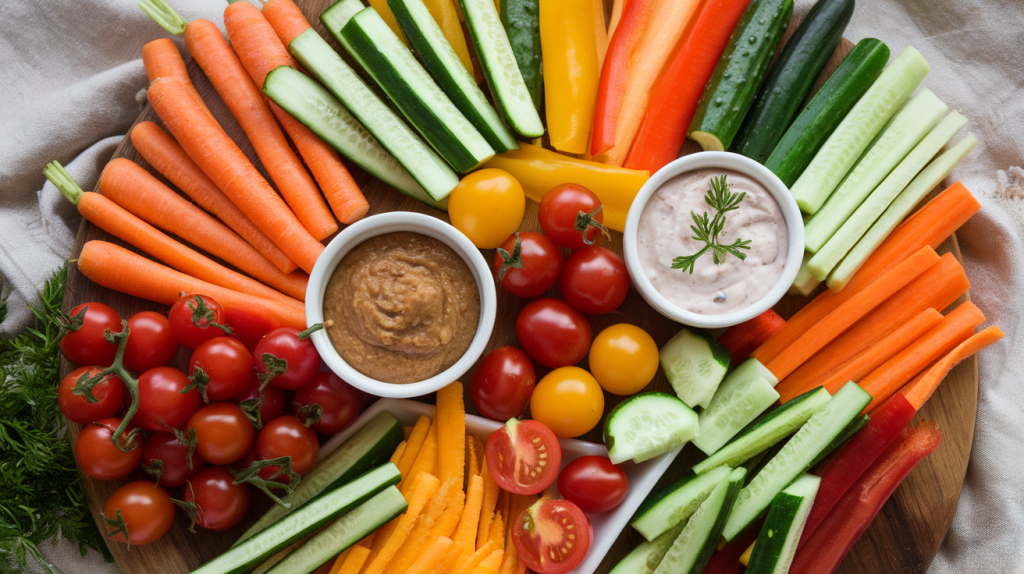
Successfully expanding a picky eater’s snack repertoire requires strategy, patience, and understanding. The approach you take matters as much as the foods you choose. These evidence-based techniques help reduce mealtime battles while gradually increasing food acceptance.
The Repeated Exposure Method
Research consistently shows that children need multiple exposures to new foods before accepting them. This doesn’t mean multiple tastes – even seeing, smelling, or touching counts as exposure. Each interaction moves them closer to acceptance, even if progress seems invisible.
Place new snacks on the table without expectation. Simply having unfamiliar foods visible during snack time starts the familiarization process. Your child might ignore them entirely at first, and that’s perfectly fine. After several appearances, curiosity often develops naturally.
When introducing something new, serve it alongside established favorites. Seeing trusted foods on the same plate makes the new item less threatening. A child might eat around the new food initially, but proximity alone provides valuable exposure. Eventually, they might touch it, smell it, or even lick it – all steps toward acceptance.
Modeling matters more than most parents realize. Eat the new snack yourself without commenting on it. Children naturally observe and often want what others are eating. Casual consumption without pressure or attention often works better than direct encouragement. Siblings or friends eating the food provides even more powerful modeling.
Pairing New with Familiar
Bridge foods help children transition from preferred snacks to new options. Start with something they already accept and gradually modify it toward healthier versions.
If your child loves ranch dressing with crackers, introduce raw vegetables as additional “dippers” alongside the crackers. Initially, they might only eat crackers, but eventually, curiosity about the vegetables as dipping vehicles often develops. Once vegetables get accepted with ranch, you can gradually introduce other dips or reduce the amount of dressing needed.
Familiar flavors can make new textures acceptable. A child who loves cinnamon toast might try cinnamon-sprinkled apple slices. Someone who enjoys tomato sauce on pasta might accept it as a dip for whole grain breadsticks or vegetables. The recognized flavor provides comfort while they experience new textures or forms.
Small Portions Strategy
Large portions of unfamiliar foods can overwhelm picky eaters before they even taste anything. Starting with tiny amounts – literally one small piece – feels more manageable and less wasteful if rejected.
Use the “one bite rule” without calling it that or making it feel like a requirement. Simply serve one small piece of the new food on their plate along with other accepted items. No pressure to eat it, just consistent presence. This approach prevents the new food from dominating the plate visually or psychologically.
Consider using smaller plates and bowls overall. On a smaller plate, appropriate portions look more substantial and less intimidating. This optical illusion can reduce anxiety around trying new foods while naturally controlling portion sizes.
Timing Considerations
Choosing the right moment to introduce new snacks significantly impacts success rates. Avoid times when your child is overly hungry, tired, or stressed.
Mid-morning or mid-afternoon, when children are mildly hungry but not ravenous, often works best for introducing new foods. Extreme hunger can make kids less adventurous and more likely to demand familiar foods. They need enough appetite to be interested but not so much that they’re desperate.
Weekends or relaxed days provide better opportunities than rushed weekday mornings. Without time pressure, children can explore new foods at their own pace. The calmer atmosphere reduces anxiety for everyone involved.
Some children are more receptive after physical activity. The natural appetite from playing outside or sports practice can increase willingness to try new snacks. Others might be more open during quiet, focused times. Pay attention to your child’s patterns and work with them.
Consider seasonal advantages too. Fresh berries in summer, apple picking in fall, or growing your own vegetables can create natural excitement around foods. Seasonal activities connected to food often increase interest and acceptance.
Celebrating Small Wins
Progress with picky eaters rarely follows a straight line. Recognizing and appreciating small steps forward helps maintain momentum and positivity for everyone involved.
Keep expectations realistic and celebrate micro-victories:
Looking at the new food: Visual familiarity is the first step
Touching or moving it: Physical interaction without tasting still counts
Smelling it: Engaging another sense moves toward acceptance
Licking or tiny taste: Even if they don’t swallow, this is progress
Taking one bite: Huge accomplishment even if they don’t finish
Document progress privately to remind yourself that change is happening, even when it feels slow. A simple notebook recording what was offered and any interaction can reveal patterns and progress invisible day-to-day. This record also helps identify which approaches work best for your specific child.
Avoid making big productions out of trying new foods. Casual acknowledgment works better than elaborate praise. “I saw you tried the hummus” communicates recognition without pressure. Over-enthusiastic reactions can actually increase anxiety around food or create power struggles.
Share successes with other caregivers to ensure consistency. If grandma knows that carrot sticks were accepted last week, she can offer them too. Consistent exposure across different settings and people accelerates acceptance. Make sure everyone understands the low-pressure approach to maintain the positive momentum you’ve created.
Final Thoughts on Nourishing Your Picky Eater
Finding healthy snacks that picky eaters will actually enjoy takes persistence, creativity, and lots of patience. The six snack ideas shared here – from build-your-own parfaits to smoothie popsicles – work because they meet children where they are while gently expanding their food horizons. Combined with strategies like fun presentation, hands-on preparation, and repeated low-pressure exposure, these snacks can gradually transform your child’s relationship with nutritious foods.
The journey toward varied, healthy eating rarely happens overnight. Some days will feel like progress, others like you’re moving backward, and that’s completely normal. Focus on creating positive experiences around food rather than perfect nutrition every single day. Each small step – whether it’s touching a new vegetable or taking one bite of an unfamiliar fruit – builds toward long-term healthy eating habits that will serve your child well throughout their life.
Frequently Asked Questions
Q: How long does it typically take for a picky eater to accept a new food?
A: Research suggests children need anywhere from 8 to 15 exposures to a new food before accepting it, though some kids need even more. Remember that exposure doesn’t always mean tasting – seeing, touching, and smelling all count toward familiarity.
Q: Should I hide vegetables in my child’s snacks or tell them what’s in it?
A: Both approaches have merit. Initially hiding vegetables can increase nutrition without battles, but eventually being transparent helps build trust and genuine acceptance of vegetables. Consider starting with hidden vegetables and gradually making them more visible as acceptance grows.
Q: What if my child only wants the same three snacks every day?
A: Eating the same foods repeatedly is common for picky eaters and usually temporary. Continue offering variety without pressure while ensuring their preferred snacks are reasonably nutritious. Most children naturally expand their preferences over time when not pressured.
Q: Is it okay to use dips and sauces to get my child to eat healthy snacks?
A: Absolutely! Dips provide a familiar flavor bridge to new foods. Ranch, hummus, nut butters, and yogurt-based dips can make vegetables and fruits more appealing. You can gradually reduce amounts or introduce healthier dip options as acceptance grows.
Q: How do I handle snack requests right before meals?
A: Establish clear snack windows – typically mid-morning and mid-afternoon – and stick to them consistently. If dinner is within an hour, offer water or a very small portion of vegetables that won’t significantly impact appetite for the meal.
Q: Should I make separate snacks for my picky eater or have them eat what everyone else is having?
A: Offer the same healthy options to everyone while ensuring at least one item your picky eater typically accepts is available. This prevents short-order cooking while still providing security through familiar foods.
Q: What if my child gags or has strong negative reactions to new foods?
A: Some children have sensory sensitivities that cause genuine distress with certain textures or flavors. Respect these reactions without drama – simply remove the food and try again another time with a different preparation method or smaller portion.
Q: How can I tell if my child’s picky eating is affecting their growth or health?
A: Regular pediatric checkups monitor growth and development. If your child is following their growth curve and has energy for normal activities, they’re likely getting adequate nutrition despite limited food choices. Discuss specific concerns with your pediatrician.