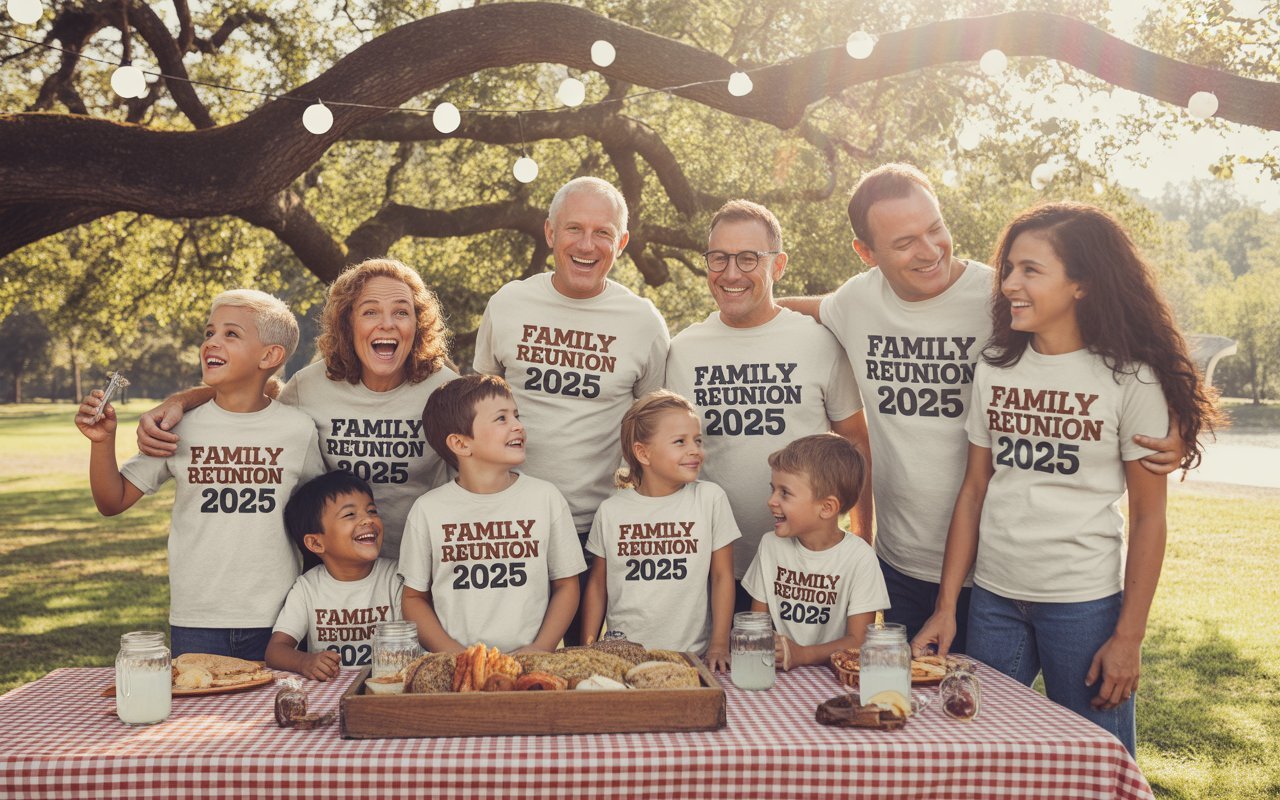
Family reunions bring together generations of relatives, often spanning multiple days with various activities planned throughout. From casual picnics in the park to formal dinners at restaurants, these gatherings require clothing that can transition seamlessly between different settings. Finding shirts that work for every event on the itinerary becomes a puzzle that many reunion organizers struggle to solve.
The challenge goes beyond simply picking a design that everyone likes. You need shirts that photograph well for the inevitable group photos, feel comfortable during outdoor games, and look presentable enough for nicer venues. Add in the need to accommodate different body types, ages, and personal styles across your entire family, and the task can feel overwhelming. Yet with the right approach, you can create reunion shirts that family members will actually want to wear long after the gathering ends.
Planning versatile reunion shirts requires thinking strategically about design elements, color choices, and customization options that work across multiple contexts. Whether your family prefers matching shirts for unity or coordinated designs that allow individual expression, the following sections will guide you through creating shirts that transition effortlessly from morning activities to evening celebrations. Let’s discover how to design reunion apparel that works as hard as your planning committee does.
- What Makes Family Reunion Shirts Multi-Event Ready
- Classic Design Templates That Never Go Out of Style
- How to Choose Colors That Work for Every Occasion
- Customization Options for Different Family Dynamics
- Practical Tips for Ordering and Distribution
- Final Thoughts on Creating Lasting Reunion Memories
- Frequently Asked Questions
What Makes Family Reunion Shirts Multi-Event Ready
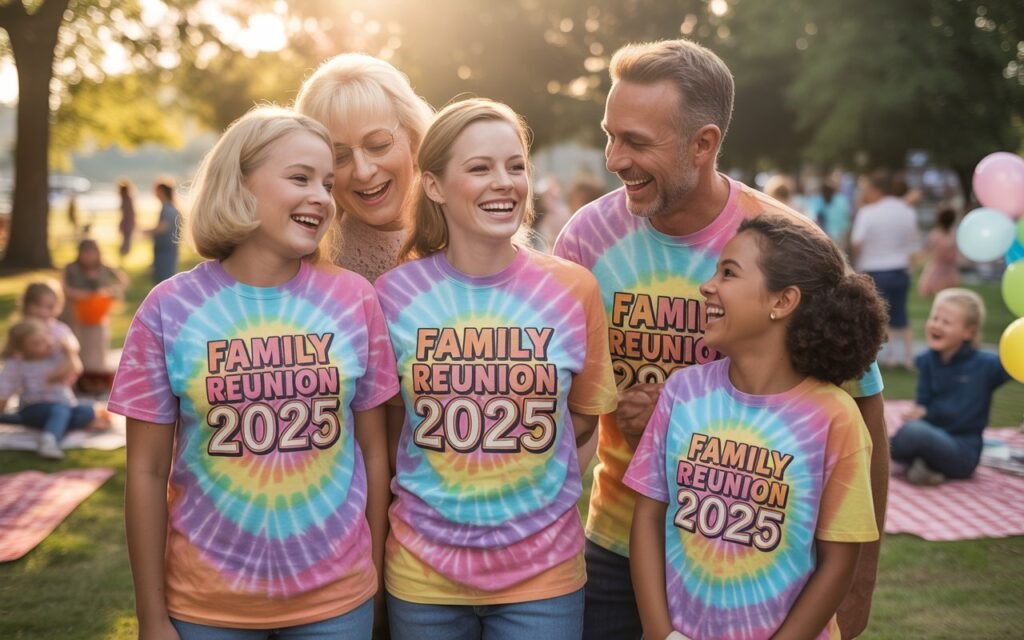
Creating shirts that work across different reunion activities requires careful consideration of several key factors. The most successful designs balance comfort with style, allowing family members to move from casual gatherings to more formal settings without feeling under or overdressed. Understanding these fundamental elements helps you make choices that satisfy both the teenager heading to the pool and the grandmother attending the farewell dinner.
Fabric and comfort considerations
The foundation of any versatile reunion shirt starts with fabric selection. Cotton blends offer the best combination of breathability and durability for multi-day wear. These materials hold up well through repeated washing, which becomes important when shirts get worn multiple times throughout a reunion weekend. Moisture-wicking properties help during outdoor activities, while the softness keeps everyone comfortable during long family conversations.
Weight matters too. Medium-weight fabrics work year-round and layer well under jackets or cardigans when events move indoors to air-conditioned spaces. Avoid super thin materials that might appear too casual for restaurant dinners or extremely heavy options that become uncomfortable during summer gatherings. The sweet spot sits somewhere between a basic undershirt and a thick winter tee.
Design versatility factors
Smart design placement makes all the difference in how shirts translate across settings. Centered chest designs tend to work better than full-front prints when you want versatility. This placement looks polished when tucked into dress pants or skirts for formal events, yet remains visible and fun when worn untucked with shorts at the family barbecue.
Keep graphics scaled appropriately. Oversized designs might look great at the park but can appear overwhelming in formal photos or intimate dinner settings. A design that spans 8-10 inches across the chest strikes the right balance – substantial enough to make a statement without dominating the entire shirt. This size also photographs well from various distances, whether you’re taking close-up portraits or large group shots.
Color choices that work anywhere
The base shirt color sets the tone for how formal or casual the overall look appears. Navy blue, charcoal gray, and deep burgundy offer sophistication while still feeling approachable for casual events. These darker shades photograph beautifully and hide minor stains from outdoor activities – a practical consideration when shirts need to last multiple days.
White and light gray provide classic options that pair with virtually any bottom, from jeans to dress pants. However, consider the practicality of light colors if your reunion includes messy activities like barbecues or events with young children. Many families find that offering both a light and dark option gives members flexibility to choose based on the day’s activities.
Size and fit flexibility
Different family members have varying preferences for how they like their shirts to fit. Some prefer a fitted look while others want room to move comfortably. Offering multiple fit options – standard, fitted, and relaxed – helps everyone feel confident in their reunion attire. This becomes particularly important when shirts need to work for active games and formal dinners.
Consider these practical tips for ensuring proper fit across your family:
Extended Sizes: Order a range that includes youth sizes through adult 5XL to accommodate everyone
Women’s Cuts: Provide both unisex and women’s specific options for better fit variety
Length Options: Some vendors offer tall sizes for those who prefer longer torsos
Shrinkage Factor: Order one size up if using 100% cotton to account for potential shrinking
Sample Orders: Get a few samples in different sizes before the bulk order to verify fit
The goal isn’t to force everyone into identical shirts but to create coordinated options that allow personal comfort while maintaining visual unity. When family members feel good in what they’re wearing, it shows in the photos and the overall reunion atmosphere.
Classic Design Templates That Never Go Out of Style
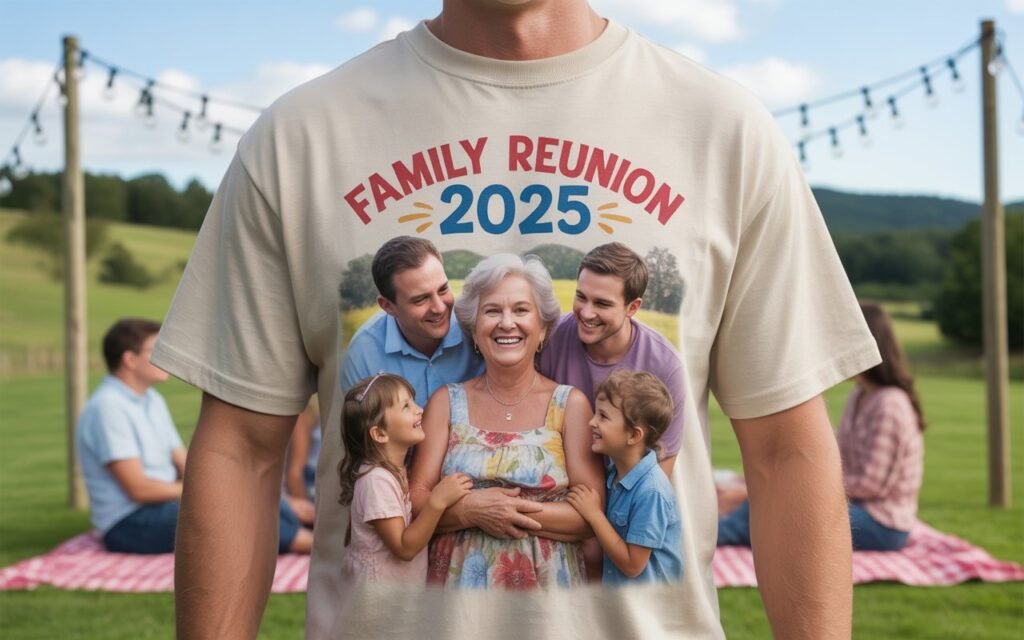
Timeless designs stand the test of both fashion trends and multiple reunion events. These templates work whether your family gathers at a beach resort, mountain lodge, or city venue. By choosing designs that avoid trendy elements likely to look dated in photos years later, you create shirts that family members will proudly wear to future gatherings and in everyday life.
Timeless typography approaches
Typography-based designs offer incredible flexibility for multi-event wear. A well-chosen font with your family name or reunion theme creates visual interest without relying on graphics that might not suit every venue. Script fonts bring elegance to formal dinners, while bold sans-serif options maintain readability during active outdoor events.
The arrangement of text matters as much as the font choice. Circular text layouts create movement and visual appeal without being too casual or too formal. Stacked text with varying sizes – perhaps the family name large with the reunion year smaller underneath – provides hierarchy while remaining sophisticated. These arrangements look equally appropriate on the golf course or at the farewell brunch.
Consider incorporating meaningful family phrases or mottos into the typography design. “Rooted in Love, Growing Together” or your family’s ancestral hometown creates connection without relying on imagery that might not translate across different settings. These text-based elements tell your family story while maintaining the versatility needed for various events.
Simple graphics that translate well
When incorporating graphics, simplicity ensures your design works everywhere. A single tree representing your family roots, a subtle mountain range for families who love hiking, or an understated compass for those who travel from far and wide to gather – these simple icons add visual interest without overwhelming the design. Line art or silhouette styles tend to work better than detailed illustrations for maintaining sophistication across different contexts.
Geometric patterns offer another versatile option. Hexagons, diamonds, or interconnected circles can represent family connections while looking modern and clean. These patterns scale well, meaning they look just as good from across a banquet hall as they do in close-up photos. Plus, geometric designs tend to age well, avoiding the dated look that more elaborate graphics might develop.
Vintage-inspired layouts
Retro designs have staying power precisely because they’ve already proven their longevity. Athletic-style jerseys with family numbers, collegiate-inspired designs with established dates, or vintage summer camp aesthetics work beautifully for reunions. These familiar templates feel nostalgic without being overly sentimental, striking the right balance for multi-generational appeal.
The beauty of vintage inspiration lies in its built-in versatility. A design mimicking old national park posters looks appropriate at outdoor venues while maintaining enough artistic merit for indoor events. Similarly, designs inspired by vintage travel postcards capture adventure and family journeys while remaining tasteful for formal gatherings.
Minimalist options for sophistication
Sometimes less truly is more, especially when shirts need to transition between vastly different events. A small, refined family crest or monogram positioned on the upper left chest creates unity without screaming “reunion shirt” in formal settings. This subtle approach allows the shirts to blend seamlessly into dinner attire while still identifying family members during larger gatherings.
Tone-on-tone designs – where the graphic appears in a slightly different shade than the shirt base – offer another sophisticated option. Navy graphics on a navy shirt or gray on gray creates texture and visual interest that photographs beautifully while maintaining elegance. This technique works particularly well for families who want coordination without obvious matching.
The power of minimalist design extends to its rewearability after the reunion ends. Family members are more likely to incorporate a tastefully designed shirt into their regular wardrobe, extending the life and value of your reunion investment. A shirt that gets worn throughout the year keeps family connections alive long after everyone returns home.
How to Choose Colors That Work for Every Occasion
Color selection can make or break your reunion shirt’s versatility. The right palette ensures shirts look cohesive in group photos while allowing them to function independently at different events. Beyond personal preferences, you need colors that photograph well in various lighting conditions and complement the range of skin tones in your family.
Universal color palettes
Certain color combinations naturally work across multiple settings. Navy and white creates a classic nautical feel perfect for summer reunions while maintaining enough formality for evening events. Forest green paired with cream brings outdoorsy appeal that translates well to both picnic tables and restaurant settings. These tried-and-true combinations avoid the pitfalls of trendy colors that might clash with venue decor or look dated in photos.
Neutral bases with colorful accents provide maximum flexibility. A gray shirt with teal and coral design elements allows family members to accessorize based on the event’s formality level. Women might add a statement necklace for dinner while men could pair the same shirt with khakis or jeans depending on the occasion. This approach gives everyone options while maintaining visual cohesion.
Seasonal considerations
The time of year for your reunion influences which colors feel appropriate across events. Summer gatherings call for lighter, brighter options that won’t absorb heat during outdoor activities. Coral, mint, and soft yellow bring seasonal joy while remaining sophisticated enough for indoor venues. These colors photograph beautifully in natural light and complement the warm tones of summer.
Fall and winter reunions benefit from richer, deeper hues. Burgundy, emerald, and deep purple feel seasonally appropriate while offering the sophistication needed for holiday gatherings that often include formal dinners. These colors also hide minor stains better – a practical consideration during events with hearty meals and multiple wearings.
Spring reunions can play with pastels that might feel too casual other times of year. Soft pink, lavender, and sage green capture renewal and growth themes while working well in both casual and dressy contexts. The key is choosing muted versions rather than bright easter egg shades that might limit versatility.
Matching with different venues
Indoor versus outdoor settings require different color considerations. Bright, bold colors that might feel overwhelming in a small restaurant private room come alive at a park pavilion. Conversely, subtle earth tones that blend into nature might get lost in dimly lit indoor spaces. The solution? Choose colors with enough contrast to stand out in photos regardless of backdrop.
Consider the specific venues you’ve booked when finalizing colors. Beach reunions benefit from colors that pop against sand and water – think coral, turquoise, or sunny yellow. Mountain gatherings might call for earth tones that complement natural surroundings without competing. Urban reunions in hotels or restaurants often work best with sophisticated jewel tones or classic black and white.
Creating cohesion without monotony
Rather than forcing everyone into identical shirts, consider a coordinated color scheme that allows variation. Offer the same design in three complementary colors, letting family members choose their preference while maintaining visual unity. This approach works especially well for large families where finding one color that suits everyone proves challenging.
Here are effective strategies for coordinated variety:
Generation Coding: Different age groups wear different shades of the same color family
Branch Variation: Each family branch chooses from a preset palette
Gradient Effect: Arrange colors from light to dark creating an ombré effect in photos
Accent Consistency: Different shirt colors but identical accent color in the design
Pattern Play: Same color scheme expressed through different patterns or textures
The magic happens when these varied but coordinated shirts come together in group photos. Instead of a uniform block of color, you create visual interest while maintaining the unity that makes reunion photos special. Family members also appreciate having input in their color choice, increasing the likelihood they’ll wear the shirts throughout the reunion and beyond.
Customization Options for Different Family Dynamics
Every family has its own structure, traditions, and dynamics that influence how reunion shirts should be customized. Large families might need systems for identifying different branches, while smaller gatherings might focus on celebrating individual personalities within the group design. Understanding your family’s specific needs helps create shirts that everyone feels proud to wear.
Name placement strategies
Individual names transform generic reunion shirts into personal keepsakes. The placement and style of names significantly impacts both the look and versatility of the shirts. Names across the back shoulders create a sports-inspired look perfect for active events while remaining hidden under jackets for formal occasions. This placement also helps family members learn names of distant relatives or new additions through marriage.
Small names integrated into the main design offer subtlety. Perhaps each family member’s name appears in a leaf on a family tree graphic, or names create the outline of a heart or circle. This approach maintains design integrity while adding personal touches. The names become part of the art rather than an obvious add-on.
For maximum flexibility, consider removable name options. Iron-on name patches or pin-on name badges allow customization for specific events while keeping shirts generic enough for other occasions. This works particularly well for families who want identification during the main reunion but prefer anonymous shirts for touring local attractions.
Generation-specific variations
Different generations within your family might appreciate design variations that reflect their role in the family structure. Grandparents might receive shirts with “Original Crew” or “Founding Members” text, while the youngest generation gets “Future Legacy” or “Next Chapter” additions. These subtle differences honor everyone’s place in the family story while maintaining overall design cohesion.
Consider practical modifications for different age groups too. Youth shirts might feature slightly more playful fonts or brighter accent colors within the same design framework. Adult versions could incorporate more sophisticated details like metallic ink or embroidered elements. These thoughtful touches show consideration for different tastes while keeping everyone connected through the core design.
The beauty of generation-specific elements lies in how they photograph together. Seeing “Established 1952” on grandparents’ shirts alongside “Newest Addition 2024” on baby onesies tells your complete family story in a single group photo. These details become conversation starters and help distant relatives understand family connections.
Adding personal touches
Beyond names and generations, personal elements make shirts truly special. Birth years in small text, hometown abbreviations, or favorite family nicknames (used respectfully) add layers of meaning without cluttering the design. These details might appear along sleeves, near hems, or integrated into pattern elements where they add interest without dominating.
Some families incorporate inside jokes or shared memories into their designs. A small icon representing the family’s favorite vacation spot, a subtle reference to grandma’s famous pie, or coordinates of the family homestead create connections that outsiders might not notice but family members treasure. These elements should enhance rather than explain – those who understand will appreciate them.
Accommodating different family branches
Large families often include distinct branches that want recognition within the unified design. Color coding offers one solution – all shirts feature the same design but in colors specific to each branch. During large gatherings, this helps identify cousins and connections while maintaining overall unity. For formal events, everyone still looks coordinated despite the variety.
Another approach involves subtle design variations. Perhaps each branch has a different symbol incorporated into their version – an anchor for the naval family, mountains for the Colorado branch, or a musical note for the musicians. These symbols might appear small near the main design or create a border element that’s branch-specific.
The trick is finding balance between unity and individuality. Too much variation and you lose the cohesion that makes reunion shirts special. Too little and larger families might feel like their unique identities get lost. Start with a strong central design that appears on all shirts, then add branch-specific elements in ways that complement rather than compete with the main theme.
Practical Tips for Ordering and Distribution
The logistics of ordering and distributing reunion shirts can determine whether your multi-event apparel succeeds or becomes a source of stress. Smart planning in these practical areas ensures everyone receives properly fitting shirts in time for the reunion while staying within budget. Organization during this phase sets the tone for how smoothly the actual reunion runs.
Sizing charts and measurements
Sizing varies dramatically between manufacturers, making accurate measurements crucial for reunion satisfaction. Request samples from your chosen vendor before placing the full order. These samples serve double duty – checking quality and creating a sizing station at a pre-reunion gathering where family members can try on different sizes. This hands-on approach prevents the disappointment of ill-fitting shirts during the actual event.
Create a comprehensive sizing spreadsheet that goes beyond simple S, M, L designations. Include columns for preferred fit (fitted, regular, relaxed), any special requirements (tall sizes, maternity considerations), and backup sizes in case first choices run out. This detailed information helps when making last-minute adjustments or reorders.
For distant family members who can’t attend pre-reunion fittings, provide detailed measuring instructions. A simple video showing how to measure chest, length, and shoulders helps ensure accuracy. Request that people measure their favorite fitting shirt rather than their body – this method tends to yield better results than body measurements alone.
Timeline planning
Working backward from your reunion date creates a realistic ordering schedule. Most custom shirt vendors need 2-3 weeks for production after design approval, plus shipping time. Add buffer weeks for design revisions, size collection, and potential corrections. Starting the process three months before your reunion provides comfortable cushion for unexpected delays.
The design phase often takes longer than expected. Family members want input, committees need approval, and revisions require time. Allocate at least a month for design finalization, including time for family feedback and professional designer adjustments if needed. Setting clear deadlines for input helps prevent endless revision cycles.
Build in contingency plans for common issues. What happens if shirts arrive with errors? Can you get rush replacements? Having backup options – perhaps a local printer for emergency additions or a simple backup design ready to go – prevents shirt problems from derailing reunion joy.
Budget considerations
Transparent pricing discussions prevent financial stress from dampening reunion excitement. Beyond the base shirt cost, factor in design fees, individual customization charges, shipping, and potential rush fees. Many families find that ordering extra shirts costs less per unit while providing backups for last-minute additions or sizing exchanges.
Creating tiered options accommodates different financial situations within your family. Offer a basic package with the standard reunion shirt, then additional items like youth sizes, tank top versions, or premium options with embroidery for those who want them. This approach ensures everyone can participate while allowing those who wish to spend more to do so.
Consider these money-saving strategies without sacrificing quality:
Early Bird Discounts: Offer reduced prices for orders placed before a certain date
Bulk Tier Pricing: Share savings from larger orders with the whole family
Sponsorship Options: Allow family members to sponsor shirts for others
Payment Plans: Break costs into smaller monthly payments leading up to the reunion
Design Reuse: Save design files for future reunions to avoid starting from scratch
Distribution logistics
Getting shirts to family members requires careful planning, especially for large or geographically dispersed families. Shipping individual orders directly to family members saves reunion-day chaos but increases costs and complexity. Bulk shipping to regional coordinators who handle local distribution balances cost and convenience.
For the reunion itself, organize distribution to minimize confusion. Pre-sort shirts by family branch or alphabetically by last name. Use clear bags or boxes labeled with names and sizes. Set up a dedicated distribution time and location rather than trying to hand out shirts during other activities. This focused approach ensures everyone receives their correct items.
Plan for common distribution challenges. Keep a detailed inventory of who has received their shirts and who hasn’t. Have a system for exchanges if sizes don’t work. Designate someone to handle late arrivals or family members who couldn’t attend but still want shirts. These preparations transform potential chaos into smooth operations.
Don’t forget about photography considerations in your distribution timing. If you want everyone wearing their shirts for the main group photo, distribute them at least a day before. This gives people time to try them on, make any necessary exchanges, and remove wrinkles. Nothing diminishes the impact of matching reunion shirts like half the family still having fold creases in their photos.
Final Thoughts on Creating Lasting Reunion Memories
Successfully designing reunion shirts that work across multiple events requires balancing numerous factors – from practical fabric choices to meaningful customization options. The effort invested in creating versatile designs pays dividends when family members confidently wear their shirts from morning activities through evening celebrations. More importantly, these thoughtfully designed shirts become treasured keepsakes that extend the reunion experience long after everyone returns home.
The strategies shared throughout these sections provide a roadmap for creating reunion apparel that satisfies diverse family needs while maintaining visual unity. Whether you opt for timeless typography, coordinate colors across generations, or incorporate personal touches that tell your family’s unique story, the key lies in planning designs that respect both individual preferences and group cohesion. When family members feel comfortable and proud in their reunion shirts, it shows in every photo and interaction, creating the positive memories that make reunions worth repeating.
Frequently Asked Questions
Q: How far in advance should we start planning our family reunion shirts?
A: Begin the planning process at least three months before your reunion date. This timeline allows one month for design development and approval, one month for collecting sizes and placing orders, and one month buffer for production, shipping, and handling any unexpected issues.
Q: What’s the best way to collect accurate sizing information from distant relatives?
A: Create an online form with detailed sizing charts and ask family members to measure their favorite fitting shirt rather than their body measurements. Include photos showing how to measure chest width and shirt length. Consider ordering samples that can be shipped between family members for trying on.
Q: Should we order extra shirts beyond our confirmed attendance list?
A: Yes, ordering 10-15% extra shirts is recommended. These extras accommodate last-minute attendees, sizing exchanges, and family members who might want additional shirts as keepsakes. The per-unit cost typically decreases with larger orders, making extras economically sensible.
Q: How can we make sure our shirts photograph well at different events?
A: Choose colors with good contrast that won’t wash out in bright sunlight or disappear in indoor lighting. Avoid very thin fabrics that might appear transparent in photos. Position designs at chest height where they’ll be visible in both full-body and cropped photos.
Q: What’s the best approach for families with very different style preferences?
A: Offer the same design in 2-3 coordinating colors or provide options for different shirt styles (crew neck, v-neck, tank top) with identical designs. This gives family members choice while maintaining visual unity in group settings.
Q: Can we incorporate both casual and formal elements in one design?
A: Absolutely. Use sophisticated fonts with playful placement, or combine elegant colors with fun graphic elements. Designs that balance these elements work best – think classic typography with a small whimsical icon, or traditional layouts with modern color schemes.
Q: How do we handle sizing for pregnant family members or those with recent weight changes?
A: Order multiple sizes for these family members and plan for on-site exchanges. Consider offering flowing tank top or relaxed fit options as alternatives. Always approach these situations with sensitivity and privacy.
Q: What printing method works best for multi-event reunion shirts?
A: Screen printing offers the best durability for shirts that will be worn and washed multiple times. For designs with many colors or photographic elements, direct-to-garment (DTG) printing provides quality that holds up through multiple wears while maintaining design detail.