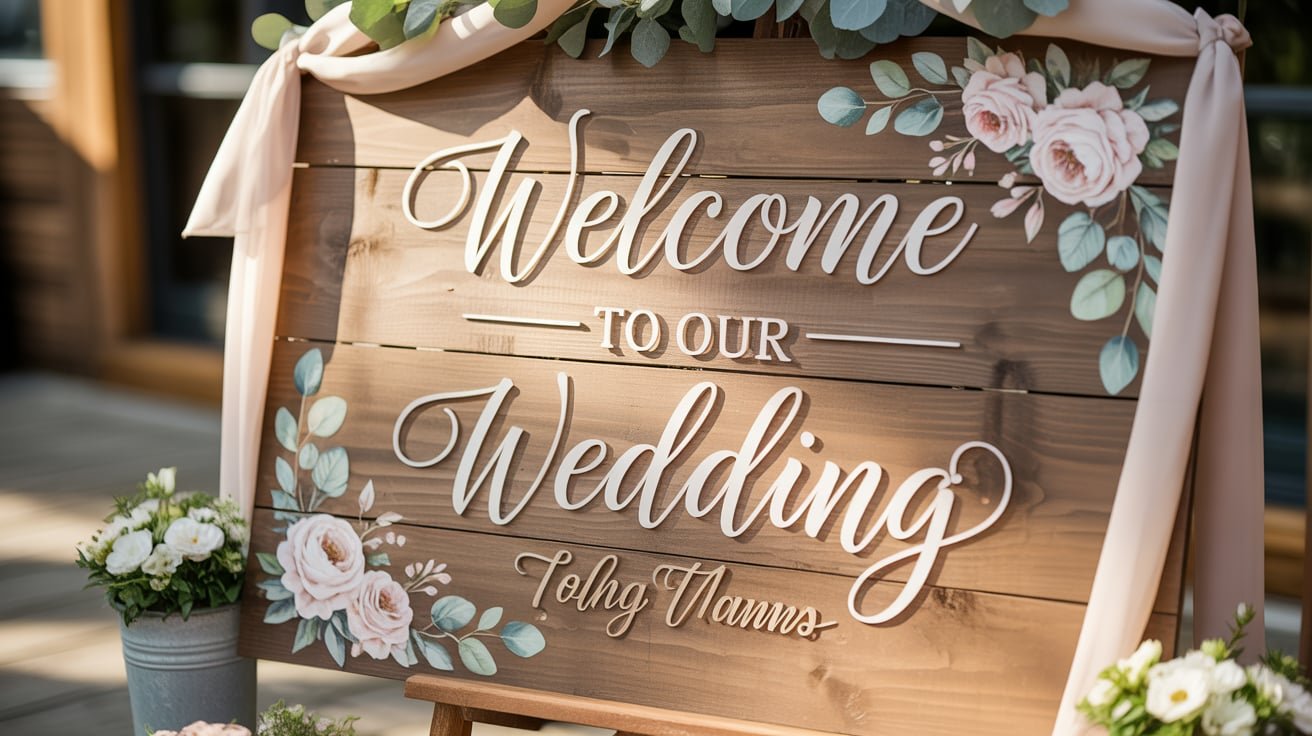
Wedding welcome signs have become essential elements that set the tone for your entire celebration. These decorative pieces serve as the first greeting your guests encounter, creating an immediate impression of your wedding style and personality. Beyond their practical purpose of directing guests, welcome signs have evolved into statement pieces that reflect your unique love story.
The perfect welcome sign does more than just say hello – it becomes a memorable part of your wedding photography and guest experience. Your choice of materials, design, and placement can transform a simple greeting into an Instagram-worthy moment that guests will remember long after the last dance. From rustic barn weddings to elegant ballroom affairs, the right welcome sign creates cohesion between your venue and theme.
Let’s share here five stunning welcome sign ideas that will instantly captivate your guests. You’ll discover how different materials, styles, and creative approaches can elevate this simple element into something extraordinary. Whether you prefer timeless elegance or modern creativity, these ideas will help you craft the perfect first impression for your special day.
- What Makes a Wedding Welcome Sign Truly Memorable?
- Rustic Wooden Welcome Signs for Country-Inspired Weddings
- Modern Acrylic Signs That Create Stunning Photo Opportunities
- Mirror Signs That Add Glamour and Sophistication
- Creative Alternatives to Traditional Welcome Signs
- Making Your Sign a Focal Point That Guests Will Remember
- Frequently Asked Questions
What Makes a Wedding Welcome Sign Truly Memorable?
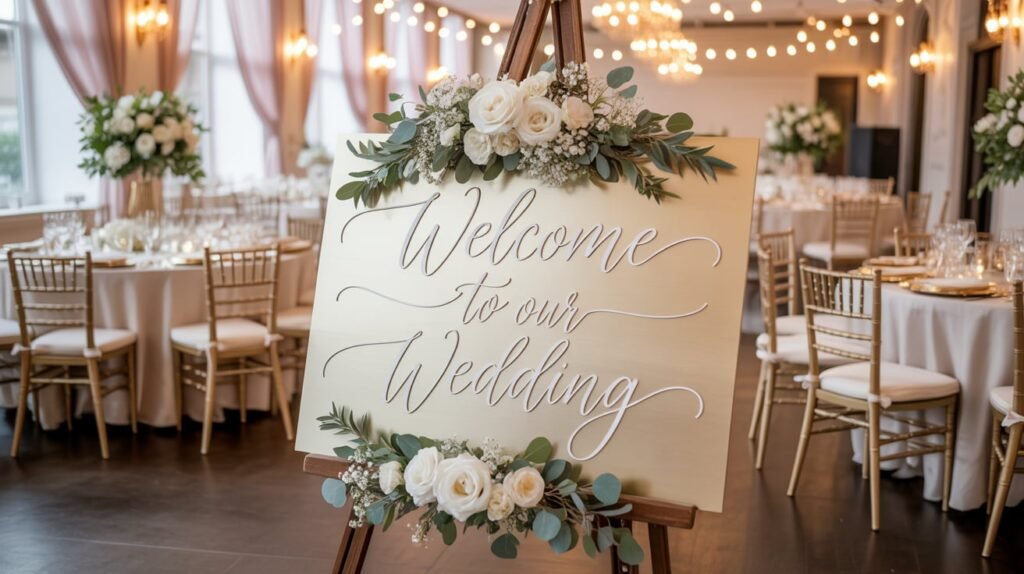
Creating a welcome sign that guests will remember requires thoughtful consideration of several design elements. The most impactful signs combine aesthetic appeal with practical functionality, ensuring guests feel welcomed while capturing the essence of your celebration. Understanding these fundamental aspects helps you choose or design a sign that perfectly represents your wedding vision.
Size and placement considerations
The physical dimensions of your welcome sign directly impact its effectiveness and visual presence. A sign that’s too small gets lost in the venue’s entrance, while oversized pieces can overwhelm the space and appear disproportionate. Standard welcome signs typically measure between 18×24 inches for intimate gatherings and up to 36×48 inches for larger celebrations.
Placement proves equally crucial for maximum impact. Position your sign where guests naturally pause upon arrival – near the entrance pathway, beside the guest book table, or at the ceremony entrance. Consider the flow of foot traffic and ensure the sign doesn’t create bottlenecks during peak arrival times.
Height matters significantly for visibility. Signs positioned at eye level or slightly above create the best viewing experience. For outdoor weddings, secure placement becomes essential to prevent wind damage. Weighted easels, stakes, or leaning against sturdy structures provides stability without compromising aesthetics.
Color coordination with wedding theme
Your welcome sign’s color palette should seamlessly integrate with your overall wedding design. This doesn’t mean exact matching – instead, think about complementary tones that enhance your chosen scheme. A sign featuring soft blush lettering against cream backgrounds beautifully supports romantic themes, while bold black text on white creates modern sophistication.
Consider how colors will photograph throughout the day. Morning ceremonies benefit from lighter shades that won’t wash out in bright sunlight, while evening celebrations can handle deeper, richer tones. Metallic accents in gold, silver, or rose gold add dimension and catch light beautifully in photos.
Personal touches that make signs special
Personalization transforms generic welcome signs into meaningful keepsakes. Include your wedding date, venue name, or a favorite quote that represents your relationship. Some couples incorporate elements from their engagement story or shared interests – perhaps mountain silhouettes for hiking enthusiasts or wave patterns for beach lovers.
Custom illustrations or monograms add another layer of personality. These distinctive elements can carry through to other wedding stationery, creating visual consistency. Hand-drawn maps showing local landmarks or important locations from your relationship journey offer guests conversation starters while waiting for ceremonies to begin.
Family traditions or cultural elements woven into the design honor your heritage. This might include specific symbols, patterns, or greetings in multiple languages for international guest lists. These thoughtful additions show attention to detail and make everyone feel included in your celebration.
Materials that photograph beautifully
The materials you choose significantly affect how your welcome sign appears in photos – both professional shots and guest snapshots. Matte surfaces minimize glare and create consistent appearance across different lighting conditions. Wood grain adds natural texture that photographs warmly, while smooth acrylic offers contemporary sleekness.
Different materials interact uniquely with various lighting scenarios throughout your wedding day:
Natural Light: Wood and canvas materials develop rich, warm tones in golden hour lighting
Flash Photography: Matte finishes prevent harsh reflections that can obscure text
Ambient Lighting: Translucent materials like frosted acrylic create ethereal effects with backlighting
String Lights: Metallic elements sparkle beautifully when surrounded by twinkling lights
Typography choices that set the tone
Font selection immediately communicates your wedding’s formality level and style. Script fonts suggest romance and elegance, while clean sans-serif typefaces indicate modern minimalism. Mixing font styles – perhaps script for names with block letters for informational text – creates visual hierarchy and interest.
Legibility remains paramount regardless of style preferences. Ornate scripts might look beautiful up close but become difficult to read from a distance. Test your chosen fonts at various sizes to ensure guests can easily read all information. Consider the contrast between text and background colors, avoiding combinations that strain the eyes.
Letter spacing and line height affect overall readability and aesthetic appeal. Generous spacing creates an airy, elegant feel, while tighter arrangements suggest energy and excitement. The size relationship between different text elements guides readers through the information naturally, highlighting what’s most important.
Rustic Wooden Welcome Signs for Country-Inspired Weddings
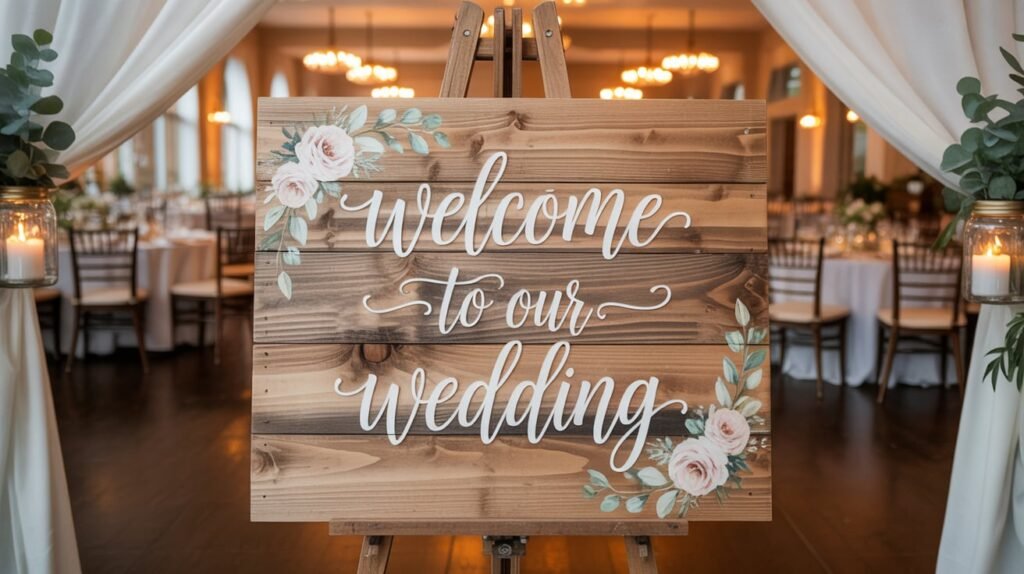
Wooden welcome signs perfectly capture the warmth and authenticity of countryside celebrations. Their natural texture and organic appeal create an inviting atmosphere that immediately puts guests at ease. The versatility of wood allows for countless customization options, from distressed finishes that suggest vintage charm to smooth, polished surfaces that maintain elegance while staying grounded in nature.
Reclaimed wood versus new lumber options
The choice between reclaimed and new wood significantly impacts both the aesthetic and environmental footprint of your welcome sign. Reclaimed wood brings character through its weathered patina, nail holes, and natural imperfections that tell stories of previous lives. Each piece offers unique coloring and grain patterns impossible to replicate artificially.
Sourcing reclaimed wood requires planning but yields remarkable results. Old barn wood, fence planks, or salvaged flooring provide authentic rustic appeal. These materials often come with varying widths and thicknesses, creating dimensional interest when assembled. The natural aging process has already stabilized the wood, reducing warping concerns for outdoor display.
New lumber offers predictability and uniformity that some designs require. Pine remains popular for its affordability and ease of customization through staining or painting. Cedar naturally resists weather damage, making it ideal for outdoor ceremonies without chemical treatment. Birch provides a lighter color palette with subtle grain patterns that won’t compete with your lettering.
Hand-lettered versus vinyl lettering techniques
The lettering method you choose dramatically affects your sign’s personality and production timeline. Hand-lettered signs showcase artisanal craftsmanship that perfectly complements rustic themes. Each stroke carries slight variations that create warmth and authenticity impossible to achieve through mechanical means.
Professional calligraphers can work directly on wood surfaces using specialized paints that adhere properly to textured materials. This approach requires steady hands and cannot be easily corrected, making the artist’s skill level crucial. The time investment and expertise needed typically increase costs, but the resulting one-of-a-kind piece becomes a cherished keepsake.
Vinyl lettering offers precision and consistency across multiple signs if you’re creating a series. Modern cutting machines produce incredibly detailed designs, including flourishes and decorative elements that would challenge even experienced calligraphers. Application requires patience to avoid bubbles or misalignment, but mistakes can be corrected by removing and repositioning the vinyl.
Some couples combine both techniques, using vinyl for main text to ensure legibility while adding hand-painted accents for personality. This hybrid approach balances professionalism with artistic flair, creating signs that feel both polished and personal.
Incorporating florals and greenery
Fresh or artificial botanicals transform simple wooden signs into living art pieces that connect with nature-themed celebrations. The key lies in selecting arrangements that complement rather than compete with your text. Asymmetrical designs often work best, clustering florals in corners or along one edge while leaving the message clearly visible.
Fresh flowers require last-minute assembly to maintain their beauty throughout your event. Water tubes hidden behind the sign keep stems hydrated, though you’ll need hardy varieties that withstand being out of water for extended periods. Eucalyptus, olive branches, and rosemary prove particularly resilient while adding aromatic elements to your entrance.
Artificial florals have improved dramatically in recent years, offering realistic alternatives that won’t wilt. High-quality silk or preserved flowers can be attached well in advance, reducing wedding-day stress. These arrangements also allow for flowers outside their natural season, giving you complete creative freedom regardless of your wedding date.
Attachment methods vary based on your flowers’ weight and the sign’s display duration:
Wire Wrapping: Floral wire secures lightweight greenery without visible hardware
Hot Glue: Creates permanent bonds for artificial arrangements
Zip Ties: Hidden behind foliage, these provide sturdy support for heavier elements
Removable Adhesive: Allows for repositioning during setup without damage
Lighting options for evening visibility
As daylight fades, proper illumination ensures your welcome sign remains functional and beautiful. Strategic lighting transforms wooden signs into glowing focal points that guide guests while maintaining ambiance. The warmth of wood pairs beautifully with soft lighting, creating inviting scenes perfect for evening arrivals.
String lights draped across or around wooden signs create magical effects without overwhelming the design. Battery-powered LED strands eliminate cord management concerns while providing hours of consistent illumination. Choose warm white bulbs that complement wood’s natural tones rather than cool whites that can appear harsh against organic materials.
Spotlights positioned at ground level cast dramatic shadows while ensuring text remains readable. Solar-powered options charge during afternoon setup and automatically activate at dusk. Position lights at angles that minimize glare in photos while providing adequate illumination for reading.
Lanterns flanking your sign offer both practical lighting and decorative appeal. Mix sizes for visual interest, filling them with battery-operated candles for safety. Hurricane lamps protect flames from wind if you prefer real candles, though venues may have restrictions on open flames.
Weather-proofing outdoor wooden signs
Outdoor ceremonies require extra consideration to protect wooden signs from weather damage. Even seemingly perfect forecasts can bring unexpected moisture from morning dew or sudden wind gusts. Proper preparation prevents warping, running colors, or complete sign failure during your celebration.
Sealants provide invisible protection without altering your sign’s appearance. Apply clear polyurethane or acrylic sealer several days before your wedding, allowing complete drying time. Focus on end grain areas where moisture absorbs most readily. Multiple thin coats provide better protection than single thick applications.
Consider your display method’s stability in various weather conditions. Easels can topple in wind, while stakes might struggle in hard-packed ground. Sandbags discretely placed behind signs add stability without appearing in photos. For extremely windy locations, lean signs against sturdy structures like trees or buildings rather than attempting free-standing displays.
Having contingency plans for severe weather shows foresight. Identify covered areas where signs could relocate if needed. Photograph your sign in its ideal position during setup, allowing you to recreate the scene even if weather forces changes. Some couples create duplicate signs – one for outdoor display and another kept protected for reception use.
Modern Acrylic Signs That Create Stunning Photo Opportunities
Acrylic welcome signs represent the pinnacle of contemporary wedding design, offering transparency and sophistication that traditional materials cannot match. These sleek surfaces reflect light beautifully, creating dimensional effects that photographers love capturing. The material’s versatility allows for everything from minimalist designs that seem to float to bold statements incorporating multiple layers and colors.
Clear versus frosted acrylic options
The transparency level of your acrylic sign profoundly affects its visual impact and interaction with surroundings. Clear acrylic creates an illusion of floating text, allowing backgrounds to show through for constantly changing appearances as guests view from different angles. This option works particularly well against textured backdrops like brick walls, greenery walls, or scenic outdoor vistas.
Clear acrylic’s glass-like quality adds luxury without the fragility concerns of actual glass. The material’s clarity showcases precision lettering and allows for creative layering effects. Some couples place botanical elements or pressed flowers behind clear acrylic, creating depth while maintaining clean lines. Photography particularly benefits from clear acrylic’s ability to capture reflections and play with light.
Frosted acrylic offers a softer, more diffused appearance that provides better text contrast in bright conditions. The subtle opacity prevents backgrounds from interfering with legibility while maintaining modern appeal. This finish particularly suits venues with busy or colorful backdrops that might distract from your message.
Thickness impacts both durability and visual weight – 1/8 inch works for smaller signs, while larger pieces require 1/4 inch or more to prevent bowing. Polished edges catch light like jewelry, adding subtle sparkle to your display. Some designs incorporate both clear and frosted sections, using contrast to create hierarchy and visual interest.
Calligraphy styles for contemporary weddings
Modern calligraphy on acrylic surfaces breaks traditional rules while maintaining elegance. Contemporary scripts feature dramatic thick-to-thin transitions, unexpected flourishes, and playful bounce lettering that adds movement. These styles perfectly complement acrylic’s clean lines, creating dynamic tension between organic lettering and geometric material.
Popular modern calligraphy styles each bring distinct personalities to your signage. Brush lettering creates bold, confident strokes that command attention. Modern pointed pen styles offer delicate refinement with dramatic contrast. Casual scripts feel approachable and fun, perfect for relaxed celebrations. The key lies in choosing styles that align with your overall aesthetic while ensuring readability.
Color choices for acrylic lettering extend far beyond traditional black or white. Metallic paints in copper, gold, or rose gold create warmth against cool acrylic surfaces. Colored vinyl in unexpected shades like sage green or dusty blue adds personality without sacrificing sophistication. Some couples choose ombré effects, gradually transitioning colors throughout their text for artistic impact.
Professional application techniques ensure longevity:
Reverse Application: Lettering applied to the back surface protects against scratches
UV-Resistant Materials: Prevents fading during outdoor display
Hand-Painted Details: Adds artistic variation vinyl cannot achieve
Multi-Layer Vinyl: Creates shadow effects for enhanced dimensionality
Incorporating metallic accents
Metallic elements elevate acrylic signs from simple to spectacular, adding glamour that catches light throughout your celebration. These accents can range from subtle edge details to bold geometric patterns that frame your text. The contrast between transparent acrylic and opaque metallics creates visual tension that draws eyes naturally to your message.
Gold leaf application creates organic, artistic effects impossible to replicate mechanically. The irregular edges and natural variations in coverage add handcrafted appeal to modern materials. This technique works particularly well for corner embellishments or as delicate vine patterns weaving through your text.
Metallic vinyl offers precision for geometric designs or consistent borders. Copper creates warmth that softens acrylic’s sometimes clinical appearance. Silver maintains cool elegance, while rose gold bridges the gap with romantic undertones. Consider how your chosen metals coordinate with other wedding elements like ring metals, flatware, or decorative fixtures.
Hardware itself becomes decorative when thoughtfully selected. Brass standoffs for mounting create industrial elegance. Gold chains for hanging add movement and interest. Even functional elements like corner protectors can incorporate metallic finishes that enhance rather than detract from your design.
Stand options and display methods
How you display acrylic signs significantly impacts their effectiveness and photogenic qualities. The transparency that makes these signs beautiful also presents unique challenges – traditional easels can show through, disrupting clean lines. Modern display solutions work with rather than against acrylic’s properties.
Minimalist metal stands designed specifically for acrylic signs provide stability without visual distraction. Black or gold frames complement most wedding palettes while adding architectural structure. Adjustable heights accommodate various venue configurations, from garden ceremonies to grand ballroom entrances.
Floating mount systems create the illusion that signs hover without support. Clear acrylic stands or ledges become nearly invisible, allowing your message to take center stage. Wall-mounted options using clear standoffs maintain several inches of space between sign and wall, creating shadow effects that add dimension.
Alternative display methods showcase creativity while solving practical concerns. Suspended signs hung from ribbon or invisible fishing line move gently, catching light from different angles. Leaning arrangements against existing structures like staircases or columns eliminate stand requirements entirely. Some couples incorporate signs into larger installations, nestling acrylic among floral arrangements or architectural elements.
Mixing acrylic with other materials
Combining acrylic with contrasting materials creates sophisticated, multi-dimensional displays that transcend simple signage. These hybrid designs leverage each material’s strengths while minimizing individual limitations. The key lies in finding balance – allowing each element to contribute without overwhelming the composition.
Wood and acrylic partnerships bring warmth to modern designs. A wooden base grounds floating acrylic, providing visual weight and stability. Natural wood grain visible through clear acrylic creates organic patterns that soften industrial edges. This combination particularly suits couples wanting modern aesthetics without sacrificing warmth.
Metal frames or backing add structure and glamour to acrylic signs. Copper frames create vintage industrial vibes, while sleek aluminum maintains contemporary minimalism. Some designs feature metal only as accent strips or corner details, adding just enough contrast without dominating. The reflective qualities of both materials play off each other, multiplying light effects.
Fabric elements soften acrylic’s hard edges while adding texture and movement. Ribbon woven through laser-cut slots creates interactive elements that respond to breezes. Silk florals attached to corners bridge the gap between natural and modern. Even simple fabric draping behind acrylic signs adds depth and color that changes with viewing angle.
Unexpected material combinations showcase personality:
Pressed Flowers: Sandwiched between acrylic layers for preserved beauty
Marble Backing: Provides luxurious patterns visible through transparency
Mirror Elements: Doubles visual impact through reflection
LED Integration: Embedded lights create futuristic effects
Paper Designs: Laser-cut details layered behind for shadow art
Mirror Signs That Add Glamour and Sophistication
Mirror welcome signs instantly elevate wedding entrances with their reflective luxury and timeless appeal. These glamorous pieces serve double duty – welcoming guests while creating stunning reflections of your carefully designed space. The inherent elegance of mirrors transforms simple messages into sophisticated focal points that photograph beautifully from every angle.
Choosing the right mirror size and shape
The dimensions and silhouette of your mirror sign significantly impact its presence and functionality. Oversized mirrors make bold statements, reflecting substantial portions of your venue while commanding attention. A 4-foot tall vintage mirror creates drama at ballroom entrances, while petite hand mirrors suit intimate garden gatherings.
Shape selection goes beyond basic rectangles and circles. Ornate Venetian mirrors with scalloped edges suggest old-world romance. Art deco geometrics like hexagons or sunbursts align with vintage glamour themes. Arched mirrors soften angular venues while adding architectural interest. Even irregular antique mirrors with aged edges contribute character that new mirrors cannot replicate.
Consider proportions relative to your venue’s scale. Tall, narrow mirrors elongate spaces and draw eyes upward in venues with impressive ceilings. Horizontal orientations work well for wide entrances or when displaying longer messages. Multiple smaller mirrors grouped together create gallery walls that guests explore rather than simply glance at in passing.
Weight and fragility influence practical decisions about transport and setup. Heavier antique mirrors require sturdy support systems and careful handling. Acrylic mirrors offer shatter-resistant alternatives that maintain reflective properties while reducing risk. Some couples reserve genuine glass mirrors for indoor portions while using acrylic alternatives for outdoor ceremonies.
Lettering techniques for mirror surfaces
Writing on mirrors presents unique technical challenges that require specialized materials and techniques. Unlike porous surfaces that absorb ink, mirrors’ smooth surfaces demand products designed for non-porous materials. The reflective quality that makes mirrors beautiful also means every imperfection shows clearly.
Chalk markers designed for glass and mirrors provide opaque coverage that stands out against reflective surfaces. These water-based markers allow for corrections during application – simply wipe away mistakes with damp cloths before the ink fully sets. Once dried, most formulas resist smudging while remaining removable after your event.
Professional calligraphers often prefer acrylic paints thinned to optimal consistency for smooth application. This permanent option works well for mirrors you plan to keep as keepsakes. The paint’s opacity ensures consistent coverage even over multiple passes. Metallic paints particularly complement mirrors’ glamorous nature, creating monochromatic elegance.
Vinyl lettering offers mistake-proof application for those lacking steady hands:
Transfer Tape Method: Ensures perfect spacing and alignment
Reverse Mirror Vinyl: Specifically designed for reflective surfaces
Layered Applications: Multiple colors create shadow effects
Etching Cream: Creates permanent frosted lettering for heirlooms
Frame styles that complement your venue
The frame surrounding your mirror sign contributes significantly to its overall impact and style cohesion. Ornate gold leaf frames dripping with baroque details suit grand ballrooms and estates. These statement pieces become sculptural elements that anchor your entrance design. The frame’s significance equals the mirror itself in these dramatic presentations.
Modern venues call for cleaner frame profiles that don’t compete with minimalist architecture. Thin metal frames in brushed gold or matte black provide structure without overwhelming. Frameless mirrors with polished edges offer the ultimate in contemporary simplicity, letting the reflection itself become the decoration.
Painted frames offer unlimited customization to match your exact color palette. Soft pastels suit garden parties, while deep jewel tones complement evening celebrations. Distressed paint techniques add vintage charm without the premium prices of genuine antiques. Some couples incorporate frame painting into pre-wedding activities, creating meaningful keepsakes.
Frame materials beyond traditional wood or metal add unexpected interest. Seashell-encrusted frames perfect beach weddings. Moss-covered frames bring enchanted forest themes to life. Even temporary frames created from fresh flowers or greenery transform simple mirrors into living art. These organic frames can be assembled day-of to ensure freshness.
Positioning for optimal reflection
Strategic mirror placement maximizes both functional visibility and artistic impact. The reflections captured in your mirror become part of the display itself, requiring consideration of what appears in the glass. Beautiful architectural details, floral arrangements, or twinkling lights reflected in your welcome mirror enhance the overall effect.
Height positioning affects what guests see in the reflection. Mirrors placed at standard eye level reflect faces, creating interactive experiences as guests see themselves alongside your message. Lower positioning might capture full outfits, perfect for cocktail hour installations. Higher mounting reflects ceiling details like chandeliers or exposed beams.
Angle adjustments dramatically change reflective content. Slight tilts upward capture sky or ceiling details while avoiding unflattering ground reflections. Side angles can reflect parallel decorative elements like ceremony aisles lined with flowers. Even small adjustments during setup can transform reflections from cluttered to composed.
Lighting consideration prevents glare while enhancing sparkle. Direct sunlight creates harsh reflections that obscure lettering. Positioning mirrors perpendicular to primary light sources provides even illumination without glare. Evening events benefit from strategic uplighting that creates golden glows without hot spots.
Combining mirrors with floral arrangements
Flowers and mirrors create magical partnerships that amplify beauty through reflection. Each bloom appears doubled, creating lush abundance even with modest arrangements. The soft organic shapes of flowers provide perfect contrast to mirrors’ hard edges and geometric frames.
Asymmetrical arrangements often work best with mirror signs, avoiding complete symmetry that can feel static. Cascading designs that spill from one corner create movement and romance. These arrangements should complement rather than obscure your lettering, requiring careful balance between fullness and functionality.
Fresh flower attachment methods must protect mirror surfaces while securing arrangements:
Suction Cups: Hidden behind foliage for temporary installation
Frame Attachments: Wire or zip ties secured to frames, not glass
Free-Standing: Arrangements placed at mirror bases without attachment
Reflected Arrangements: Flowers positioned to appear in reflection only
Color selection should consider how mirrors affect perception. Deep colors appear even richer when reflected, while pale shades might wash out. Greenery provides consistent backdrop that won’t compete with lettering. Mixed textures from various flower types create visual interest both in reality and reflection.
Creative Alternatives to Traditional Welcome Signs
Breaking away from conventional signage opens endless possibilities for memorable guest greetings. These innovative approaches transform the simple act of welcoming into immersive experiences that engage multiple senses. Modern couples increasingly seek unique expressions that guests haven’t encountered at other weddings, creating talking points that extend beyond the celebration itself.
Living walls and greenery installations
Botanical welcome displays bring organic artistry to wedding entrances, creating living masterpieces that evolve throughout your event. Vertical gardens spelling out welcomes or your names combine environmental consciousness with stunning visual impact. These installations work particularly well for eco-friendly celebrations where sustainability matters as much as style.
Creating living letters requires frameworks that support plant weight while maintaining shape integrity. Moss letters offer the simplest approach – sphagnum or preserved moss adheres to foam forms, creating plush green typography. These lightweight letters can hang, stand, or integrate into larger displays. The texture invites touch, creating interactive experiences for curious guests.
Succulent walls provide architectural structure with minimal maintenance requirements. These drought-tolerant plants survive without constant watering, crucial for day-long displays. Arrange varieties with different colors and textures to create patterns or gradients within your lettering. Small succulents can even serve as favors after the celebration, giving guests living memories of your day.
Large-scale installations might incorporate multiple plant types for varied texture and color. Ferns provide feathery softness, while broad-leafed tropicals add dramatic scale. Air plants require no soil, allowing creative mounting on frames, wires, or suspended structures. These installations often become ceremony backdrops after serving entrance duty, maximizing their impact.
Maintenance considerations include:
Water Requirements: Misting systems for fresh installations
Temperature Tolerance: Protecting delicate plants from extreme conditions
Transportation: Specialized vehicles for large installations
Setup Timeline: Allowing plants to recover from transport stress
Lighting Needs: Supplementary lights for dark venues
Neon signs for evening celebrations
Neon and LED neon signs inject energy and modernity into wedding entrances, particularly effective for evening celebrations. These illuminated greetings become beacons that guide guests while establishing party atmosphere from arrival. The warm glow of neon creates intimate ambiance despite the technology’s contemporary associations.
Custom neon signs allow complete creative freedom with colors, fonts, and messaging. Traditional glass neon offers authentic vintage appeal with characteristic warm buzzing, though requires professional installation and careful handling. LED neon alternatives provide similar aesthetics with improved durability, energy efficiency, and color options impossible with traditional neon.
Color psychology plays crucial roles in neon selection. Warm whites and soft pinks create romantic moods. Bold reds energize and excite. Cool blues suggest sophistication. Multi-color designs can incorporate your wedding palette, though monochromatic signs often photograph more elegantly. Consider how colors will appear in both darkness and with venue lighting.
Mounting and power considerations require advance planning. Battery-powered options eliminate cord concerns but have limited run times. Plugin versions need accessible outlets and cord management to prevent tripping hazards. Some couples incorporate neon into larger structures like frames or backdrops that hide technical elements while providing support.
Chalkboard signs for casual weddings
Chalkboard welcome signs bring approachable charm perfect for relaxed celebrations. The handwritten aesthetic suggests intimacy and authenticity, making guests feel like they’re arriving at a gathering of close friends rather than a formal event. This medium’s flexibility allows for last-minute changes and personal touches that rigid signage cannot accommodate.
Size dramatically affects chalkboard sign impact and functionality. Small tabletop boards work for intimate gatherings, while massive vintage schoolhouse boards create statement pieces. Free-standing A-frame boards popular at cafes translate perfectly to wedding entrances. Some couples source antique chalkboards with original frames, adding historical character to their displays.
Chalk selection influences both appearance and durability. Traditional chalk creates authentic textures but smudges easily. Liquid chalk markers provide vibrant colors and clean lines while remaining erasable. Chalk pencils offer precision for detailed work. Many designs combine techniques – perhaps traditional chalk for backgrounds with markers for text.
Weather resistance becomes crucial for outdoor displays. Hairspray or fixative helps set traditional chalk, though nothing completely weatherproofs it. Covered areas or backup boards may be necessary for unpredictable conditions. Some couples create identical indoor and outdoor versions, swapping if weather interferes.
Design techniques that elevate casual chalkboards:
Dimensional Lettering: Shadows and highlights create depth
Border Designs: Frames from flourishes or illustrations
Mixed Media: Combining chalk with attached flowers or ribbons
Color Blocking: Bold sections of color behind white text
Illustration Elements: Simple drawings that support themes
Digital displays and projection mapping
Technology-forward couples increasingly incorporate digital elements into wedding signage, creating dynamic displays impossible with static media. These solutions range from simple tablets displaying rotating messages to elaborate projection mapping that transforms entire building facades into animated canvases.
Digital frames or tablets offer practical solutions for displaying multiple messages or languages throughout your event. Welcome messages can transition to ceremony instructions, then reception directions. Slideshows incorporating engagement photos or family pictures personalize greetings. These compact solutions work particularly well for destination weddings where shipping traditional signage proves challenging.
Projection mapping represents the cutting edge of wedding technology, transforming surfaces into animated displays. Buildings, walls, or even trees become screens for welcoming animations. Your names might appear to write themselves in light across brick facades. Floral patterns could bloom across surfaces as guests arrive. These installations create shareable moments perfect for social media.
Content creation for digital displays requires different considerations than traditional signage. Motion graphics should enhance rather than distract from messages. Timing loops to avoid repetition fatigue while ensuring all guests see complete sequences. Color contrast becomes crucial for projection visibility in various lighting conditions.
Balloon installations with signage
Balloon artistry has evolved far beyond simple bouquets, with modern installations creating architectural statements that incorporate welcome messaging. These temporary sculptures bring playfulness and celebration while maintaining sophistication through careful color curation and professional design.
Organic balloon garlands frame traditional signs or create letters themselves. Varying balloon sizes creates natural, flowing appearance rather than rigid uniformity. These installations can span entire entrance walls or create intimate frames around smaller signs. Color gradients within garlands add artistic sophistication that elevates beyond children’s party associations.
Letter balloons themselves become signage, spelling out welcomes in metallic or matte finishes. These can float freely with helium or be incorporated into larger installations. Mixing letter balloons with standard shapes creates hierarchy and visual interest. Some designs combine multiple phrases at different scales for layered messaging.
Structural balloon installations push creative boundaries. Balloon walls with integrated signage create immersive entrances guests walk through. Columns flanking doorways provide vertical drama. Even balloon ceilings that guests walk beneath create memorable arrival experiences.
Practical considerations ensure balloon installations maintain beauty throughout events:
Hi-Float Treatment: Extends helium balloon float time significantly
Temperature Planning: Accounting for expansion and contraction
Backup Supplies: Extra balloons for quick replacements if needed
Professional Installation: Ensuring structural integrity and safety
End-of-Night Plans: Coordinating breakdown or guest distribution
Making Your Sign a Focal Point That Guests Will Remember
Your wedding welcome sign sets the stage for everything that follows, offering the first glimpse of your celebration’s personality and style. The right combination of materials, design, and placement transforms a functional element into an unforgettable experience that begins your guests’ journey through your special day. Whether you choose rustic wood, modern acrylic, glamorous mirrors, or creative alternatives, the key lies in selecting options that authentically represent your relationship while serving practical purposes.
The most memorable welcome signs balance beauty with functionality, ensuring guests feel genuinely welcomed while creating photogenic moments. These carefully chosen pieces often become cherished keepsakes, displayed in your home as daily reminders of the joy and love shared on your wedding day. By investing thought and creativity into this first impression, you’re not just directing guests – you’re inviting them into your story and setting the tone for the celebration ahead.
Frequently Asked Questions
Q: What size should my wedding welcome sign be for 150 guests?
A: For 150 guests, choose a sign measuring at least 24×36 inches to ensure visibility from a distance. Larger venues or outdoor spaces might require 36×48 inches for better impact. Consider the entrance width and viewing distance when making your final decision.
Q: How far in advance should I order or create my wedding welcome sign?
A: Order custom signs 2-3 months before your wedding to allow for design revisions, production, and shipping. DIY projects should start 6-8 weeks early to accommodate practice runs and potential mistakes. Rush options exist but typically cost significantly more.
Q: Can I reuse my ceremony welcome sign at the reception?
A: Yes, many couples transport their ceremony sign to the reception venue for continued use. Design with dual purposes in mind, using wording like “Welcome to Our Wedding” rather than ceremony-specific language. Assign someone to handle the transition between locations.
Q: What’s the best way to prevent outdoor signs from falling over?
A: Secure outdoor signs using weighted easels, sandbags hidden behind displays, or stakes driven into the ground. For windy conditions, lean signs against sturdy structures rather than using freestanding displays. Always have zip ties and extra weights available for last-minute adjustments.
Q: Should welcome signs include the wedding timeline or just greetings?
A: Welcome signs typically focus on greetings, with separate signage for schedules and logistics. Keep your welcome sign simple with names, date, and a warm message. Create additional signs for timeline information, bar locations, or seating arrangements.
Q: How do I protect mirror or acrylic signs during transport?
A: Wrap mirrors and acrylic signs in moving blankets or bubble wrap, securing with painter’s tape that won’t leave residue. Transport vertically rather than flat to prevent pressure cracks. Bring cleaning supplies for last-minute touch-ups before display.
Q: What lettering colors show up best in wedding photography?
A: High contrast combinations photograph best – black or deep colors on light backgrounds, or white/metallics on dark surfaces. Avoid medium-toned text on similar backgrounds. Metallic lettering adds dimension in photos but test visibility in different lighting conditions.
Q: Is it better to hire a calligrapher or use vinyl lettering for signs?
A: Choose calligraphy for one-of-a-kind artistry and when budget allows for professional work. Select vinyl for consistent results, weather resistance, and when creating multiple signs. Many couples combine both – vinyl for essential information with hand-lettered decorative elements.