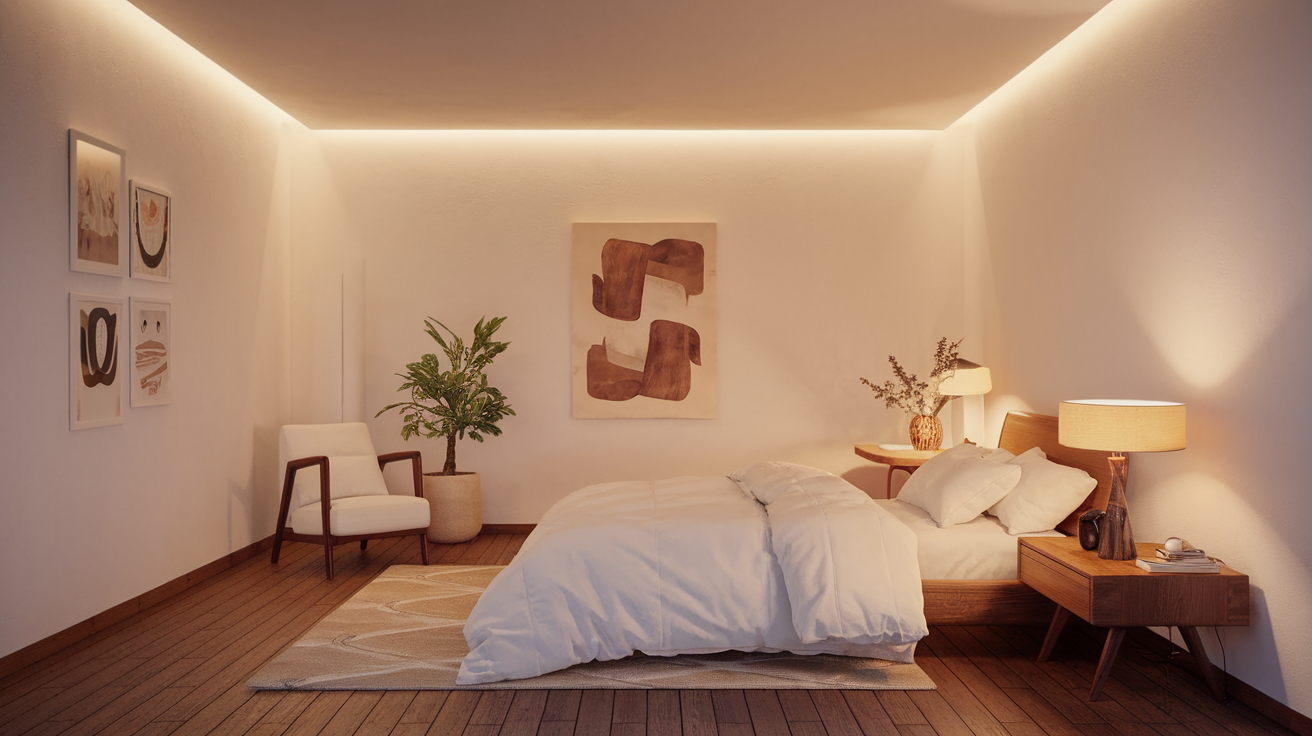
Creating a bedroom that feels both spacious and cozy might seem contradictory, but minimalist design proves these qualities can beautifully coexist. The secret lies in thoughtful choices that prioritize function, comfort, and visual tranquility over excess. A well-designed minimalist bedroom becomes more than just a place to sleep – it transforms into a personal sanctuary where clutter disappears and calm takes center stage.
The benefits of minimalist bedroom design extend far beyond aesthetics. Research shows that cluttered spaces can increase stress hormones and disrupt sleep quality, while simplified environments promote better rest and mental clarity. By removing visual distractions and focusing on essential elements, you create a space where your mind can truly unwind at the end of each day. This approach doesn’t mean your room needs to feel cold or empty – the right minimalist design actually enhances coziness through intentional choices and quality materials.
The following sections reveal five transformative design ideas that bring minimalist principles into your bedroom without sacrificing warmth or personality. From selecting the perfect color palette to choosing furniture that serves multiple purposes, these strategies help you craft a space that feels both serene and inviting. Ready to discover how less truly becomes more in bedroom design?
What Makes a Bedroom Truly Minimalist?
Understanding minimalist bedroom design starts with recognizing what this style actually means in practice. Many people mistakenly believe minimalism requires stark white walls and virtually empty rooms, but true minimalist design focuses on intentionality rather than emptiness. Every item in your space should serve a purpose, whether functional or aesthetic, and contribute to the overall sense of peace you’re creating.
Defining Minimalist Design Principles
The core philosophy behind minimalist bedrooms centers on removing excess to highlight what matters most. This doesn’t mean stripping your room bare – instead, you’re curating a space where each element has earned its place. Quality trumps quantity in every decision, from the thread count of your sheets to the craftsmanship of your furniture. The goal is creating an environment where nothing feels superfluous or distracting.
Visual breathing room plays a crucial role in achieving this aesthetic. Empty space isn’t wasted space; it’s an active design element that allows your eye to rest and your mind to relax. Think of negative space as the pause between musical notes – without it, you’d have noise instead of melody.
Balance Between Empty and Functional
Finding the sweet spot between sparse and practical requires careful consideration of your daily routines. Your bedroom needs to support your lifestyle while maintaining visual simplicity. Start by identifying the activities that happen in your bedroom beyond sleeping. Do you read before bed? Practice yoga in the morning? Work from a small desk in the corner? Each activity requires specific support, but not necessarily additional furniture.
Smart design choices can address multiple needs without adding clutter. A floating shelf might hold both your current book and a small plant, while a bench at the foot of your bed provides seating and stores extra blankets inside. The key lies in selecting pieces that work harder, allowing you to own less while living more comfortably.
Color Palettes That Work
Minimalist bedrooms typically feature muted, neutral color schemes that promote relaxation. Whites, creams, soft grays, and warm beiges create a calming foundation that won’t tire your eyes over time. These colors also reflect light beautifully, making your space feel larger and more open. However, minimalism doesn’t demand complete absence of color – subtle earth tones like sage green, dusty blue, or blush pink can add personality without overwhelming the space.
The 60-30-10 rule helps maintain visual balance: 60% of your room features your dominant neutral color, 30% introduces a secondary complementary shade, and 10% adds accent touches through textiles or artwork. This formula prevents monotony while preserving the serene atmosphere essential to minimalist design.
Essential vs. Non-Essential Items
Determining what belongs in your minimalist bedroom requires honest assessment of your needs versus wants. Essential items include your bed, appropriate storage for clothing, lighting, and perhaps one or two pieces that bring you genuine joy. Non-essentials might include decorative objects that collect dust, furniture you rarely use, or technology that disrupts sleep.
Consider these questions when evaluating items:
- Daily Use: Do you interact with this item regularly, or does it simply occupy space?
- Multiple Functions: Could one well-designed piece replace two or three single-purpose items?
- Visual Weight: Does this object contribute to or detract from the peaceful atmosphere?
- Maintenance Requirements: Will keeping this item clean and organized add stress to your routine?
Creating Intentional Spaces
Every corner of your minimalist bedroom should feel deliberate rather than default. This means considering not just what you place in the room, but how you arrange it. Furniture placement affects flow and energy – positioning your bed away from the door but with a clear view of it creates a sense of security without sacrificing openness.
Symmetry often features prominently in minimalist bedrooms because it naturally creates order and calm. Matching nightstands, balanced lighting, or artwork centered above the bed all contribute to this harmonious feeling. Yet perfect symmetry isn’t mandatory – deliberate asymmetry can add visual interest when executed thoughtfully.
The transition areas between different zones in your bedroom deserve special attention. If you have a reading corner or dressing area, define these spaces through strategic furniture placement or a simple area rug rather than adding walls or screens. This approach maintains openness while creating functional divisions.
How to Choose the Perfect Minimalist Color Scheme
Color profoundly impacts how you feel in your bedroom, influencing everything from your morning mood to your ability to fall asleep at night. Minimalist design harnesses this power through carefully selected palettes that promote tranquility without becoming boring. The right color scheme sets the foundation for every other design decision you’ll make.
Neutral Foundations
Starting with neutrals gives you maximum flexibility while maintaining the serene atmosphere minimalist bedrooms require. Think beyond basic white to discover a rich world of subtle variations. Warm whites with undertones of yellow or pink create a softer, more welcoming feeling than stark pure white. Cool whites with gray or blue undertones feel crisp and clean, perfect for rooms that receive abundant natural light.
Layering different shades of the same neutral adds depth without complexity. A room featuring ivory walls, linen bedding, and cream curtains feels cohesive yet dimensional. This tonal approach works particularly well in smaller bedrooms where too much contrast might feel jarring.
Working with Whites and Creams
White dominates minimalist design for good reason – it maximizes light, creates the illusion of space, and provides a blank canvas for subtle texture play. But living with white requires understanding its variations and how lighting affects perception. The same white paint can appear warm and creamy in morning light yet cool and gray by evening.
Test paint samples on multiple walls and observe them throughout the day before committing. Consider how your bedroom’s orientation affects light quality. North-facing rooms benefit from warmer whites to counteract cooler natural light, while south-facing spaces can handle crisper whites without feeling cold.
Maintaining white and cream spaces requires practical considerations too. Choose washable paint finishes for walls, and select bedding fabrics that can withstand regular laundering without yellowing. Performance fabrics have evolved significantly, offering durability without sacrificing the soft, natural textures minimalist bedrooms favor.
Adding Subtle Warmth
Pure minimalism can sometimes feel austere, but introducing warm elements prevents your bedroom from feeling clinical. Natural wood tones bring instant warmth through furniture or flooring. Light oak, ash, or bamboo complement neutral palettes beautifully while adding organic texture. Even small touches like wooden picture frames or a bedside tray introduce this warming element effectively.
Warm metals like brass, copper, or brushed gold offer another avenue for adding richness. A single brass lamp or copper drawer pulls can elevate the entire room without disrupting the minimalist aesthetic. These materials age beautifully, developing patina that adds character over time.
Textiles provide the easiest way to adjust warmth levels seasonally. Swapping crisp white summer sheets for oatmeal-colored flannel in winter maintains your minimalist palette while responding to comfort needs. This flexibility lets you adapt your space without permanent changes or additional storage requirements.
The Psychology of Calming Colors
Understanding how colors affect your nervous system helps you make informed choices about your bedroom palette. Blue tones have been scientifically proven to lower heart rate and blood pressure, making them ideal for sleep spaces. Soft, muted blues work wonderfully as accent colors in minimalist bedrooms, perhaps through artwork or a single throw pillow.
Green, particularly in its softer sage or eucalyptus variations, connects us to nature and promotes feelings of balance and renewal. These shades work beautifully in minimalist bedrooms because they add color without demanding attention. A pale sage accent wall behind your bed creates a focal point while maintaining serenity.
Earth tones like taupe, mushroom, and sand provide grounding energy that helps you feel centered and secure. These colors work particularly well for people who find pure white spaces too stark but still want to maintain minimalist principles.
Accent Colors That Don’t Overwhelm
Introducing color to a minimalist bedroom requires restraint and strategy. The key lies in choosing one accent color and using it sparingly but intentionally. This might mean a single piece of artwork, a throw blanket folded at the foot of your bed, or fresh flowers in a simple vase.
Consider these approaches for adding color thoughtfully:
- Natural Elements: Plants provide green accents that feel organic rather than decorative
- Textiles: A single colored cushion or throw adds warmth without permanent commitment
- Artwork: One carefully chosen piece creates a focal point without cluttering walls
- Books: A small stack of books with complementary spines adds both function and subtle color
Seasonal updates keep your space feeling fresh without accumulating items. Rotating a few key pieces – switching a navy throw for a terracotta one, or displaying different artwork – provides variety within your established minimalist framework.
The beauty of a well-chosen minimalist color scheme lies in its timelessness. While trends come and go, a thoughtfully selected palette of neutrals with carefully placed accents remains stylish and soothing year after year. This longevity aligns perfectly with minimalist values of quality, intentionality, and reduced consumption.
Which Furniture Pieces Create Maximum Impact?
Selecting furniture for a minimalist bedroom goes beyond simply choosing pieces with clean lines. Each item must earn its place through both function and form, contributing to the room’s serenity while meeting practical needs. The right furniture choices can transform even the smallest bedroom into a spacious retreat.
Platform Beds and Clean Lines
The bed dominates any bedroom’s visual landscape, making it the most important furniture decision you’ll make. Platform beds epitomize minimalist design with their low profiles and absence of unnecessary ornamentation. These sleek frames create a grounded feeling while maintaining visual lightness – the space beneath remains visible, preventing the heavy, blocked-in appearance of traditional bed frames with skirts or storage drawers.
Japanese-inspired platform beds take this concept further, often featuring slightly wider frames that extend beyond the mattress edges. This design creates subtle shelving for books, phones, or a glass of water, eliminating the need for bulky nightstands in smaller rooms. The extended platform also provides a place to sit while dressing, adding functionality without additional furniture.
Material choice significantly impacts the overall aesthetic. Natural wood platforms bring warmth and organic texture, while metal frames in matte black or white maintain an even more minimal profile. Upholstered platforms can work if you choose simple, geometric shapes in neutral fabrics – avoid tufting, nailhead trim, or other decorative details that complicate the visual landscape.
Smart Nightstand Solutions
Traditional nightstands often contribute unnecessary bulk to bedroom designs. Minimalist alternatives provide bedside storage without the visual weight. Floating shelves mounted at mattress height offer just enough space for essentials – a lamp, book, and perhaps a small dish for jewelry. This approach keeps floor space clear and maintains the room’s open feeling.
Wall-mounted sconces eliminate the need for table lamps, freeing surface space for items you actually use. Consider installing switches within easy reach of your bed, allowing you to control lighting without getting up. This seemingly small convenience enhances your room’s functionality while reducing furniture requirements.
For those who need more storage, a single narrow console or small dresser can replace dual nightstands. Position it on one side of the bed, using the surface for a lamp and few carefully chosen items. This asymmetrical approach often feels more modern and less formulaic than matching bedside tables.
Dresser Alternatives
Questioning whether you need a traditional dresser opens possibilities for more creative storage solutions. Built-in closet systems often provide superior organization while keeping bedroom floors clear. Investing in quality closet components – adjustable shelving, drawer inserts, and well-designed hanging systems – might eliminate the need for bedroom dressers entirely.
If your closet can’t accommodate everything, consider a low, horizontal dresser that can double as a bench or display surface. These pieces feel less imposing than tall dressers while providing substantial storage. Choose designs with simple hardware or integrated pulls that maintain clean lines.
A minimalist wardrobe naturally requires less storage space, making dresser alternatives more feasible. Implementing a capsule wardrobe approach – owning fewer, higher-quality pieces that coordinate well – aligns perfectly with minimalist bedroom design. This lifestyle shift solves storage challenges at their source rather than adding furniture to accommodate excess.
Open wardrobes or clothing racks can work in minimalist bedrooms when executed thoughtfully. Choose a sleek metal or wood frame, and maintain organization meticulously. Your clothing becomes part of the room’s visual design, so color coordination and neat presentation become essential. This approach works best for those who genuinely enjoy keeping their belongings pristinely organized.
Multi-functional Pieces
Furniture that serves multiple purposes embodies minimalist efficiency. An ottoman with internal storage provides seating, a surface for folding clothes, and hidden space for extra bedding. A bench at the foot of your bed offers a place to sit while dressing and can store seasonal items inside.
Consider unexpected multi-functional solutions. A ladder-style bookshelf leans against the wall without requiring mounting, provides display space for a few treasured items, and can hold blankets draped over its rungs. A slim writing desk might serve as both workspace and vanity, eliminating the need for separate pieces.
When evaluating multi-functional furniture, ensure each function genuinely serves your needs. A storage bench you never open or a desk you don’t use simply becomes expensive decoration. Better to choose single-purpose pieces you’ll actually utilize than multi-functional furniture whose extra features go unused.
Quality Over Quantity Approach
Investing in fewer, better-made pieces aligns with both minimalist philosophy and practical bedroom design. One excellently crafted bed frame that will last decades makes more sense than replacing cheaper alternatives every few years. This approach reduces long-term costs, environmental impact, and the hassle of furniture shopping.
Quality furniture often features superior materials and construction that age gracefully. Solid wood develops character over time, quality metals resist scratching and denting, and well-made upholstery maintains its shape and appearance through years of use. These pieces become longtime companions rather than temporary solutions.
Signs of quality furniture include:
- Solid Construction: Drawers glide smoothly, joints feel secure, and the piece doesn’t wobble
- Natural Materials: Real wood, genuine leather, or high-grade metals rather than veneers or composites
- Thoughtful Details: Finished backs, dust panels between drawers, and careful attention to hidden areas
- Timeless Design: Styles that transcend trends and remain relevant across decades
Research furniture makers known for craftsmanship and sustainability. Many smaller workshops create beautiful minimalist pieces using traditional techniques and responsibly sourced materials. While initially more expensive, these investments pay dividends through longevity and the daily pleasure of interacting with well-made objects.
Storage Solutions That Maintain Visual Calm
The difference between a cluttered bedroom and a minimalist sanctuary often comes down to storage strategy. Effective organization systems keep necessities accessible while maintaining the clean surfaces and open spaces that define minimalist design. The goal isn’t hiding everything away but creating logical homes for your belongings that feel intuitive and effortless to maintain.
Hidden Storage Ideas
Maximizing hidden storage allows you to own necessary items without sacrificing visual tranquility. The space under your bed offers prime real estate for storing out-of-season clothing, extra bedding, or items you access infrequently. Low-profile storage boxes on wheels make retrieval easy while keeping contents dust-free. Choose boxes in neutral colors that blend with your flooring if they’re partially visible.
Behind-door storage utilizes often-overlooked space effectively. Over-door hooks can hold robes or tomorrow’s outfit, while shallow shelving units designed for door mounting store accessories or toiletries. These solutions remain completely hidden when doors are closed, preserving your room’s minimal aesthetic.
Furniture with secret storage compartments provides another layer of organization. Headboards with built-in shelving hidden behind sliding panels, bed frames with lift-up mattress platforms revealing storage cavities, or mirrors that open to reveal jewelry storage all serve dual purposes without announcing their utility function.
Built-in Solutions
Custom built-ins represent a larger investment but offer unparalleled efficiency in minimalist bedrooms. Floor-to-ceiling storage along one wall can replace multiple pieces of freestanding furniture while creating a seamless, architectural look. When painted to match walls, built-ins virtually disappear, allowing the eye to perceive the room as larger and less cluttered.
Recessed shelving between wall studs provides display or storage space without protruding into the room. These installations work particularly well for books, small decorative objects, or frequently used items like skincare products. The key lies in maintaining restraint – just because you have shelving doesn’t mean every shelf needs filling.
Window seats with integrated storage below offer charming solutions that add character while serving practical purposes. These built-ins create cozy reading nooks during the day and store extra pillows, blankets, or seasonal items inside. The continuous line from wall to window maintains visual flow while maximizing every inch.
Consider working with a carpenter or closet design specialist to create custom solutions tailored to your specific needs and space constraints. While costlier upfront than off-the-shelf options, built-ins often increase property value while solving storage challenges permanently.
Under-bed Organization
The area beneath your bed represents valuable storage territory in minimalist bedrooms. Elevating your bed slightly with furniture risers creates additional clearance for storage containers without dramatically changing the bed’s visual height. Even an extra two inches can make the difference between fitting storage boxes comfortably or struggling with tight clearances.
Vacuum storage bags compress bulky items like winter comforters or sweaters to a fraction of their original size, maximizing under-bed storage capacity. Place compressed bags inside rigid containers to protect them and make sliding them in and out easier. Label containers clearly so you don’t need to pull everything out when searching for specific items.
Rolling storage drawers designed specifically for under-bed use provide easy access without requiring you to lift your mattress or crawl on the floor. Look for versions with quality wheels that glide smoothly on your flooring type. Some designs feature divided compartments, perfect for organizing smaller items like shoes or accessories.
Bed frames with integrated storage drawers offer the most convenient solution but require careful selection to maintain minimalist aesthetics. Choose designs where drawers sit flush with the frame rather than protruding, and opt for simple hardware or push-to-open mechanisms that eliminate visible pulls.
Closet Maximization
A well-organized closet can eliminate the need for bedroom furniture entirely, making it worth investing time and resources in optimization. Start by honestly evaluating your wardrobe and removing items you don’t wear. This editing process often reveals you need less storage than assumed.
Double hanging rods instantly double capacity for shorter items like shirts and jackets. Adjustable shelving systems adapt as your needs change, preventing wasted vertical space. Slim velvet hangers create uniform appearance while maximizing hanging space – their thin profiles and grippy surfaces mean clothes take up less room without slipping off.
Here are essential closet maximization strategies:
- Vertical Dividers: Keep folded items like sweaters and jeans neat and accessible
- Drawer Units: Provide closed storage for undergarments and accessories within the closet
- Shelf Risers: Create additional levels for folded items or shoes
- Back-of-door Storage: Holds belts, scarves, or frequently worn items
- Clear Containers: Make finding specific items easy without creating visual chaos
Maintaining closet organization requires consistent habits. Implement a one-in-one-out policy to prevent accumulation, and schedule seasonal reviews to reassess what you’re actually wearing. A perfectly organized closet means nothing if you can’t maintain it daily.
Keeping Surfaces Clear
Clear surfaces create the sense of space and calm that defines minimalist bedrooms. This doesn’t mean surfaces must remain completely empty – a few carefully chosen items can add personality without creating clutter. The key lies in being intentional about what earns surface space.
Establish designated homes for items that typically accumulate on surfaces. A small tray on your dresser corals everyday jewelry, while a wall-mounted charging station keeps devices and cords off nightstands. These simple systems prevent gradual accumulation that erodes minimalist aesthetics.
Nightly resets maintain surface clarity long-term. Spending five minutes before bed returning items to their designated spots prevents clutter buildup and ensures you wake to a serene space. This routine becomes automatic with practice, requiring minimal effort while delivering maximum visual impact.
Digital solutions can replace physical items that traditionally occupy bedroom surfaces. E-readers eliminate book stacks, phone alarms replace bedside clocks, and streaming services negate the need for entertainment equipment. While not everything needs digitizing, strategic substitutions can significantly reduce physical objects in your space.
The discipline of maintaining clear surfaces extends beyond mere aesthetics. Clutter-free surfaces are easier to clean, reduce dust accumulation, and create a sense of control and order that promotes better sleep. This practical benefit reinforces the value of investing effort in organization systems that work with your natural habits rather than against them.
Lighting and Textures That Add Warmth Without Clutter
Creating a cozy atmosphere in a minimalist bedroom requires mastering the interplay between light and texture. These elements add depth, warmth, and visual interest without introducing physical clutter. The right combination transforms a simple room into an inviting retreat that feels both sophisticated and comfortable.
Natural Light Maximization
Abundant natural light forms the foundation of any successful minimalist bedroom. Sunlight creates an ever-changing display throughout the day, adding visual interest without any decorative elements. Start by removing heavy window treatments that block light. Replace them with simple white or neutral curtains in lightweight fabrics that filter light while maintaining privacy.
Sheer curtains layered with blackout panels provide flexibility – full light during the day, complete darkness for sleeping. Mount curtain rods close to the ceiling and extend them beyond window frames. This technique makes windows appear larger and allows maximum light when curtains are open.
Mirror placement amplifies natural light without adding decorative clutter. A single large mirror positioned opposite or adjacent to windows doubles the light in your room while creating an illusion of expanded space. Choose simple frames or frameless designs that won’t compete for visual attention.
Window maintenance matters more than most people realize. Clean windows inside and out allow significantly more light to enter. Remove screens during months when windows stay closed – screens can reduce light transmission by up to 30%. These simple steps cost nothing but dramatically improve your room’s brightness and ambiance.
Layered Lighting Approach
After sunset, artificial lighting must recreate the warmth and variation that natural light provides. Layered lighting combines different sources to create depth and flexibility. Start with ambient lighting that provides overall illumination – this might be a simple ceiling fixture with a dimmer switch or cove lighting that washes walls with soft light.
Task lighting addresses specific needs without illuminating the entire room. Adjustable wall-mounted reading lights beside the bed eliminate the need for table lamps while providing focused light exactly where needed. Choose designs with minimal visual presence – thin arms and small shades that virtually disappear when not in use.
Accent lighting adds the warmth and personality that prevents minimalist spaces from feeling cold. A single floor lamp with a warm-toned bulb creates a gentle pool of light in a corner. LED strip lighting hidden behind headboards or under floating shelves provides ambient glow without visible fixtures.
Color temperature significantly affects bedroom atmosphere. Warm white bulbs (2700-3000K) create cozy, relaxing environments ideal for bedrooms. Avoid cool white or daylight bulbs that can feel harsh and clinical in evening settings. Smart bulbs that adjust color temperature throughout the day support natural circadian rhythms – cooler light in the morning for energy, warmer tones in evening for relaxation.
Texture Through Bedding
Bedding offers the perfect opportunity to introduce texture without adding clutter. Since you need sheets, blankets, and pillows anyway, choosing versions with interesting textures adds visual richness at no spatial cost. Linen sheets bring natural wrinkles and variation that feel relaxed yet sophisticated. Their texture improves with washing, becoming softer while maintaining character.
Layering different textures creates depth and interest. Combine smooth cotton sheets with a chunky knit throw, or pair crisp percale with a velvet cushion. These contrasts draw the eye and invite touch without requiring additional decorative objects.
The way you style bedding affects its textural impact. Rather than military-precise bed-making, allow some casual draping and natural wrinkles. This approach feels more inviting and less rigid while celebrating the inherent beauty of quality textiles. A perfectly imperfect bed suggests comfort and livability rather than museum-like untouchability.
Seasonal bedding changes provide variety without permanent additions. Summer might feature crisp cotton and lightweight linen, while winter introduces flannel sheets and wool blankets. Store off-season bedding in vacuum bags under the bed, maintaining your minimalist aesthetic while enjoying textural variety throughout the year.
Natural Materials
Incorporating natural materials adds warmth and connection to nature that synthetic materials can’t replicate. Wood, stone, wool, cotton, and linen all bring unique textures and subtle variations that prevent minimalist spaces from feeling sterile.
A single piece of natural wood furniture becomes a focal point that grounds the entire room. Whether it’s your bed frame, a small bench, or floating shelves, wood grain provides visual texture that changes with lighting conditions. Different wood species offer varying warmth levels – pale ash or birch maintains lightness while walnut or teak adds richness.
Natural fiber rugs define spaces and add softness underfoot without overwhelming visual simplicity. Jute, sisal, or wool rugs in neutral tones complement minimalist aesthetics while providing textural contrast to smooth flooring. Choose simple patterns or solid colors that won’t compete with your calm color palette.
Plants deserve special mention as living texture that also improves air quality. A single large plant like a fiddle leaf fig or monstera makes more impact than several small plants that create visual clutter. If maintaining plants feels daunting, a single branch in a simple vase provides natural sculpture that changes as it dries.
Creating Cozy Atmosphere
Warmth in minimalist bedrooms comes from thoughtful details rather than accumulated objects. Soft edges and rounded corners feel more inviting than sharp angles. Choose furniture with gentle curves, circular mirrors, or oval rugs to soften the room’s geometry.
Creating a cozy minimalist atmosphere involves these key elements:
- Soft Lighting: Multiple light sources at different heights prevent harsh shadows
- Warm Colors: Even within a neutral palette, choose warm undertones over cool ones
- Comfortable Textiles: Invest in high-quality bedding that feels luxurious against skin
- Personal Touches: One or two meaningful items add soul without creating clutter
- Consistent Temperature: Good insulation and climate control enhance physical comfort
Scent contributes to coziness without adding visual elements. A small essential oil diffuser or naturally scented candle in a simple container provides aromatherapy benefits while maintaining minimal aesthetics. Choose calming scents like lavender, eucalyptus, or vanilla that promote relaxation.
Sound quality affects perceived warmth too. Soft furnishings and textiles absorb echo, preventing the cold acoustic quality of empty rooms. A thick rug, upholstered headboard, or heavy curtains all contribute to better sound quality while serving their primary functions.
The ultimate goal isn’t creating a magazine-worthy space but crafting a bedroom that welcomes you at day’s end. Through thoughtful use of lighting and texture, your minimalist bedroom becomes proof that simplicity and comfort aren’t mutually exclusive – they’re actually perfect partners in creating the serene, cozy retreat you deserve.
Your Path to Peaceful Minimalist Living
Transforming your bedroom into a minimalist haven doesn’t require dramatic overnight changes or expensive renovations. The journey toward a more serene sleeping space begins with small, intentional decisions that gradually reshape your environment. Start with one area – perhaps clearing your nightstand or organizing your closet – and let the calm that follows motivate further simplification. As you experience the mental clarity that comes from visual simplicity, you’ll naturally want to extend these principles throughout your space.
The beauty of minimalist bedroom design lies not in perfection but in creating a space that truly serves your needs for rest and renewal. Your bedroom should reflect your personal interpretation of minimalism, whether that means keeping a stack of beloved books on your nightstand or displaying one piece of artwork that brings you joy. The principles we’ve explored – thoughtful color choices, multi-functional furniture, smart storage, and warm textures – provide a framework, but your lifestyle and preferences should guide the final decisions. What matters most is that each element in your room contributes to the peaceful atmosphere you’re seeking, helping you begin and end each day in a space that feels like a genuine retreat from the world’s complexity.
Frequently Asked Questions
Q: Can a minimalist bedroom still feel cozy and warm?
A: Absolutely! Coziness in minimalist bedrooms comes from soft textures, warm lighting, and natural materials rather than numerous decorative items. Layer different textiles, use warm-toned bulbs, and incorporate wood elements to create an inviting atmosphere without clutter.
Q: How do I start transitioning to a minimalist bedroom if I currently have lots of stuff?
A: Begin with one small area like your nightstand or dresser top. Clear everything off, then only return items you use daily. Gradually expand this process to other areas, removing items that don’t serve a purpose or bring genuine joy. Take your time – rushing leads to regret and rebound clutter.
Q: What’s the ideal color palette for a minimalist bedroom?
A: Neutral colors like white, cream, gray, and beige create the perfect foundation. Add warmth through natural wood tones or subtle earth colors like sage green or dusty pink. Stick to a maximum of three colors to maintain visual calm.
Q: Do I need to get rid of all my decorations for a minimalist bedroom?
A: Not necessarily. Minimalism means being intentional, not living in an empty box. Keep one or two pieces that truly matter to you, like a special photograph or artwork. The key is ensuring each decorative item earns its place through meaning or beauty.
Q: How can I add storage without making my bedroom look cluttered?
A: Focus on hidden storage solutions like under-bed containers, built-in wardrobes, or furniture with concealed compartments. Keep surfaces clear by establishing designated homes for everything, and choose storage that matches your wall color to minimize visual impact.
Q: What kind of bedding works best in a minimalist bedroom?
A: Choose high-quality bedding in neutral colors with interesting textures. Linen, cotton percale, or bamboo sheets in white, gray, or natural tones work beautifully. Layer different textures for visual interest without adding pattern or bright colors.
Q: Can I have a minimalist bedroom in a small space?
A: Small spaces actually benefit most from minimalist design! Focus on multi-functional furniture, utilize vertical storage, and keep the color palette light to maximize the sense of space. Clear floors and surfaces make even tiny rooms feel more spacious.
Q: How do I maintain a minimalist bedroom once I’ve achieved it?
A: Develop daily habits like making your bed each morning and returning items to their designated spots each night. Implement a one-in-one-out policy for new purchases, and schedule quarterly reviews to remove items that have accumulated or no longer serve you.