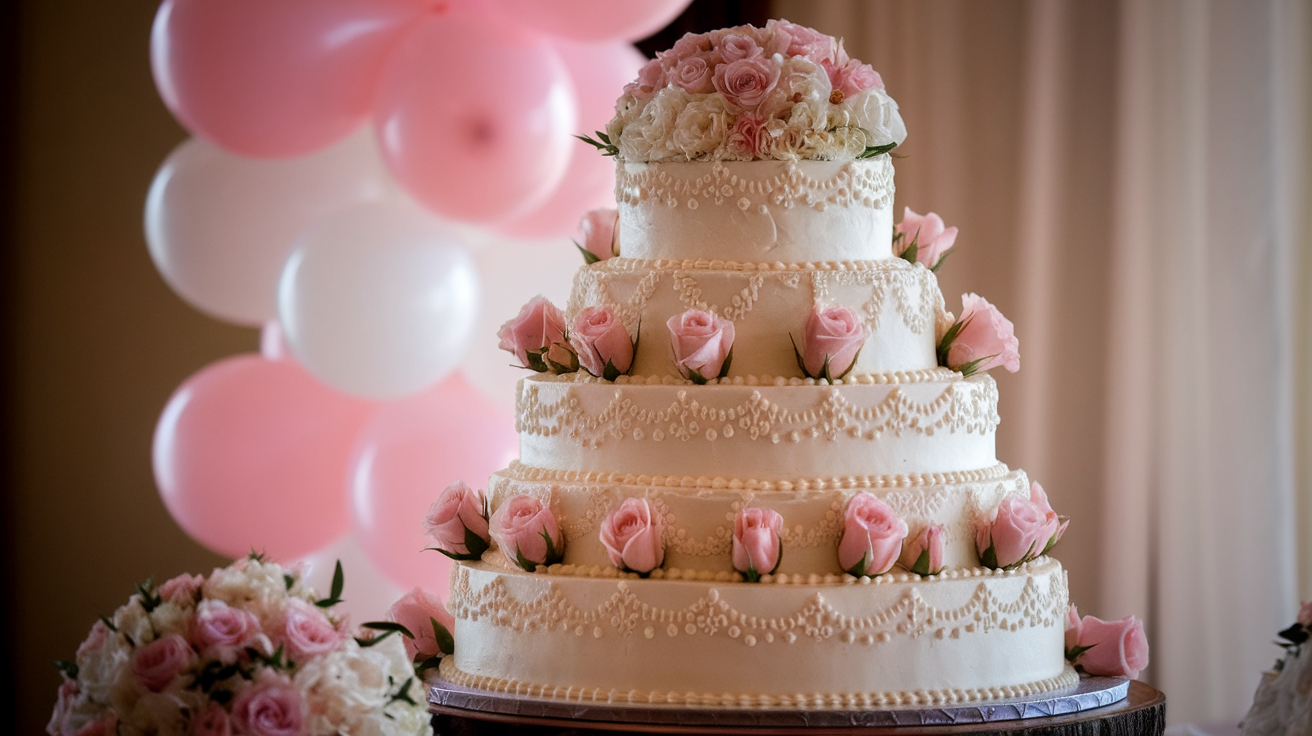
Wedding cakes have transformed dramatically from the traditional white-tiered confections your grandmother might recognize. Today’s modern bride seeks designs that reflect her personal style, whether that means minimalist elegance, artistic expression, or botanical beauty. The shift toward contemporary cake design represents more than just aesthetic preference – it signals a broader movement toward personalized, meaningful wedding celebrations that break free from conventional expectations.
The modern wedding cake serves as both dessert and art installation, creating memorable moments beyond the ceremonial cutting. Contemporary designs prioritize clean lines, unexpected textures, and innovative decorating techniques that challenge traditional notions of what a wedding cake should look like. From naked cakes that celebrate natural beauty to geometric masterpieces that could belong in an art gallery, today’s options offer something for every style-conscious bride.
In the following sections, we’ll explore five stunning design categories that define modern wedding cakes. Each approach offers unique possibilities for personal expression while maintaining the celebratory spirit essential to your special day. Whether you prefer understated elegance or bold artistic statements, these contemporary designs prove that wedding cakes can be both delicious and visually revolutionary. Let’s discover which modern cake design will make your wedding unforgettable.
What Makes a Wedding Cake Design Truly Modern?
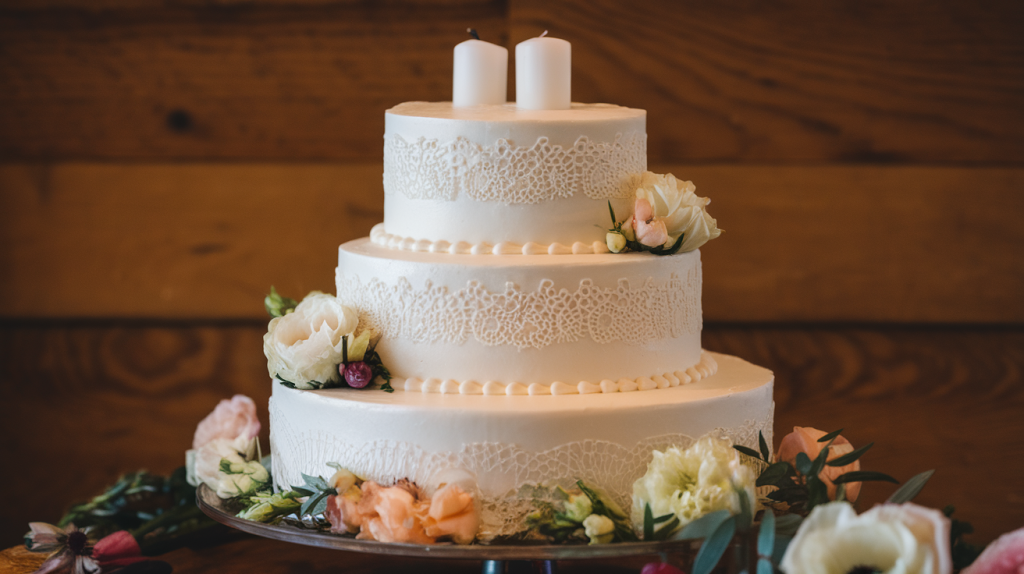
Modern wedding cake design breaks away from the frilly, overly decorated styles that dominated previous decades. Today’s contemporary cakes focus on intentional simplicity, where every element serves a purpose rather than adding unnecessary embellishment. This shift reflects broader design trends across fashion, architecture, and lifestyle choices that favor authenticity over artifice.
Clean Lines and Geometric Shapes
The foundation of modern cake design starts with structure. Sharp, clean edges replace the soft, rounded tiers of traditional cakes. Square and hexagonal shapes offer architectural interest that circular tiers can’t achieve. These geometric forms create visual impact through their precision rather than through excessive decoration.
Professional bakers achieve these crisp edges through meticulous smoothing techniques and specialized tools. The result looks deceptively simple, yet requires significant skill to execute properly. Each angle must be perfect, as there’s no frosting roses or pearl borders to hide imperfections.
Minimalist Decorating Techniques
Less truly becomes more in contemporary cake decoration. Instead of covering every surface with piped details, modern designs might feature a single dramatic element – perhaps a cascade of fresh flowers down one side or a bold geometric pattern on just one tier. This restraint creates sophistication that busy designs can’t match.
The minimalist approach also allows the cake’s flavors to shine. Without heavy fondant or excessive buttercream roses, guests can actually taste the carefully chosen cake and filling combinations. This philosophy aligns with the modern food movement’s emphasis on quality ingredients over elaborate presentation.
Contemporary Color Palettes Beyond White
While white remains classic, modern cakes explore the full spectrum of color possibilities. Dusty pastels, deep jewel tones, and even black cakes make striking statements. Some designs incorporate unexpected color combinations that would have seemed unthinkable for wedding cakes just a decade ago.
Color blocking techniques borrowed from fashion and graphic design create bold visual interest. A cake might feature tiers in graduating shades of blush to burgundy, or contrast matte black fondant with metallic gold accents. These choices reflect the couple’s personality rather than adhering to traditional wedding color rules.
Texture Play and Unexpected Materials
Modern designs experiment with texture in fascinating ways. Smooth fondant might be paired with roughly textured buttercream, creating dynamic contrast. Some bakers incorporate edible materials that mimic concrete, marble, or even fabric textures. These unexpected elements transform cakes into sculptural pieces.
Metallic finishes have become particularly popular, with edible gold leaf, silver dust, and copper accents adding luxury without traditional ornamentation. These materials catch light beautifully in photographs while maintaining the clean aesthetic modern couples prefer.
The Role of Negative Space in Design
Perhaps the most revolutionary aspect of modern cake design is the intentional use of negative space. Rather than filling every surface with decoration, contemporary designs leave areas deliberately bare. This breathing room allows decorative elements to make stronger statements.
Negative space also creates visual balance that prevents designs from feeling overwhelming. A single sugar flower placed strategically on an otherwise undecorated tier has more impact than dozens of flowers covering the entire cake. This principle applies whether working with minimalist or more elaborate modern designs.
Understanding these foundational elements helps you communicate effectively with your baker about your vision. Modern design isn’t about following rigid rules but rather about intentional choices that create cohesive, striking results.
Naked and Semi-Naked Cakes: The Art of Less Is More
The naked cake trend revolutionized wedding desserts by stripping away excess to reveal natural beauty underneath. These designs celebrate the cake itself rather than hiding it beneath layers of frosting. What started as a rustic alternative has evolved into a sophisticated choice for modern weddings across all style spectrums.
Understanding the Naked Cake Aesthetic
A true naked cake features exposed layers with little to no frosting on the exterior. The filling between layers remains visible, creating horizontal stripes of cream, fruit, or ganache against the golden cake. This transparency offers honesty – you see exactly what you’re getting, which appeals to couples who value authenticity.
Semi-naked cakes strike a balance between fully frosted and completely bare. A thin layer of buttercream, called a crumb coat, partially covers the cake while still allowing glimpses of the layers beneath. This technique offers more flexibility for decoration while maintaining the unfussy appeal of naked designs.
The beauty of these cakes lies in their imperfection. Unlike fondant-covered cakes that demand flawless surfaces, naked versions celebrate natural texture and organic shapes. Each cake becomes unique, with its own character defined by how the layers stack and how the filling settles between them.
How to Achieve the Perfect Crumb Coating
Creating a semi-naked cake requires specific techniques to achieve that perfectly imperfect look. The process starts with thoroughly chilled cake layers, which hold their shape better during assembly. Your baker will apply a generous amount of filling between layers, allowing some to squeeze out naturally at the edges.
The crumb coat application determines the final appearance. Using an offset spatula, bakers spread thin buttercream across the surface, then scrape most of it away. This leaves just enough coverage to smooth rough spots while maintaining transparency. The technique requires practice to achieve the right balance – too much scraping leaves bare patches, while too little defeats the semi-naked effect.
Temperature control proves crucial throughout the process. Chilling the cake between steps prevents layers from sliding and helps buttercream set properly. Professional bakers often work in temperature-controlled environments to ensure consistent results, especially during warmer months when these designs can be challenging to execute.
Fresh Flowers Versus Sugar Flowers
Decorating naked cakes requires thoughtful consideration of materials. Fresh flowers remain the most popular choice, as their natural beauty complements the cake’s organic aesthetic. Roses, peonies, and ranunculus work particularly well, offering texture and color without overwhelming the simple design.
Sugar flowers provide an alternative for couples wanting longer-lasting decorations or specific blooms out of season. Modern sugar flower techniques create incredibly realistic results that photograph beautifully. These handcrafted elements can be kept as keepsakes, adding sentimental value beyond the wedding day.
When using fresh flowers, food safety becomes paramount. Not all flowers are edible or safe for direct food contact. Your baker should use flower picks or food-safe barriers to prevent contamination. Organic, pesticide-free blooms are essential when flowers will touch any edible surface.
Seasonal Fruit Arrangements
Fresh fruit adds color, texture, and flavor to naked cake designs. Summer weddings might feature cascading berries, while autumn celebrations could incorporate figs, grapes, or pomegranate seeds. The fruit serves both decorative and practical purposes, complementing the cake’s flavors while providing visual interest.
Fruit placement requires artistic consideration. Random scattering can look messy, while overly precise arrangements feel forced. The most successful designs find balance, with fruit appearing naturally placed yet intentionally composed. Varying sizes and colors creates depth that flat decorations can’t achieve.
Consider how fruit will hold up throughout your event. Berries can release juice that stains buttercream, while cut fruit may brown if exposed too long. Your baker should advise on the best options for your timeline and venue conditions. Some couples choose to add fruit just before serving to ensure peak freshness.
Balancing Rustic Charm with Modern Elegance
The key to a successful naked cake for a modern wedding lies in elevated execution. While the concept seems simple, the difference between homemade-looking and professionally stunning comes down to details:
Quality Ingredients: Premium butter, chocolate, and extracts make noticeable differences in naked designs where flavors can’t hide.
Precise Layers: Even thickness and level stacking create the clean lines that distinguish professional work.
Thoughtful Styling: Coordinating cake stands, serving utensils, and table settings complete the design vision.
Strategic Lighting: These cakes photograph best in natural light or soft, warm artificial lighting that highlights texture.
Complementary Elements: Surrounding decor should enhance rather than compete with the cake’s simplicity.
Modern naked cakes prove that sophistication doesn’t require elaborate decoration. By focusing on quality, craftsmanship, and thoughtful styling, these designs create memorable centerpieces that feel both timeless and thoroughly contemporary.
Geometric and Architectural Cake Designs

Geometric wedding cakes transform traditional tiers into modern sculptures that command attention through bold shapes and precise angles. These architectural designs draw inspiration from contemporary art, modern buildings, and graphic design principles. The result creates dramatic focal points that feel more like art installations than desserts.
Working with Hexagons, Squares, and Angular Tiers
The shift from round to angular cake shapes immediately signals modern design. Hexagonal tiers offer a fresh alternative that maintains elegance while adding visual intrigue. These six-sided shapes create interesting shadows and highlights that change as guests move around the cake, making it dynamic from every angle.
Square and rectangular tiers provide the sharpest departure from tradition. These shapes require exceptional skill to execute properly, as any imperfection in angles becomes immediately apparent. The payoff comes in the striking silhouettes these cakes create, especially when tiers are offset or rotated to create asymmetrical compositions.
Some designs combine multiple shapes within a single cake. A round base might support a hexagonal middle tier topped with a square layer. This mixing of geometries creates complexity without requiring excessive decoration. The shapes themselves become the primary design element.
Working with angular tiers also opens possibilities for unconventional stacking. Tiers might be positioned at angles, creating diagonal lines that draw the eye upward. Some designs feature tiers that appear to float or balance precariously, though hidden supports ensure stability. These gravity-defying arrangements push the boundaries of what wedding cakes can be.
Metallic Accents and Modern Finishes
Metallic elements have become signatures of contemporary cake design. Gold leaf applied in geometric patterns creates luxurious effects without traditional ornate detailing. Silver and copper tones offer alternatives that coordinate with different wedding palettes. These metallic touches catch light beautifully, adding dimension to otherwise simple designs.
The application of metallics requires precision to maintain the geometric theme. Rather than random placement, gold leaf might form perfect triangles or follow the edges of hexagonal tiers. Some designs feature metallic drips that follow mathematical patterns rather than natural flows. This controlled application maintains the architectural feel.
Modern finishes extend beyond metallics to include unexpected textures. Concrete-effect buttercream creates industrial chic appeal, while mirror glazes provide ultra-glossy surfaces that reflect surrounding decor. Some bakers experiment with velvet spray techniques that give cakes matte finishes resembling fabric or stone.
Creating Visual Interest Through Asymmetry
While traditional wedding cakes emphasize perfect symmetry, geometric modern designs often intentionally break this rule. Asymmetrical designs feel fresh and unexpected, challenging viewers’ expectations. This approach requires careful planning to ensure the design feels intentional rather than accidental.
Asymmetry might manifest through tier placement, with each layer offset from the one below. Or it could appear in decoration, with geometric patterns concentrated on one side while the other remains bare. Some designs feature tiers of vastly different heights, creating dramatic proportional contrasts.
The key to successful asymmetrical design lies in maintaining balance despite the lack of symmetry. Visual weight must be distributed thoughtfully – a heavily decorated section might be balanced by negative space elsewhere. This requires an artistic eye and understanding of design principles that go beyond traditional cake decorating.
The Impact of Sharp Edges Versus Soft Curves
The interplay between sharp angles and gentle curves creates sophisticated contrast in geometric designs. A cake might feature razor-sharp fondant edges on angular tiers while incorporating curved design elements in the decoration. This juxtaposition prevents designs from feeling too harsh or cold.
Some modern geometric cakes soften their angles through color gradients or textured finishes. Others maintain strict angularity throughout, creating bold statements that demand attention. The choice depends on the overall wedding aesthetic and the couple’s personal style preferences.
These contrasts can also appear in the transition between tiers. Sharp-edged hexagons might rest on round separator plates, or angular decorations might cascade over curved tier edges. These unexpected combinations keep designs interesting and prevent them from feeling too rigid or predictable.
Color Blocking Techniques for Bold Statements
Geometric cakes provide perfect canvases for color blocking, a technique borrowed from fashion and graphic design. Instead of gradual color transitions, these designs feature distinct sections of solid color with clear boundaries. The effect is bold, modern, and undeniably striking.
Color blocking might follow the cake’s geometric structure, with each face of a hexagon in a different shade. Or it might ignore the structure entirely, with diagonal color bands crossing multiple tiers. Some designs feature just two high-contrast colors, while others incorporate entire rainbow spectrums in organized progressions.
The technique works particularly well with modern wedding palettes that move beyond traditional pastels. Deep navy paired with blush pink, or emerald green with gold, create sophisticated combinations. Even monochromatic schemes become interesting through color blocking, using various shades of the same hue in distinct sections.
Executing color blocking requires precise fondant work or expert buttercream application. The lines between colors must be crisp and clean to maintain the geometric aesthetic. Any bleeding or uneven edges will disrupt the design’s impact. This precision is what separates professional geometric cakes from amateur attempts.
Watercolor and Artistic Expression Cakes

Watercolor wedding cakes bring fine art techniques to edible canvases, creating designs that look like they belong in galleries rather than reception halls. These cakes transform traditional decorating into artistic expression, with each one becoming a unique masterpiece. The organic flow of colors and the unpredictability of the medium make every cake one-of-a-kind.
Hand-Painted Techniques for Cakes
The process of hand-painting cakes requires both artistic skill and technical knowledge of edible mediums. Bakers use food-safe colors diluted with clear alcohol or lemon extract to create paint-like consistencies. These solutions allow colors to flow and blend on fondant surfaces, mimicking watercolor effects on paper.
Different brush techniques create varied effects. Dry brushing adds texture and depth, while wet-on-wet application allows colors to bleed together naturally. Some artists use sponges for soft, diffused backgrounds or palette knives for bold strokes. The fondant surface must be properly prepared to accept the paint without beading or running.
The beauty of hand-painted cakes lies in their imperfection and spontaneity. Unlike piped decorations that require uniform precision, painted designs celebrate the artist’s hand. Visible brushstrokes add character and movement that machine-perfect decorations can’t replicate. Each stroke tells part of the story, creating designs that feel alive and dynamic.
Artists often work from inspiration images provided by couples – perhaps artwork from their home, fabric from the wedding dress, or natural landscapes from meaningful locations. The interpretation of these references through edible paint creates deeply personal designs that reflect the couple’s journey together.
Marbling Effects with Buttercream
Buttercream marbling offers another artistic approach that creates stunning visual effects. This technique involves blending multiple colors of buttercream directly on the cake surface, creating patterns reminiscent of marble stone or abstract art. The process requires confidence and speed, as buttercream begins setting quickly once applied.
The marbling process starts with applying different colored buttercreams in strategic patterns. Using various tools – spatulas, combs, or even feathers – bakers blend and swirl the colors together. The key is knowing when to stop; overworking the buttercream results in muddy colors rather than distinct marbled patterns.
Some designs incorporate metallic elements into the marbling, adding veins of gold or silver that catch light. Others use complementary colors that create vibrant contrasts when swirled together. The technique works equally well with subtle, tonal variations or bold, high-contrast color combinations.
Temperature control proves crucial for successful marbling. The buttercream must be at the perfect consistency – too warm and colors blend completely, too cold and they won’t move smoothly. Professional bakers often work in climate-controlled spaces to maintain optimal conditions throughout the decorating process.
Abstract Designs That Tell Your Story
Abstract cake designs offer unlimited possibilities for personal expression. Rather than literal representations, these cakes use color, texture, and form to convey emotions and experiences. A cake might feature swirls of blue and green representing the ocean where a couple met, or bold geometric patterns inspired by the city where they fell in love.
The abstraction allows for multiple interpretations, making these cakes conversation starters at receptions. Guests might see different things in the designs, creating engaging discussions about art and meaning. This interactive element adds another dimension to the cake-cutting ceremony.
Creating meaningful abstract designs requires collaboration between couples and bakers. Initial consultations might involve sharing photos, color swatches, or even music that represents the relationship. The baker then translates these inspirations into edible art, creating designs that feel personal without being literal.
Some couples choose to incorporate actual artwork into their cake designs. A favorite painting might be reinterpreted in buttercream, or patterns from meaningful textiles might appear in fondant work. These references create layers of meaning that make the cake more than just dessert.
Incorporating Ombre Gradients
Ombre effects create smooth color transitions that add depth and movement to cake designs. Unlike sharp color blocking, ombre blends seamlessly from light to dark or between different hues. This technique works beautifully with watercolor aesthetics, creating dreamy, romantic effects.
Achieving perfect ombre requires patience and technique. Whether working with buttercream or fondant, the gradient must be smooth and even. Any visible lines or abrupt transitions disrupt the effect. Bakers use various tools and techniques to blend colors, from airbrush systems to careful hand-blending with spatulas.
Ombre can be subtle, using variations of a single color, or dramatic, transitioning through multiple hues:
Monochromatic Ombre: Various shades of one color create elegant, sophisticated effects
Sunset Ombre: Warm colors blend from yellow through orange to deep red or purple
Ocean Ombre: Cool blues and greens evoke water and serenity
Metallic Ombre: Gradients from white through silver to deep pewter add luxury
Rainbow Ombre: Full spectrum transitions create joyful, celebratory designs
The direction of the gradient also impacts the design. Vertical ombre draws the eye upward, making cakes appear taller. Horizontal gradients create bands of color that can make tiers appear wider. Diagonal or spiral gradients add movement and energy to designs.
When Art Meets Edible Design
The convergence of fine art and cake decorating has elevated wedding cakes beyond mere confections. These artistic cakes require bakers who are equal parts pastry chef and artist. Many contemporary cake designers have formal art training, bringing techniques from painting, sculpture, and design to their edible creations.
The artistic approach extends beyond surface decoration to the cake’s overall composition. Proportions follow artistic principles like the golden ratio. Color choices consider color theory and emotional impact. Even the cake’s placement and presentation are carefully orchestrated to maximize visual impact.
These artistic cakes often become wedding highlights, with guests gathering to admire and photograph them before cutting. Some couples arrange special lighting to highlight their cake’s artistic elements. Others coordinate the cake table styling to create gallery-like presentations that honor the cake as artwork.
The investment in artistic cake design goes beyond monetary cost. These cakes require significant time for planning, sketching, and execution. Multiple consultations ensure the final design captures the couple’s vision while remaining structurally sound and delicious. The result justifies the effort, creating memorable centerpieces that guests discuss long after the wedding ends.
Pressed Flower and Botanical Modern Cakes

Botanical wedding cakes bring natural beauty indoors through carefully preserved florals and organic elements. This design approach combines modern minimalism with romantic garden aesthetics, creating cakes that feel both contemporary and timeless. The technique of pressing flowers onto cakes transforms delicate blooms into permanent art, capturing nature’s ephemeral beauty in edible form.
Selecting the Right Florals for Pressing
Not all flowers work equally well for pressing onto cakes. The best candidates have relatively flat profiles and hold their color when dried. Pansies, violas, and cosmos provide excellent results with their naturally flat faces and vibrant hues. Small roses, when carefully separated into individual petals, create romantic cascades down tiered cakes.
The timing of flower selection matters significantly. Blooms should be picked at their peak, neither too young nor past their prime. Morning harvesting, after dew has dried but before afternoon heat, yields the best results. Flowers with thick, fleshy petals like tulips or lilies generally don’t press well, as they retain too much moisture and can discolor or mold.
Consider the symbolic meaning of chosen flowers. Lavender represents devotion, while daisies symbolize innocence and purity. Incorporating flowers with personal significance – perhaps from a meaningful location or family garden – adds emotional depth to the design. Some couples choose flowers that appeared in their proposal setting or from their first date location.
Professional bakers often work with florists to source the highest quality blooms for pressing. Organic, pesticide-free flowers are essential since they’ll be in direct contact with edible surfaces. Some specialty suppliers grow flowers specifically for culinary use, ensuring both safety and optimal pressing characteristics.
Placement Techniques for Maximum Impact
The arrangement of pressed flowers on cakes requires artistic vision and technical precision. Random scattering rarely creates the desired effect; instead, thoughtful composition guides successful designs. Flowers might cascade asymmetrically down one side, creating movement and drama. Alternatively, they might form geometric patterns that complement modern cake shapes.
Creating depth involves layering flowers at different points during the decorating process. Some blooms might be pressed directly onto fondant, while others are added to buttercream surfaces. This dimensional approach prevents designs from appearing flat or stuck-on. Overlapping petals and leaves creates natural, garden-inspired arrangements.
The scale of flowers relative to cake size needs careful consideration. Tiny blooms can get lost on large tiers, while oversized flowers might overwhelm smaller cakes. Mixing flower sizes creates visual interest and helps guide the eye across the design. Smaller blooms fill gaps between statement flowers, creating cohesive compositions.
Negative space plays a crucial role in botanical cake design. Leaving areas undecorated allows the flowers to stand out and prevents overwhelming the overall design. This breathing room is particularly important with pressed flowers, whose delicate nature can be lost in overly busy arrangements.
Combining Pressed Flowers with Other Modern Elements
Pressed flowers need not stand alone on modern cakes. Combining them with contemporary design elements creates sophisticated, multi-dimensional designs. Geometric gold leaf patterns might frame delicate floral arrangements, or watercolor washes could provide subtle backgrounds for botanical elements.
Textural contrasts enhance botanical designs. Smooth fondant surfaces make pressed flowers appear to float, while roughly textured buttercream provides organic backgrounds that complement natural elements. Some designs incorporate both, using smooth and textured areas to create distinct zones on the cake.
Color coordination between flowers and other decorative elements requires careful planning. Pressed flowers often fade slightly from their fresh colors, so bakers must anticipate these changes when selecting complementary decoration colors. Metallic accents in rose gold or copper often pair beautifully with the muted tones of pressed botanicals.
Modern botanical cakes might also incorporate non-floral natural elements. Pressed ferns or leaves add texture and movement. Dried grasses provide vertical lines that contrast with round flower shapes. Even pressed herbs like rosemary or thyme can add unexpected aromatic elements to designs.
Creating Seasonal Botanical Stories
Each season offers unique botanical possibilities for wedding cakes. Spring designs might feature cherry blossoms, forget-me-nots, and tender green leaves. Summer cakes showcase roses, sweet peas, and lavender. Autumn brings preserved maple leaves, baby’s breath, and golden grasses. Winter designs might incorporate evergreen sprigs, silver dollar eucalyptus, and white hellebores.
Seasonal designs go beyond flower selection to encompass overall color palettes and styling approaches. Spring cakes often feature soft pastels and delicate arrangements. Summer designs might be more abundant and colorful. Autumn cakes incorporate warm earth tones and textured elements. Winter designs tend toward minimalism with strategic placement of botanical elements.
The preservation method can vary by season as well. Summer flowers might be pressed and dried traditionally, while winter designs might incorporate preserved or crystallized elements. Some bakers use special techniques to maintain green colors in leaves or to add shimmer to petals, enhancing the seasonal feel.
Preservation Methods for Edible Flowers
The process of preserving flowers for cake decoration involves several techniques, each producing different effects:
Traditional Pressing: Flowers are placed between absorbent paper and weighted down for several weeks
Microwave Pressing: Speeds the process to minutes while maintaining color vibrancy
Silica Gel Drying: Preserves three-dimensional shape better than flat pressing
Crystallizing: Coating flowers with egg white and sugar creates sparkly, preserved blooms
Freeze Drying: Maintains original shape and color but requires specialized equipment
Each preservation method affects the final appearance and application method on cakes. Traditionally pressed flowers lie flat against surfaces, perfect for fondant applications. Crystallized flowers add texture and sparkle, working well as tier toppers or focal points. Freeze-dried flowers maintain dimension, creating more dramatic decorative elements.
Food safety remains paramount when working with botanical elements. Even edible flowers must be properly cleaned and prepared before use. Any flowers treated with pesticides or other chemicals cannot be used on cakes. Clear documentation of flower sources and handling procedures protects both bakers and clients.
Storage of preserved flowers requires careful attention to humidity and temperature. Too much moisture causes deterioration, while excessive dryness makes flowers brittle and difficult to work with. Professional bakers maintain controlled storage environments to ensure botanical elements remain in perfect condition until application.
The rise of botanical modern cakes reflects broader trends toward natural, sustainable wedding celebrations. These designs connect couples to nature while maintaining sophisticated, contemporary aesthetics. Each botanical cake becomes a preserved garden, capturing a moment in time through the permanent beauty of pressed flowers.
Your Sweet Ending
Modern wedding cake designs have revolutionized how couples celebrate their unions through edible art. From minimalist naked cakes to elaborate botanical creations, contemporary styles offer unprecedented opportunities for personal expression. These five design categories – from understanding modern aesthetics to exploring geometric shapes, watercolor artistry, and pressed botanicals – provide frameworks for creating cakes that are both visually stunning and deeply meaningful.
The beauty of modern wedding cake design lies not in following rigid trends but in finding the approach that resonates with your unique story. Whether you gravitate toward architectural precision or organic flow, minimal decoration or artistic expression, today’s cake artists can bring your vision to life. Your wedding cake should feel like a natural extension of your celebration’s overall aesthetic while standing as its own remarkable creation. The perfect modern wedding cake doesn’t just taste incredible – it captures the essence of your partnership in sugar, flour, and artistry, creating a centerpiece that guests will remember long after the last bite.
Frequently Asked Questions
Q: How far in advance should I book a baker for a modern wedding cake design?
A: Most specialty bakers recommend booking 3-6 months in advance, especially for complex geometric or hand-painted designs that require extensive planning and preparation time.
Q: Are modern wedding cakes more expensive than traditional designs?
A: Pricing varies by complexity rather than style. Simple naked cakes might cost less than traditional designs, while intricate geometric or hand-painted cakes requiring specialized skills may cost more.
Q: Can pressed flower cakes be made in advance?
A: The cake itself is made fresh, but pressed flowers can be prepared weeks ahead. Most bakers apply botanical elements 24-48 hours before the wedding for optimal appearance.
Q: Will geometric cakes work for outdoor summer weddings?
A: Sharp edges and metallic finishes can be challenging in heat. Your baker should recommend appropriate structural supports and may suggest modifications like using heat-stable buttercream instead of fondant.
Q: How do I choose between fresh and sugar flowers for my modern cake?
A: Fresh flowers offer natural beauty and often cost less, but sugar flowers last forever as keepsakes and allow for out-of-season blooms. Consider your priorities regarding budget, preservation, and specific flower availability.
Q: Can watercolor techniques be done on buttercream instead of fondant?
A: While fondant provides the best canvas for painted effects, skilled bakers can create watercolor-inspired designs using colored buttercream techniques, though the effect will be slightly different.
Q: What flavors pair best with modern cake designs?
A: Modern designs accommodate any flavor combination. Popular contemporary choices include lavender honey, champagne strawberry, and matcha white chocolate – flavors that match the innovative exterior designs.
Q: Do naked cakes dry out faster than frosted cakes?
A: Yes, exposed cake can dry more quickly. Professional bakers use syrup soaks and moisture-rich recipes to combat this, and cakes are typically assembled closer to serving time.