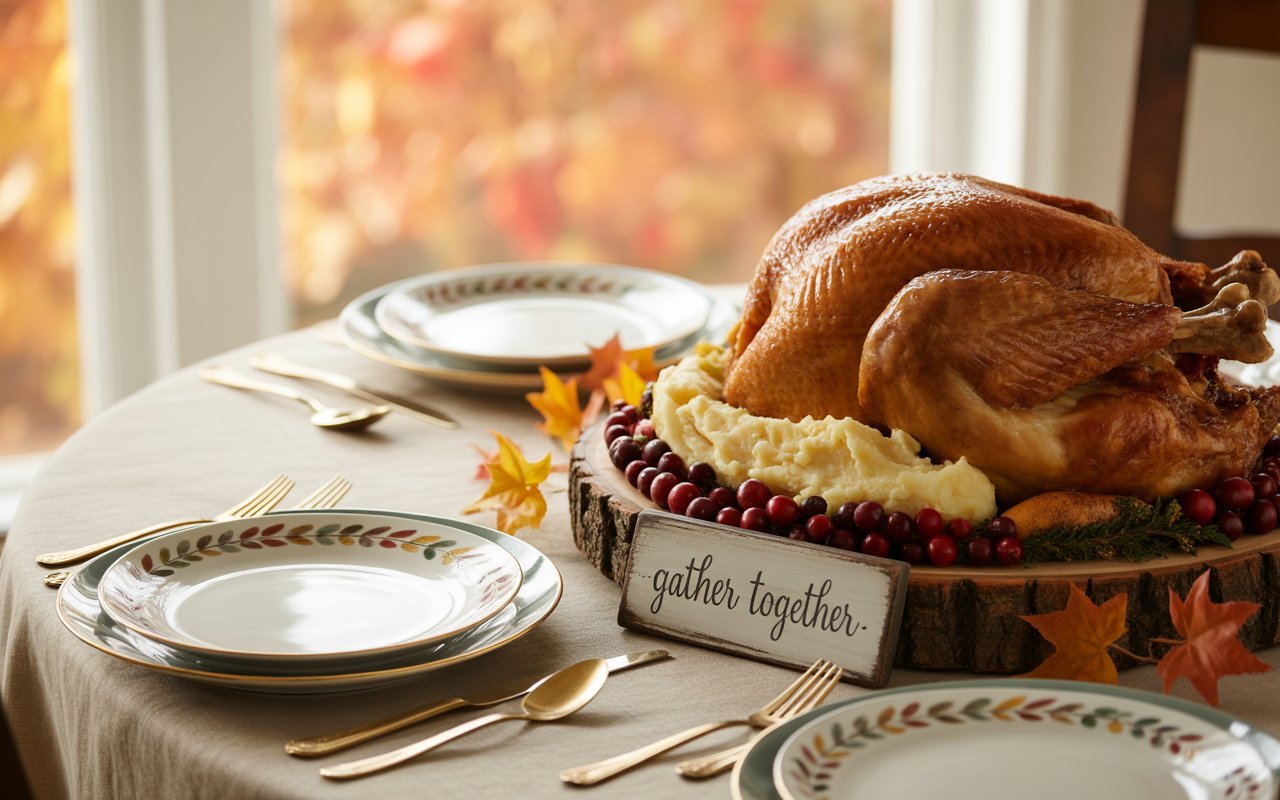
Thanksgiving brings families together around tables filled with delicious food and cherished traditions. The way you decorate your table sets the entire tone for this special gathering, transforming an ordinary meal into a memorable celebration. A beautifully decorated table doesn’t just look impressive in photos – it creates an atmosphere where gratitude flows naturally and conversations linger long after dessert.
Your table decorations speak volumes about the care you put into hosting. They welcome guests before the first dish arrives and make everyone feel special. Whether you prefer elegant sophistication or cozy comfort, the right decorations turn your dining space into the heart of the celebration. From centerpieces that catch every eye to tiny details that surprise and delight, thoughtful table styling shows your loved ones how much this gathering means to you.
The following sections will guide you through creating a stunning Thanksgiving table that reflects your personal style while honoring tradition. You’ll discover how to use natural elements, craft impressive centerpieces, and add those special touches that make your table unforgettable. Let’s transform your dining space into something truly spectacular that your guests will remember long after the holiday ends.
What Makes a Thanksgiving Table Truly Beautiful
Color Palettes That Capture Autumn
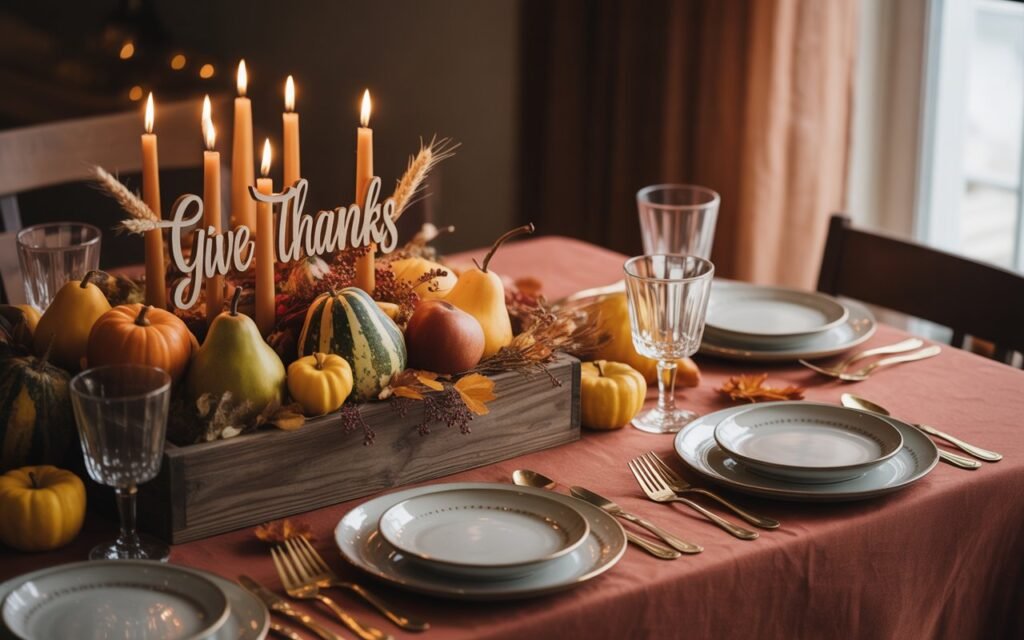
The foundation of any stunning Thanksgiving table starts with choosing colors that reflect the season’s natural beauty. Rich burgundies, burnt oranges, and golden yellows instantly transport guests into an autumnal mood. These warm tones work wonderfully together, creating depth and visual interest across your table setting.
Beyond the traditional fall palette, consider unexpected combinations that still feel seasonal. Deep plums paired with soft sage greens offer sophistication while maintaining that harvest feeling. Creamy whites mixed with copper accents provide elegance without overwhelming the senses. The key lies in selecting three to four colors maximum – any more risks looking chaotic rather than cohesive.
Your color choices should complement your dining room’s existing palette. If your walls are neutral, you have freedom to go bold with table colors. For rooms already featuring strong colors, subtle autumn shades prevent visual competition. Think about how natural light changes throughout the day too, as afternoon sunlight can dramatically alter how your chosen colors appear.
Balancing Elegance with Warmth
Creating a table that feels both refined and welcoming requires careful consideration. Formal elements like crystal glassware and silver serving pieces add sophistication, while softer touches like linen napkins and wooden chargers bring comfort. The goal is making guests feel special without feeling stiff or uncomfortable.
Mix high and low elements strategically. Perhaps your grandmother’s china pairs beautifully with rustic wooden candlesticks from the local craft fair. Or maybe those elegant chargers look perfect topped with simple white plates and handwritten place cards. This combination approach creates visual interest while keeping the atmosphere relaxed.
Working with Your Existing Dinnerware
You don’t need to purchase entirely new place settings to create a gorgeous Thanksgiving table. Your everyday dishes can become extraordinary with thoughtful styling. White plates serve as blank canvases for colorful food and decorative elements. Even mismatched vintage pieces can look intentional when tied together with consistent napkins or centerpiece colors.
Layer different pieces to add dimension. Start with chargers, add dinner plates, then salad plates, creating height and visual appeal. If your dinnerware feels plain, jazz it up with decorative napkin rings, colorful glassware, or patterned table runners. Small additions transform basic table settings into something special without breaking your budget.
Setting the Right Mood with Lighting
Lighting transforms everything about your table’s atmosphere. Natural daylight works beautifully for afternoon gatherings, but most Thanksgiving dinners extend into evening hours. Candles remain the gold standard for creating warm, flattering light that makes everyone look their best. Mix various heights of candles down your table’s center for dynamic visual appeal.
Overhead lighting should be dimmed to complement rather than compete with candlelight. If you have a chandelier, consider adding a dimmer switch or using lower wattage bulbs for the occasion. String lights draped above or around the dining area add magical ambiance without overwhelming the space. Battery-operated LED candles offer worry-free alternatives for households with young children or pets.
Pay attention to shadows too. Position candles so they illuminate faces rather than casting unflattering shadows. Test your lighting setup the night before to make adjustments. The perfect lighting makes food look more appetizing, conversations feel more intimate, and the entire evening feel more special.
Natural Elements That Transform Your Table

Thanksgiving’s connection to harvest makes natural elements perfect decoration choices. These organic materials bring authenticity and seasonal charm without requiring extensive crafting skills or expensive purchases.
Using Seasonal Foliage Creatively
Fresh autumn leaves scattered along your table runner create instant seasonal appeal. Choose leaves in various stages of color change for visual diversity – some still showing green edges while others display full golden or crimson hues. Press them briefly between paper towels under heavy books if you want them lying flat, or let them curl naturally for more organic movement.
Magnolia leaves offer unexpected elegance with their glossy green tops and velvety brown undersides. Spray them lightly with gold or copper paint for subtle shimmer, or leave them natural for understated sophistication. These hardy leaves last throughout your celebration without wilting, unlike more delicate options.
Incorporating Pumpkins and Gourds
Mini pumpkins and decorative gourds serve multiple purposes on your Thanksgiving table. White pumpkins bring contemporary elegance, while traditional orange varieties offer classic charm. Mix sizes and colors for visual interest – tiny Jack-Be-Littles nestled between larger sugar pumpkins create appealing contrast.
Transform small pumpkins into unique serving vessels or vases. Hollow out mini pumpkins to hold individual flower arrangements at each place setting. Medium pumpkins become stunning soup tureens or bread bowls. Even unopened decorative gourds add texture and interest when grouped in odd numbers along your table.
Consider painting some pumpkins in metallic tones to match your color scheme. Gold, silver, or copper paint applied sparingly creates sophisticated accents. Alternatively, wrap pumpkins in decorative paper or fabric secured with twine for a softer look. These decorated pumpkins transition beautifully from table to mantel after dinner.
Working with Pinecones and Acorns
These woodland treasures cost nothing if you collect them yourself, yet they add tremendous texture and seasonal character. Pinecones work wonderfully as natural place card holders – simply tuck name cards between the scales. For added elegance, brush pinecone tips with white paint to simulate frost or dust them with glitter.
Acorns scattered among other decorations provide delightful detail that rewards closer inspection:
Natural Finish: Leave them exactly as found for authentic woodland charm
Painted Caps: Dip just the caps in metallic paint while keeping bases natural
Gilded Beauties: Completely coat in gold or copper spray paint for glamorous accents
Glitter Touches: Add sparkle to caps only for subtle shine
Color Coordination: Paint in your chosen table colors for perfect matching
Fill clear glass vessels with layers of acorns and pinecones for simple yet effective decorations. Add battery-operated fairy lights within the vessels for magical illumination. These arrangements work equally well as centerpieces or accent pieces throughout your table.
Creating Height with Branches
Tall branches add dramatic vertical interest to low table arrangements. Curly willow branches offer sculptural beauty with their twisted forms, while straight birch branches provide clean lines and interesting bark texture. Arrange them in tall vases weighted with sand or stones for stability.
Spray paint branches to coordinate with your color scheme or leave them natural for organic appeal. Hang lightweight ornaments, place cards, or small LED lights from branch tips for added interest. During daylight, branches cast beautiful shadows across your table, adding another decorative element.
Mixing Textures from Nature
Combining different natural textures creates visual depth that keeps eyes moving across your table. Smooth river rocks contrast beautifully with rough tree bark. Soft moss provides cushioning for harder elements like nuts or seedpods. Dried wheat stalks add movement and golden color.
Layer these textures thoughtfully. Perhaps a burlap runner topped with eucalyptus garland, punctuated by smooth white pumpkins and rough-textured artichokes. Or combine glossy chestnuts with matte dried hydrangeas and shimmery preserved leaves. This textural variety makes your table feel abundant and carefully curated.
Don’t forget about dried flowers and herbs. Lavender bundles tied with ribbon add fragrance and soft purple tones. Dried orange slices bring citrus notes and translucent beauty. Cinnamon stick bundles provide spicy scent and rich brown color. These aromatic additions engage multiple senses, making your table memorable beyond its visual appeal.
DIY Centerpieces That Wow Your Guests
Creating your own centerpiece allows complete customization while keeping costs manageable. These handmade focal points become conversation starters and show the personal effort you’ve invested in making the day special. The beauty of DIY lies in crafting something uniquely yours that no other table will feature.
Simple Candle Arrangements
Candles form the foundation of countless centerpiece designs because they provide both beauty and function. Group pillar candles of varying heights on a wooden tray, surrounding them with coffee beans, cranberries, or small autumn leaves. This straightforward approach looks polished yet takes minutes to assemble.
Floating candles offer another easy option with impressive results. Fill a low, wide bowl with water, add cranberries and sliced oranges, then float tea lights on top. The fruit adds color while the water magnifies the candlelight’s glow. For safety, ensure floating candles are specifically designed for water use.
Hurricane lamps protect flames while allowing creative filling opportunities. Place a pillar candle inside, then fill the space between candle and glass with candy corn, dried beans, or colorful autumn leaves. Change the filler material to match your color scheme or use mixed materials for added interest. These protected flames stay lit despite drafts from opening doors or passing dishes.
Harvest-Inspired Focal Points
Build a centerpiece that celebrates abundance using grocery store produce and garden materials. Start with a low wooden box or vintage crate as your base. Fill it with a mix of apples, pears, and pomegranates, adding grape clusters to drape over edges. Tuck autumn leaves between fruits for color contrast.
Cornucopias remain classic for good reason – they symbolize plenty while providing structure for arrangements. Fill a wicker horn with mixed nuts in their shells, dried corn, mini pumpkins, and fall flowers. Let materials spill onto the table for that abundant feeling. Modern versions using metallic or ceramic cornucopias update this traditional symbol.
Mixing Flowers with Produce
Combining fresh flowers with fruits and vegetables creates unexpectedly sophisticated arrangements. Hollow out a large pumpkin or squash to serve as your vase. Fill with water and arrange sunflowers, roses, and mums inside. The contrast between delicate petals and sturdy produce adds visual intrigue.
Artichokes make stunning additions to floral arrangements. Their sculptural form and subtle green-gray color complement both bright and muted flower palettes. Place whole artichokes at the base of arrangements or cut them in half to reveal their intricate interior patterns. Small cabbages, particularly purple varieties, offer similar architectural interest.
When selecting flowers, choose varieties that last without water for short periods. Chrysanthemums, roses, and carnations hold up well during long dinners. Add herbs like rosemary or sage for fragrance and textural variety. These edible additions connect your centerpiece to the meal itself.
Creating Conversation Starters
Design centerpieces that encourage interaction and discussion. Create a gratitude tree using branches in a tall vase with paper leaves where guests write what they’re thankful for. Throughout dinner, people can read leaves aloud, sparking meaningful conversations.
Photo centerpieces celebrate family history while decorating your table. Arrange framed family photos among candles and small pumpkins, focusing on pictures from past Thanksgivings or autumn gatherings. Guests love spotting themselves or relatives in old photos, generating stories and laughter.
Budget-Friendly Showstoppers
Stunning centerpieces don’t require expensive materials. Fill mason jars with layers of dried beans, lentils, and split peas for colorful striped effects. Top with simple tea lights for warm illumination. Total cost stays under ten dollars for multiple jars.
Paper bag luminaries cost pennies but create magical ambiance. Cut autumn leaf shapes from brown lunch bags, place battery-operated tea lights inside, and line them down your table’s center. The soft glow through cut-outs casts leaf shadows across your table.
Transform cardboard into elegant decorations with metallic spray paint. Cut leaf shapes from cardboard boxes, spray gold or copper, and arrange along your table. Add dimension by slightly bending leaves for natural curves. These lightweight decorations won’t damage table surfaces and store flat for next year.
Repurpose everyday items creatively. Wine bottles become candlesticks with taper candles inserted in necks. Coffee filters dyed with tea or coffee transform into vintage-looking roses. Even children’s crafts from school make charming additions when incorporated thoughtfully into adult decorations.
Small Details That Make Big Impact
The difference between a nice table and an unforgettable one often lies in thoughtful details that might seem minor individually but create magic collectively. These finishing touches show careful planning and consideration for each guest’s experience.
Napkin Presentations That Impress
Napkins offer prime opportunity for creativity without major investment. Simple folds can transform plain linens into decorative elements. The classic fan fold stands napkins upright in glasses, adding height and elegance. For something different, roll napkins and tie with raffia threaded through a cinnamon stick – functional decoration with delightful scent.
Napkin rings don’t require purchasing special items. Wind fresh rosemary springs into circles, securing with thin wire, for aromatic rings guests can take home. Tie napkins with wide velvet ribbon, tucking in single autumn leaves or small flower stems. Even simple twine wrapped multiple times creates rustic charm when finished with a small charm or mini pinecone.
Place Card Ideas with Personality
Place cards do more than indicate seating – they make each guest feel personally welcomed. Write names on kraft paper tags tied to mini pumpkins that double as favors. For elegant options, calligraphy on autumn leaves creates natural beauty. Press leaves first, write names with gold marker, then spray with sealant to preserve.
Creative holders eliminate the need for standard card stands. Stand cards in the tines of vintage forks for whimsical charm. Slice a small slit in apple tops to hold cards – choose apple varieties that won’t brown quickly. Wine corks cut lengthwise with a groove on top become rustic holders that guests can keep.
Include conversation starters on place card backs. Write questions like “What’s your favorite Thanksgiving memory?” or “If you could invite anyone to dinner, who would it be?” These prompts help unfamiliar guests connect and keep conversation flowing during dinner.
Creative Ways to Display Menu Cards
Menu cards elevate your dinner from casual to special occasion. Handwrite or print your menu on quality cardstock, listing each course to build anticipation. Stand menus in small picture frames at each table end, or create individual mini menus at each place setting.
For unique presentations, write menus on large autumn leaves using permanent marker. Alternatively, transfer menus onto fabric using iron-on transfers, creating keepsake napkins guests can take home. Chalkboard displays offer flexibility for last-minute menu changes while adding farmhouse charm.
Consider these creative menu display options:
Pumpkin Printing: Write directly on white pumpkins with permanent marker
Scroll Style: Roll menu cards and tie with ribbon for elegant presentation
Window Panes: Write on old window frames with glass markers for vintage appeal
Cutting Boards: Use wood burning or permanent marker on mini cutting boards
Kraft Paper Runner: Write the entire menu down your table runner’s length
Adding Sparkle Without Overdoing It
Strategic sparkle adds celebration without looking garish. Scatter metallic confetti leaves sparingly along your runner – less truly is more here. Battery-operated copper wire lights woven between centerpiece elements provide gentle twinkle without fire hazard.
Mercury glass votives reflect candlelight beautifully while maintaining sophistication. If you don’t own mercury glass, create the effect yourself by spraying regular glass with mirror spray paint, dabbing off excess for that aged appearance. These pieces work year-round, making them worthwhile investments.
Metallic touches should enhance, not dominate. Perhaps gold-painted acorn caps mixed among natural ones, or copper-painted tips on pinecones. Single gold-dipped feathers at each place setting add glamour without overwhelming. The goal remains supporting your overall design rather than competing for attention.
Personal Touches for Each Guest
Individual surprises at each place setting show thoughtfulness that guests remember. Small potted herbs serve as place markers and parting gifts – especially meaningful if you’ve grown them yourself. Tie name tags to pots with instructions for winter care.
Gratitude cards placed at each setting encourage participation in giving thanks. Provide pretty cards where guests write what they’re grateful for, later reading them aloud during dessert. This tradition creates meaningful moments while giving you keepsakes from the gathering.
Family photos specific to each guest add sentimental value. Place childhood photos of guests at their seats, or pictures of them from previous Thanksgivings. These personal touches spark memories and conversations while making everyone feel specially considered.
Small favors need not be expensive. Fill muslin bags with mulling spices for guests to take home. Include the recipe on attached tags. Homemade cookies in cellophane bags tied with ribbon show effort without straining budgets. Even simple thank you notes expressing gratitude for their presence make guests feel valued.
Setting Different Table Styles This Year
Your Thanksgiving table should reflect your personal aesthetic while making guests comfortable. Different styling approaches suit various homes and gatherings, from formal dinners to casual family meals.
Modern Minimalist Approach
Clean lines and restrained color palettes define modern Thanksgiving tables. Choose a monochromatic scheme – perhaps varying shades of cream and white – with one bold accent color like deep burgundy or forest green. This sophisticated approach lets food become the primary visual interest.
Geometric elements add contemporary appeal. Angular candle holders, square plates, and linear centerpieces create cohesion. A single row of white pumpkins down the table’s center, interspersed with cylindrical candles, provides structure without clutter. Every element should have purpose and breathing room around it.
Textures become crucial when color is limited. Mix smooth ceramics with nubby linen, polished metal with natural wood. These tactile contrasts add depth without compromising the minimalist aesthetic. Even your flower choices should be architectural – think white orchids or sculptural branches rather than full, round bouquets.
Keep decorative elements low to maintain clean sightlines across the table. Nothing should obstruct conversation or views. This restraint creates calm, sophisticated atmosphere where food and company take center stage. The absence of visual noise allows meaningful connections to flourish.
Rustic Farmhouse Charm
Farmhouse style celebrates imperfection and history. Mix weathered wood, vintage linens, and galvanized metal for authentic appeal. Your table might include your grandmother’s china alongside flea market finds, creating stories within your setting.
Burlap runners or vintage grain sacks provide textured foundations. Layer white dishes on wooden chargers, using mason jars for drinking glasses. Wildflowers arranged loosely in milk bottles or tin cans add unpretentious beauty. This style values sentiment over perfection.
Include unexpected elements like vintage cutting boards as trivets or old books stacked to create height for displays. Transferware plates in brown and cream tell their own stories. Mismatched chairs around the table add to the collected-over-time feeling that defines farmhouse style.
Traditional Elegance Reimagined
Classic Thanksgiving elements receive fresh updates in this approach. Start with traditional foundations – china, crystal, silver – but add unexpected twists. Perhaps your formal place settings sit atop modern geometric chargers, or traditional damask napkins are held with contemporary acrylic rings.
Rich jewel tones replace expected autumn oranges. Deep emerald, sapphire, and amethyst create luxury while maintaining seasonal appropriateness. Gold accents tie everything together, appearing in flatware, candlesticks, and subtle decoration details. This palette photographs beautifully and flatters every skin tone.
Formality doesn’t mean stuffiness. Include playful elements like place cards written on beautiful paper in calligraphy but with fun nicknames instead of formal names. Or serve traditional dishes in unexpected vessels – cranberry sauce in crystal champagne coupes, perhaps. These surprises keep formal settings feeling fresh and current.
Casual Family-Style Arrangements
Family-style service encourages passing dishes and conversation. Design your table to accommodate large platters and serving bowls. Keep centerpieces low and narrow, leaving space for food to take center stage. This approach works particularly well for families with children who need room to maneuver.
Practicality guides decisions here. Choose washable table linens and unbreakable dishes if young children attend. Paper napkins in beautiful patterns eliminate laundry while adding color. Focus budget on elements that enhance comfort – cushions for chairs, good lighting, and maybe background music.
Make the table interactive. Set out craft supplies for kids to decorate their own place mats while adults prepare dinner. Include conversation starter cards appropriate for all ages. This casual approach doesn’t mean careless – thoughtful planning creates relaxed elegance that puts everyone at ease.
Mixing Styles Successfully
Combining different design styles creates unique, personalized tables. Perhaps you love farmhouse’s warmth but prefer modern’s clean lines. Use a crisp white tablecloth with geometric fold napkins, then add rustic wooden candlesticks and vintage bottles as vases. This fusion reflects real life where inherited pieces mix with new purchases.
The key to successful mixing lies in finding common elements. Colors can unify disparate styles – that Victorian glass comport works beautifully with mid-century plates if they share similar hues. Or use consistent materials across different style periods, like incorporating wood elements in both rustic and modern pieces.
Scale and proportion matter when mixing styles. Avoid overwhelming delicate antiques with oversized contemporary pieces. Instead, balance visual weight throughout your table. A substantial farmhouse table can support both hefty pottery and delicate crystal when arranged thoughtfully.
Don’t attempt to mix every style you love in one table setting. Choose two, maybe three influences maximum, and commit fully to that combination. This focused approach creates intentional design rather than chaotic accumulation. Your table tells a cohesive story even with varied elements.
Your Table, Your Celebration
Creating a beautiful Thanksgiving table doesn’t require professional design skills or unlimited budgets. The most memorable tables reflect the personalities and values of those who gather around them. Whether you prefer elegant sophistication or comfortable casualness, the care you put into preparation shows loved ones they matter. Your thoughtfully decorated table becomes the backdrop for gratitude, laughter, and connection that define this holiday.
Focus on what brings you joy rather than following every trend or tradition. Maybe that means using your children’s handprint turkey artwork as centerpieces, or perhaps it involves bringing out the fine china you inherited. The perfect Thanksgiving table is one where everyone feels welcome, conversation flows naturally, and memories are made. Trust your instincts, have fun with the process, and remember that the warmth of your hospitality matters more than any decoration ever could.
Frequently Asked Questions
Q: How far in advance can I set up Thanksgiving table decorations?
A: Non-perishable decorations like candles, pumpkins, and dried elements can be arranged 2-3 days ahead. Fresh flowers and cut foliage should be added the morning of Thanksgiving. Set the actual table with plates and silverware the night before to reduce day-of stress.
Q: What should I do if my dining table is too small for elaborate centerpieces?
A: Focus on vertical elements that don’t take up surface space. Use tall, narrow vases with branches, hang decorations from the ceiling above the table, or create a beautiful sideboard display instead. Individual mini arrangements at each place setting work wonderfully for tight spaces.
Q: How can I decorate beautifully on a very tight budget?
A: Nature provides free decorations through fallen leaves, pinecones, and branches. Use items you already own in new ways – books as risers, scarves as runners, or clear glasses filled with pantry items like dried beans. Print free downloadable place cards and menus from online sites rather than purchasing them.
Q: Should Thanksgiving decorations match my home’s usual style?
A: Your table should feel cohesive with your space rather than completely different. If your home is modern, adapt Thanksgiving elements to that aesthetic rather than forcing traditional rustic decorations. Use your regular color palette as a starting point, adding seasonal touches that complement rather than clash.
Q: How do I keep centerpieces from blocking conversation?
A: Keep arrangements below eye level when guests are seated – generally under 12 inches tall for the main portion. Use multiple small arrangements instead of one large one, or create a garland-style centerpiece that runs the table’s length but stays low. Test sight lines by sitting in different chairs before guests arrive.
Q: What’s the best way to incorporate candles safely with children present?
A: Battery-operated LED candles provide ambiance without fire risk. If using real candles, place them in hurricane lamps or tall glass cylinders where little hands can’t reach. Consider flameless window candles or string lights as alternatives that still create warm lighting.
Q: How can I make my table Instagram-worthy for photos?
A: Natural lighting is crucial – photograph your table near windows during daylight hours. Create varying heights with your decorations for visual interest. Include organic elements like flowing fabric or cascading greenery for movement. Take photos from different angles, including overhead shots and close-ups of special details.
Q: What should I do with decorations after Thanksgiving?
A: Many elements transition beautifully into Christmas decorating. Pinecones, candles, and metallic accents work for both holidays. Preserve special leaves by pressing them for next year. Compost natural elements, and pack non-perishables carefully for reuse. Document your table with photos to remember successful combinations.