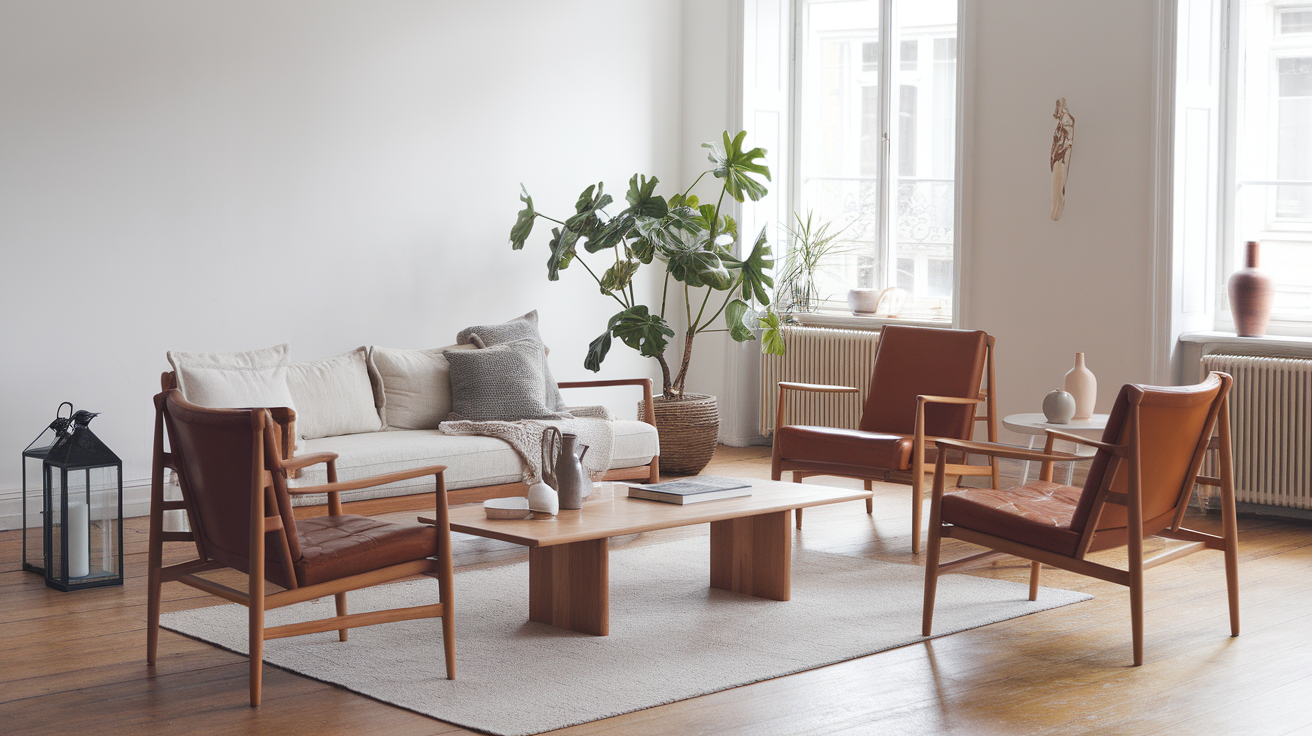
Scandinavian design has captured the hearts of homeowners worldwide with its perfect balance of simplicity and warmth. This Nordic approach to interior design transforms living spaces into serene sanctuaries where functionality meets beauty. The style originated in the Nordic countries during the 1950s, born from a desire to create bright, comfortable homes that could withstand long, dark winters while maintaining an uncluttered aesthetic.
The magic of Scandinavian living rooms lies in their ability to feel both minimal and inviting simultaneously. Clean lines, neutral colors, and natural materials form the foundation, while thoughtful details add personality without overwhelming the space. This design philosophy proves that you don’t need excessive decoration or bold colors to create a stunning home – sometimes less truly is more.
Nordic-inspired living rooms offer practical solutions for modern living while maintaining timeless appeal. Whether you’re working with a spacious area or a compact apartment, these design principles adapt beautifully to any setting. Let’s explore how you can bring this sophisticated yet comfortable style into your own home, covering everything from color palettes to furniture selection, texture layering, and lighting strategies that will transform your living room into a stylish Scandinavian retreat.
What Makes a Living Room Truly Scandinavian?
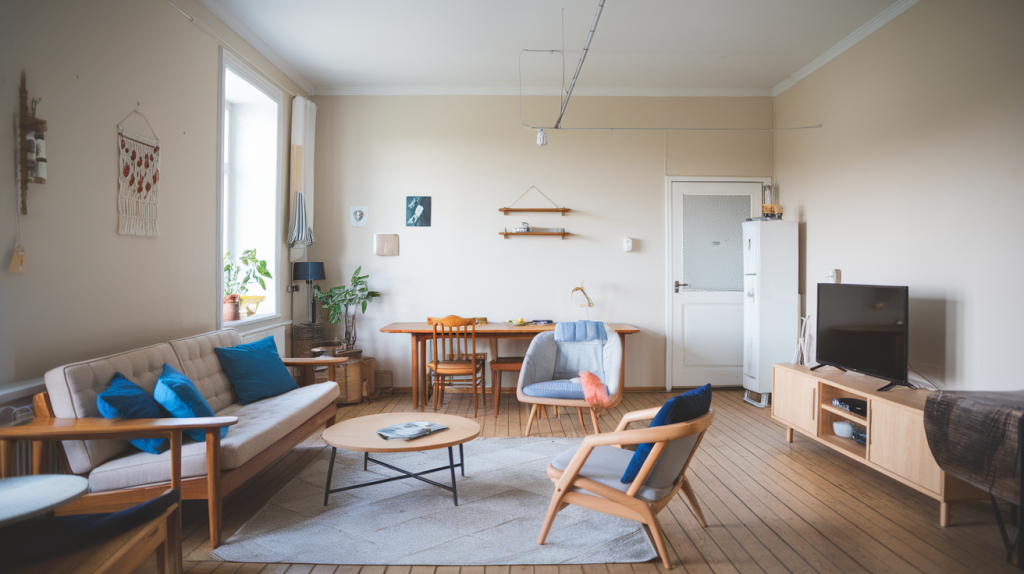
The foundation of any Scandinavian living room rests on several core principles that distinguish this style from other design approaches. Understanding these fundamental elements helps you create an authentic Nordic-inspired space rather than a superficial interpretation. The philosophy centers on creating bright, functional spaces that feel lived-in rather than staged, where every element serves both practical and aesthetic purposes.
Natural Light and White Walls
Light plays the starring role in Nordic design, particularly natural sunlight that floods through unobstructed windows. Scandinavian homes typically feature large windows without heavy drapes or blinds, allowing maximum daylight to enter the space. This obsession with natural light stems from the region’s long, dark winters where sunlight becomes precious.
White walls amplify available light, bouncing it throughout the room to create an airy atmosphere. But not just any white will do – Scandinavians prefer warm whites with subtle undertones of gray or beige rather than stark, cold whites. These softer shades prevent the space from feeling clinical while maintaining brightness.
Window treatments, when used, remain minimal and functional. Sheer curtains filter harsh sunlight without blocking it entirely. Many homeowners skip curtains altogether, preferring the uninterrupted connection with the outdoors. If privacy concerns arise, simple roller blinds in neutral tones offer a practical solution that doesn’t detract from the clean aesthetic.
Minimalist Furniture Choices
Scandinavian furniture follows the principle that every piece should earn its place through both beauty and function. Clutter has no home here – instead, carefully selected items create a sense of spaciousness even in smaller rooms. This approach doesn’t mean sterile or boring; it means thoughtful curation.
Quality matters more than quantity in Nordic homes. A single well-crafted sofa beats three mediocre pieces. Furniture typically features clean lines, gentle curves, and honest materials that show their natural beauty. Wood frames remain visible rather than hidden under excessive upholstery. Metal accents appear in slim profiles that don’t dominate the visual space.
Hygge and Cozy Elements
Despite its minimalist reputation, Scandinavian design warmly welcomes comfort through the Danish concept of hygge (pronounced hoo-gah). This philosophy celebrates coziness, contentment, and simple pleasures that make a house feel like home. Hygge transforms potentially cold, minimal spaces into inviting retreats.
Soft textures play a crucial role in achieving hygge. Chunky knit blankets draped over sofas invite snuggling. Sheepskin throws add tactile interest while providing warmth. Multiple cushions in varying sizes create comfortable nesting spots without appearing cluttered. These elements soften the clean lines and add layers of comfort that make you want to curl up with a good book.
Natural Materials and Textures
Authentic Scandinavian rooms celebrate materials in their natural state. Wood appears throughout – from light oak floors to birch furniture frames to pine accent pieces. The grain remains visible, often enhanced with simple oils rather than heavy stains. This honest approach to materials creates visual warmth that balances the cool color palette.
Stone, leather, wool, and linen add additional natural textures. A leather armchair develops character over time. Linen curtains soften with washing. Wool rugs provide insulation and acoustic benefits while adding subtle pattern. These materials age gracefully, improving rather than deteriorating with use.
Plants bring literal life into Nordic spaces. Simple green plants in understated pots add color without disrupting the neutral palette. Popular choices include fiddle leaf figs, snake plants, and rubber trees – all relatively low-maintenance options that thrive indoors. The greenery provides a vital connection to nature, especially important during long winters.
How to Choose the Perfect Color Palette
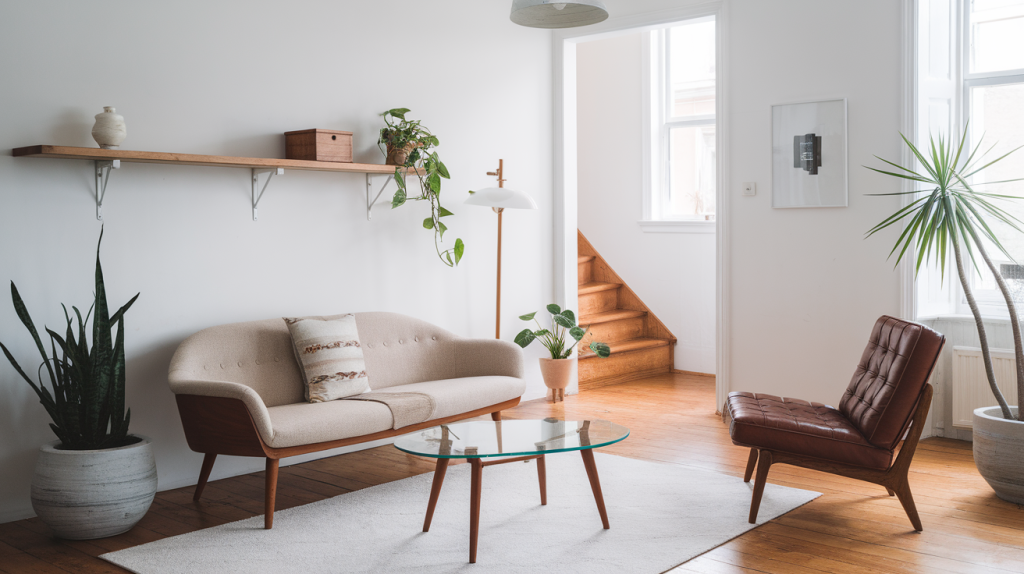
Color selection forms the backbone of Scandinavian design, setting the mood and determining how other elements will interact within your space. The Nordic palette might appear limited at first glance, but subtle variations create surprising depth and interest. Understanding how to work within this framework while adding personal touches ensures your living room feels both authentic and unique.
Working with Whites and Neutrals
The Scandinavian color story begins with white, but calling it simple would miss the nuance involved. Different whites create vastly different moods – pure white feels crisp and modern, while whites with yellow undertones add warmth, and those with gray undertones provide sophistication. Testing paint samples throughout the day reveals how natural light transforms these subtle differences.
Layering various shades of white and cream prevents monotony. Your walls might feature warm white, trim in bright white, and furniture in off-white or ivory. This tonal variation adds dimension without introducing bold color. The technique works particularly well in rooms with limited natural light, where multiple whites create the illusion of brightness.
Gray serves as the perfect neutral companion to white in Nordic palettes. From pale silver to deep charcoal, grays ground the space and provide visual weight. A gray sofa anchors a white room. Charcoal cushions add definition. Medium gray rugs define seating areas. These variations prevent the space from floating away in a sea of white.
Adding Subtle Accent Colors
While Scandinavian design favors neutrality, strategic color additions bring personality and prevent sterility. The key lies in restraint – using color as seasoning rather than the main course. Muted tones work better than bright, saturated hues.
Soft blues recall Nordic seas and skies. Dusty rose adds feminine warmth. Sage green connects to nature. Warm terracotta brings earthiness. These colors appear in small doses through artwork, cushions, or a single statement chair. The goal isn’t to dominate but to complement the neutral foundation.
Creating Visual Warmth with Tones
Beige and tan deserve special mention in Scandinavian palettes. These warm neutrals bridge the gap between stark minimalism and cozy comfort. A beige linen sofa feels more inviting than white while maintaining the light, airy aesthetic. Tan leather adds richness without heaviness. Natural wood tones fall into this category too, providing essential warmth.
Black appears sparingly but importantly in Nordic rooms. Picture frames, lamp bases, or furniture legs in black create visual anchors that prevent the space from feeling washed out. These dark accents add graphic interest and help define shapes within the neutral palette. Think of black as punctuation in your design sentence.
Balancing Light and Dark Elements
Successful Scandinavian rooms maintain equilibrium between light and dark elements. Too much white feels stark; too much dark feels heavy. The traditional ratio favors light colors at about 70%, medium tones at 20%, and dark accents at 10%. This formula provides guidance while allowing flexibility based on your specific space and preferences.
Consider how colors interact at different times of day. Morning light might make whites appear blue-tinted, while evening light warms them to yellow. Northern exposure creates cooler light requiring warmer paint choices. Southern exposure provides warm light that can handle cooler tones. These considerations ensure your chosen palette works throughout the day.
The psychology of color in Scandinavian design focuses on creating calm, restful spaces. Colors should soothe rather than stimulate. This doesn’t mean boring – subtle variations and thoughtful combinations create visual interest without overwhelming the senses. The result feels refreshing rather than exhausting.
Which Furniture Pieces Define Nordic Style?
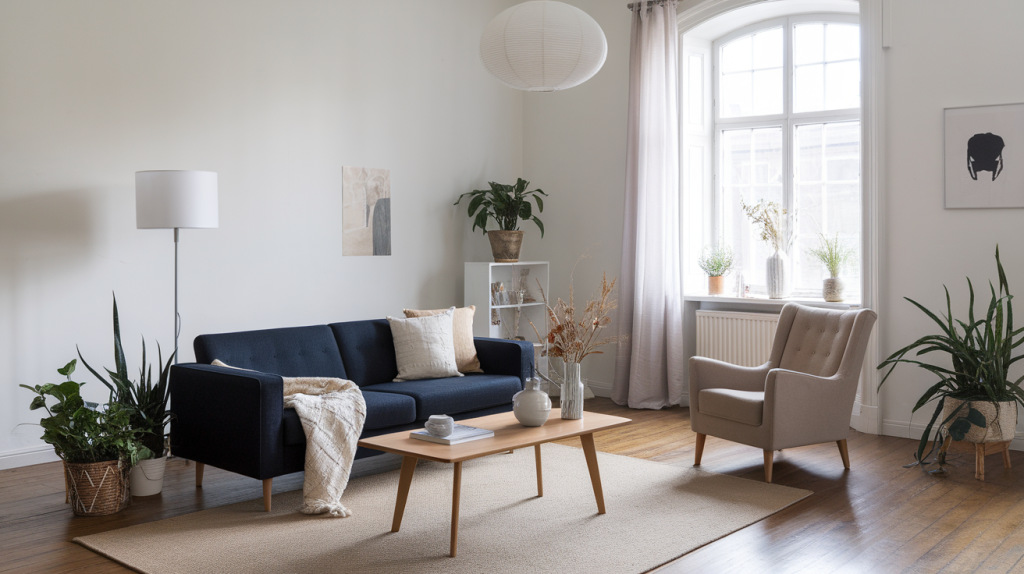
Selecting furniture for a Scandinavian living room requires balancing several considerations: functionality, aesthetics, quality, and restraint. Each piece should serve a clear purpose while contributing to the overall design harmony. Nordic furniture design has produced iconic pieces recognized worldwide, but you don’t need designer items to achieve the look – understanding the principles behind these designs helps you choose appropriate alternatives.
Essential Seating Options
The sofa anchors any living room, and Scandinavian sofas display characteristic simplicity. Clean-lined silhouettes with visible legs create a sense of lightness. Fabric choices lean toward natural materials – linen, cotton, or wool in neutral tones. The style avoids excessive cushions or ornate details, instead focusing on comfortable proportions and quality construction.
Consider your sofa’s scale carefully. Oversized sectionals can overwhelm the clean aesthetic, while pieces that are too small fail to provide adequate comfort. The ideal Nordic sofa seats your household comfortably without dominating the room. Many Scandinavian homes feature a two or three-seat sofa complemented by additional seating rather than one massive piece.
Accent chairs add personality while maintaining functionality. Classic choices include:
Wooden Frame Chairs: Mid-century inspired designs with exposed wood and simple cushions
Leather Armchairs: Cognac or black leather that develops patina over time
Rattan Chairs: Natural texture that adds warmth without visual weight
Upholstered Chairs: Simple shapes in textured fabrics
Coffee Tables and Storage Solutions
Nordic coffee tables typically feature natural wood, clean lines, and often incorporate storage. Round tables soften the angular elements common in minimalist design. Oval shapes offer similar benefits while providing more surface area. Rectangular tables work well in larger spaces but should maintain slim profiles to avoid visual heaviness.
Height matters significantly in Scandinavian design. Lower coffee tables create better flow and maintain sight lines across the room. Many Nordic homes feature tables just 14-16 inches high, lower than traditional American furniture. This proportion contributes to the spacious feeling characteristic of the style.
Functional Pieces with Clean Lines
Storage furniture in Scandinavian homes serves dual purposes: organizing belongings and maintaining visual calm. Open shelving displays carefully curated items while closed storage hides everyday clutter. The combination allows both practical living and aesthetic appeal.
Media consoles exemplify Nordic storage philosophy. Low-profile designs in light wood or white lacquer provide necessary function without dominating the wall. Cable management systems keep technology tidy. Drawers hide remotes and accessories. The top surface displays a few meaningful objects rather than becoming a catchall.
Sideboards and credenzas offer additional storage while serving as display surfaces. These pieces typically feature a mix of open and closed storage, allowing flexibility in what you show versus hide. The horizontal lines emphasize the room’s width, making spaces feel larger. Natural wood versions add warmth, while painted pieces maintain the light palette.
Quality Over Quantity Approach
Investment in fewer, better pieces defines Scandinavian furniture philosophy. This approach reduces visual clutter while ensuring longevity. Well-made furniture improves with age, developing character rather than showing wear. The initial cost might seem higher, but the per-year expense often proves lower than frequently replacing cheaper alternatives.
Recognizing quality involves examining construction details. Solid wood beats veneer for longevity. Dovetail joints indicate careful craftsmanship. Smooth drawer slides and sturdy hardware suggest attention to detail. These elements might seem minor but significantly impact daily use and long-term satisfaction.
The “one in, one out” rule helps maintain the minimalist aesthetic. Before adding new furniture, consider what you’ll remove. This practice prevents accumulation and ensures each piece truly enhances your space. Sometimes the best addition involves removing something rather than adding more.
Flexibility adds value to Scandinavian furniture choices. Nesting tables provide extra surface when needed but tuck away when not in use. Ottomans offer seating, footrests, or coffee table alternatives. Modular shelving systems adapt as needs change. These versatile pieces align with the Nordic emphasis on practical, efficient living.
How to Layer Textures for Warmth
Texture transforms Scandinavian spaces from potentially cold minimalism into inviting havens. The interplay of different materials and surfaces adds depth, interest, and crucial warmth to neutral color schemes. Mastering texture layering means understanding how various materials interact visually and tactilely, creating spaces that appeal to multiple senses while maintaining the characteristic Nordic simplicity.
Textiles and Throw Blankets
Scandinavian homes showcase textiles as functional art. Throws aren’t merely draped over sofas – they’re carefully chosen for color, texture, and placement. Chunky knit blankets in cream or light gray add substantial visual weight without darkness. Cable knit patterns create shadow play that adds interest to solid colors. Mohair throws provide cloud-like softness with a subtle sheen.
The art of blanket placement matters more than you might think. Casually draped throws should look effortless but intentional. Fold a throw lengthwise and drape it diagonally across a sofa corner. Let another pool slightly on the floor beside an armchair. These arrangements suggest comfort and accessibility while adding visual layers.
Seasonal rotation keeps spaces fresh without major changes. Summer might feature lightweight linen throws in whites and pale blues. Winter calls for heavier wools in warmer tones. This practice aligns with Scandinavian practicality – items serve actual purposes rather than purely decorative roles.
Rugs and Floor Coverings
Rugs define spaces within open floor plans common in Nordic homes. They create invisible boundaries between living and dining areas without walls. The right rug also adds acoustic benefits, softening sound in minimalist spaces that might otherwise echo.
Size selection proves crucial for visual success. Rugs should be large enough that front furniture legs rest on them, creating cohesion rather than floating islands. In smaller rooms, wall-to-wall rugs make spaces feel larger. Layering smaller rugs over larger ones adds complexity without committing to bold patterns.
Material choices reflect Nordic values of natural beauty and durability. Wool rugs provide warmth and wear well over time. Jute and sisal add texture while maintaining neutral tones. Sheepskin rugs beside sofas or chairs create luxurious spots for bare feet. Each material contributes different textural notes to the overall composition.
Pattern in Scandinavian rugs tends toward geometric simplicity or subtle texture rather than busy designs. Think simple stripes, modest diamonds, or tone-on-tone patterns that add interest without demanding attention. The rug should complement rather than compete with other room elements.
Cushions and Soft Furnishings
Cushion arrangements in Nordic homes follow thoughtful principles rather than random accumulation. Odd numbers create better visual balance than even groupings. Varying sizes add dynamism – combine large floor cushions with standard throw pillows and smaller lumbar supports.
Fabric mixing requires careful consideration. Combine different textures while maintaining color harmony:
Smooth Linen: Provides refined simplicity and improves with washing
Nubby Wool: Adds substantial texture and warmth
Soft Velvet: Introduces luxury without excess
Natural Cotton: Offers breathability and easy care
Color coordination among cushions should feel cohesive but not matched. If your palette includes white, gray, and soft blue, distribute these colors across different cushions rather than grouping all blues together. This distribution creates visual flow throughout the seating area.
Window treatments contribute significant texture while serving practical purposes. Linen curtains filter light while adding vertical lines. Their natural wrinkles provide organic texture that softens architectural elements. In bedrooms or media spaces requiring more light control, layering sheer curtains with heavier linen creates flexibility.
Natural Wood and Stone Elements
Wood appears throughout Scandinavian homes in various forms and finishes. Light woods like birch, ash, and pine maintain the bright aesthetic. These might appear in furniture, frames, or decorative objects. The key lies in celebrating wood’s natural grain rather than hiding it under heavy stains or paint.
Different wood tones can coexist successfully when thoughtfully combined. A pine coffee table works with oak floors and birch shelving if the undertones harmonize. Cool-toned woods pair well together, as do warm-toned varieties. Mixing drastically different tones requires careful balance through other unifying elements.
Stone surfaces add another textural dimension. Marble coasters or serving trays introduce subtle luxury. Concrete planters provide industrial edge. Granite or quartz side tables offer durability with natural beauty. These materials feel substantial and grounding within lighter elements.
The combination of soft and hard textures creates the balance essential to Scandinavian design. Soft textiles humanize clean-lined furniture. Natural materials prevent spaces from feeling artificial. Together, these layers build rooms that satisfy both visual and tactile senses, creating the comfortable minimalism that defines Nordic style.
What Lighting Creates the Right Atmosphere?
Lighting design in Scandinavian interiors goes beyond simple illumination to create mood, define spaces, and compensate for limited natural light during winter months. The Nordic approach treats lighting as both functional necessity and design element, carefully balancing various sources to achieve optimal ambiance throughout the day and seasons.
Maximizing Natural Light
Scandinavian homes prioritize natural light above all other design considerations. Window treatments that might obstruct daylight often disappear entirely. When privacy demands some covering, solutions remain minimal – sheer fabrics that filter without blocking, or blinds that completely retract when not needed.
Mirrors strategically placed opposite windows double the impact of available light. But placement requires thought – avoid creating glare or awkward reflections. A large mirror on a perpendicular wall bounces light sideways through the space. Smaller mirrors grouped together create interesting light patterns while serving as artwork.
Light-colored flooring amplifies brightness from below. Whitewashed oak, pale ash, or painted white floors reflect light upward, brightening the entire room. Even in rooms with darker flooring, light-colored rugs can achieve similar effects. This reflection from below proves particularly effective during darker months.
Choosing Statement Fixtures
Pendant lights serve as sculptural elements in Nordic rooms. Single dramatic pendants over coffee tables or dining areas create focal points without cluttering. The designs favor simple geometric shapes, natural materials, or innovative forms that cast interesting shadows. Popular materials include paper, wood, metal, and glass – often in combination.
The height of hanging fixtures impacts both function and aesthetics. Lower placement creates intimate pools of light for specific activities. Higher positioning provides general illumination but less dramatic effect. Many Scandinavian homes feature adjustable fixtures that can be raised or lowered based on needs.
Statement floor lamps provide flexible lighting solutions. Arc lamps reach over seating areas without requiring ceiling installation. Tripod designs add architectural interest. Tree-style lamps with multiple bulbs offer various lighting directions. These pieces function as furniture elements that happen to provide light.
Layered Lighting Approach
Successful Nordic lighting combines multiple sources at different heights and intensities. This layering creates depth and allows adjustment for various activities and moods. The typical formula includes ambient, task, and accent lighting, though boundaries between categories often blur.
Ambient lighting provides general illumination without harsh shadows. This might come from recessed ceiling fixtures, wall-mounted uplights, or floor lamps directed toward ceilings. The goal involves even, comfortable brightness that allows movement and general activities.
Task lighting targets specific activities like reading or crafts. Adjustable table lamps beside sofas, directed pendants over work surfaces, or wall-mounted reading lights beside chairs serve these needs. Scandinavian task lighting often features articulated arms or rotating heads for precise positioning.
Here’s how to effectively layer your lighting:
Ceiling Level: General overhead fixtures or recessed lights for overall brightness
Eye Level: Table lamps and wall sconces for comfortable ambient light
Low Level: Floor lamps or LED strips for subtle atmospheric lighting
Decorative: String lights or candles for special ambiance
Candles and Ambient Lighting
Candles hold special significance in Scandinavian culture, transcending mere decoration to become essential comfort elements. Nordic homes use candles year-round, not just for special occasions. The living, flickering light adds warmth that electric lighting cannot replicate.
Grouping candles creates more impact than scattered individual flames. Cluster various heights on trays or plates. Line them along window sills. Place them in lanterns for outdoor use. The key involves creating substantial light sources rather than tiny isolated flames.
Safety considerations shape candle use in Nordic homes. LED candles provide worry-free alternatives for households with children or pets. Modern LED versions convincingly mimic real flames, some even featuring slight movement and warming light tones. Timer functions allow automated ambiance without constant attention.
String lights offer another atmospheric option embraced in Scandinavian design. Simple white bulbs on black or white cords maintain the minimalist aesthetic. These might outline windows, frame mirrors, or drape along shelves. The soft, distributed light creates magical ambiance without kitsch.
Seasonal lighting adjustments reflect Nordic awareness of changing daylight. Summer might require minimal artificial lighting, while winter demands multiple sources from early afternoon. This flexibility – adding or removing lamps, adjusting brightness levels, changing bulb warmth – keeps spaces comfortable year-round.
Smart lighting systems increasingly appear in Scandinavian homes, allowing precise control over brightness and color temperature. Morning light might mimic sunrise with gradually warming tones. Evening settings provide cozy warmth. These technological solutions align with Nordic values of functionality and efficiency while maintaining aesthetic simplicity.
Final Thoughts on Creating Your Nordic Haven
Creating a Scandinavian-inspired living room doesn’t require importing furniture from Stockholm or completely renovating your space. The beauty of Nordic design lies in its adaptability and focus on fundamental principles rather than rigid rules. By understanding the core concepts – maximizing light, choosing quality over quantity, maintaining clean lines, and adding cozy textures – you can transform any living room into a serene, stylish retreat that reflects both Scandinavian aesthetics and your personal style.
The journey toward a Nordic-inspired home should feel gradual and intentional rather than rushed. Start with one element that resonates most strongly with you – perhaps decluttering and painting walls white, or investing in one quality furniture piece that will anchor your space. As you live with these changes, you’ll develop a better sense of what works for your lifestyle and what aspects of Scandinavian design speak to you most clearly. This mindful approach aligns perfectly with the Nordic philosophy of thoughtful, purposeful living where every choice contributes to overall harmony and well-being.
Frequently Asked Questions
Q: Do Scandinavian living rooms always have to be white and minimalist?
A: While white and minimalism are common, Nordic design actually welcomes warm neutrals, soft colors, and cozy textures. The key is maintaining simplicity and functionality while adding personality through carefully chosen colors and textures that don’t overwhelm the space.
Q: How can I make a Scandinavian living room feel warm and inviting rather than cold?
A: Layer different textures through throw blankets, cushions, and rugs. Add warm wood tones, use warm white paint rather than stark white, incorporate plenty of soft lighting including candles, and include plants for life and color.
Q: What’s the most important element to focus on when starting a Scandinavian redesign?
A: Natural light should be your first priority. Remove heavy curtains, clean windows, add mirrors to reflect light, and choose light colors for walls and major furniture pieces. Good lighting transforms everything else in the space.
Q: Can I achieve Scandinavian style on a budget?
A: Absolutely. Focus on decluttering (free), paint walls in light colors (inexpensive), shop secondhand for quality wood furniture, make your own simple cushion covers, and use plants and candles for decoration rather than expensive accessories.
Q: How do I maintain a minimalist look with children or pets?
A: Choose furniture with hidden storage, establish designated zones for toys or pet items, select durable fabrics in forgiving colors, use washable slipcovers, and implement simple organizational systems that make quick cleanup possible.
Q: Which plants work best in Scandinavian interiors?
A: Snake plants, fiddle leaf figs, rubber plants, pothos, and ZZ plants all thrive indoors and suit the aesthetic. Choose plants with simple green foliage rather than colorful flowers, and display them in plain ceramic or terracotta pots.
Q: How do I mix Scandinavian style with other design preferences?
A: Nordic design pairs well with mid-century modern, industrial, and Japanese aesthetics. Keep the Scandinavian foundation of light colors and clean lines, then add elements from other styles through furniture choices, artwork, or accent pieces.
Q: What type of artwork fits in a Scandinavian living room?
A: Simple photography, abstract prints in muted colors, botanical illustrations, or minimalist line drawings work well. Display pieces in simple frames, maintain plenty of wall space between pieces, and consider one large statement piece rather than many small ones.