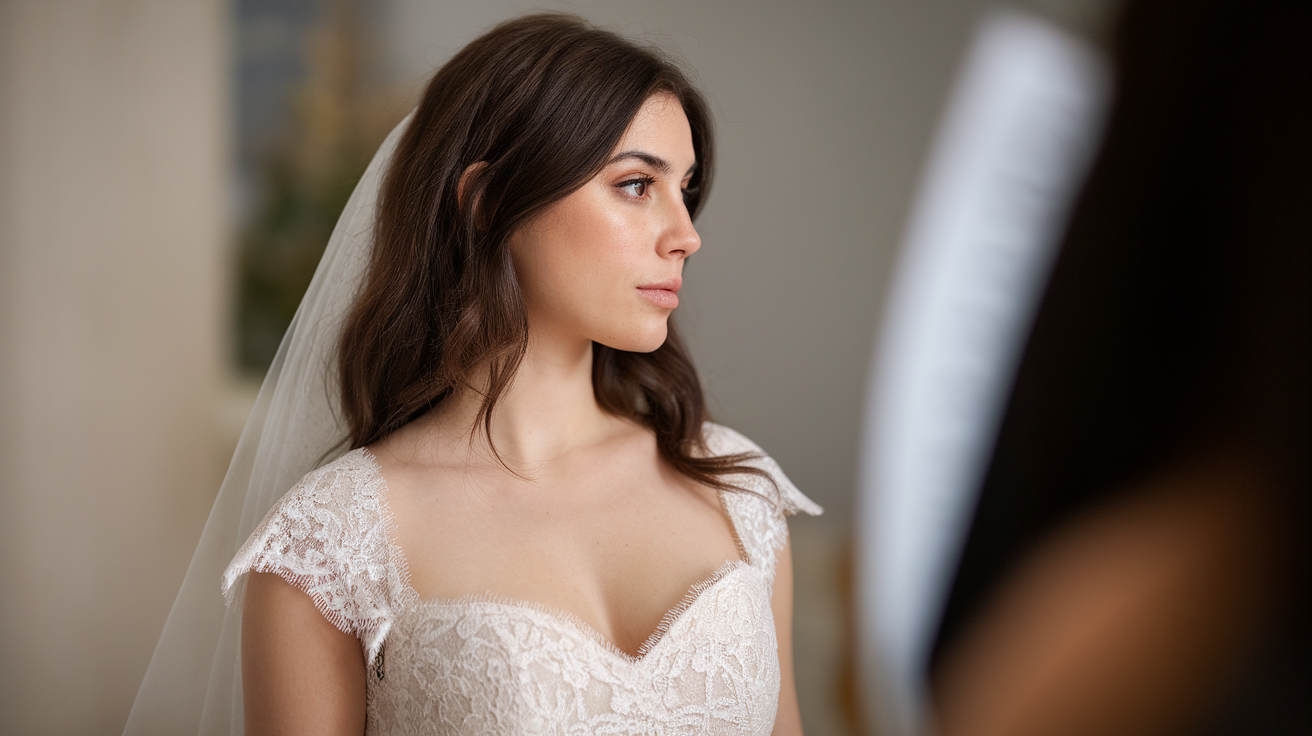
Finding the perfect wedding dress marks one of the most exciting moments in wedding planning. Every bride envisions herself walking down the aisle in a gown that captures her personality and makes her feel absolutely radiant. The variety of styles available today means there’s something spectacular for every taste, body type, and wedding vision.
Wedding dress shopping has evolved far beyond the traditional white gown. Today’s brides can choose from countless silhouettes, fabrics, and design details that reflect their individual style. From dramatic ball gowns that create stunning photo moments to sleek, minimalist designs perfect for modern celebrations, the options feel endless. Each style offers its own magic, transforming how you look and feel on your special day.
The following sections will guide you through ten stunning wedding dress styles that deserve consideration. You’ll discover the characteristics that define each silhouette, learn which venues and body types they complement best, and understand how different fabrics and details can transform a basic style into something extraordinary. Let’s explore these beautiful options that could become the dress of your dreams.
Classic A-Line Wedding Dresses
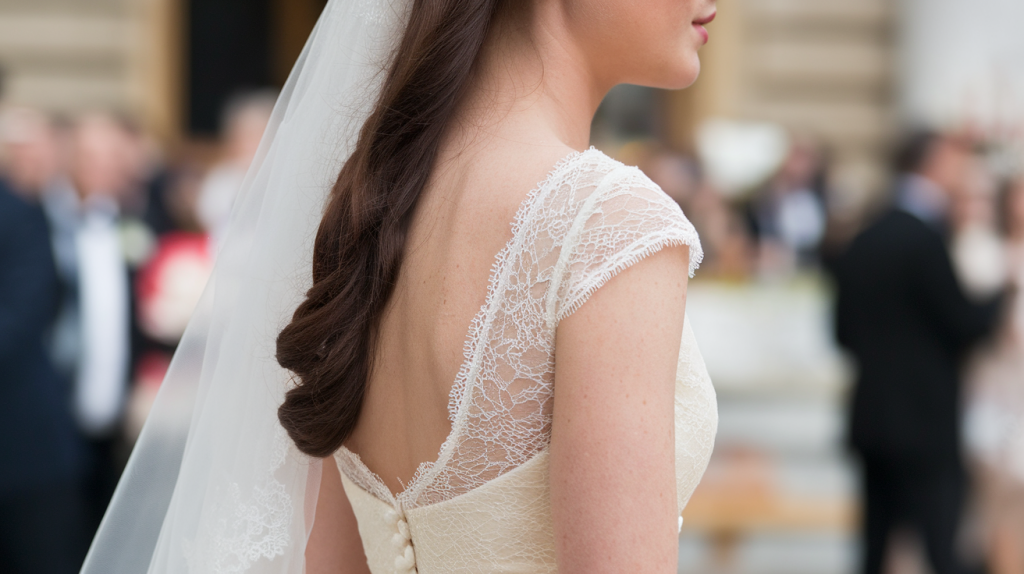
The A-line silhouette has earned its place as a bridal favorite for excellent reasons. This universally flattering style creates a beautiful shape that works with virtually every body type, making it a safe yet stunning choice for brides who want elegance without drama. The gentle flare from the waist creates movement and grace while maintaining a timeless appeal that photographs beautifully from every angle.
Why A-line suits most body types
The genius of this particular silhouette lies in its proportional balance. The fitted bodice highlights your upper body while the gradual flare from the waist creates a smooth line that neither clings nor overwhelms. This shape naturally elongates the body, creating a statuesque effect that works whether you’re petite or tall. The style also offers flexibility in how fitted or relaxed you want the bodice, allowing for comfort without sacrificing structure.
A-line gowns provide coverage where many brides want it while still showing off your natural shape. The skirt’s gentle flow moves beautifully as you walk, creating romantic movement without the volume of a ball gown. This makes dancing, sitting, and navigating your reception much easier than with fuller styles.
Modern variations of the traditional style
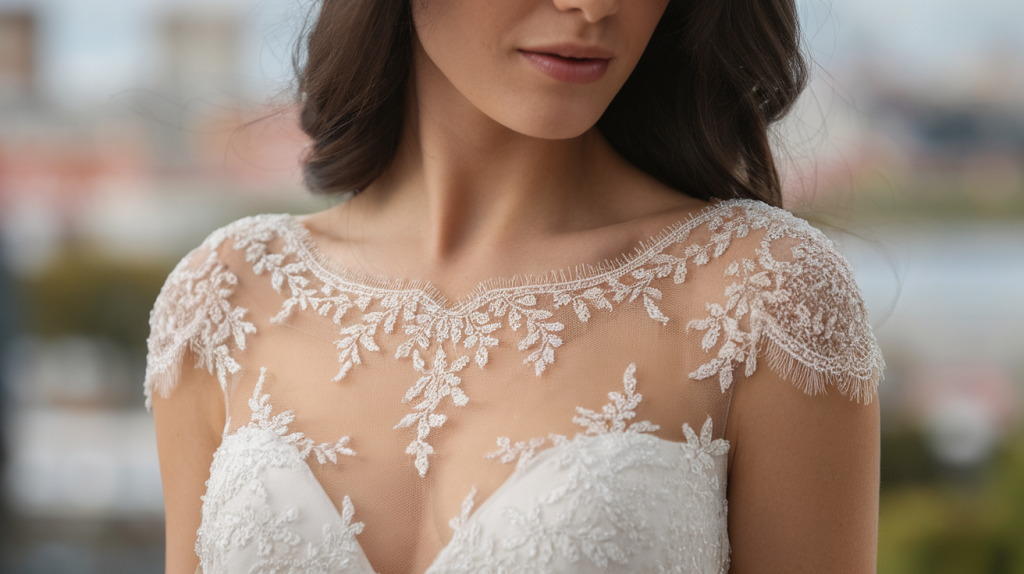
Contemporary designers have reimagined this classic shape in countless ways. Some feature dramatic plunging necklines or intricate back details that add unexpected elements to the traditional form. Others incorporate sheer panels, strategic cutouts, or asymmetrical hemlines that give the classic A-line a fresh, current feel.
You’ll find versions with everything from delicate cap sleeves to dramatic off-shoulder designs. Some designers add structure through architectural pleating or geometric seaming, while others keep things soft with flowing, unstructured bodices. High-low hemlines have become particularly popular, offering a playful twist that shows off statement shoes while maintaining the elegance of a full-length gown.
The waistline placement also varies significantly in modern interpretations. While traditional A-lines sit at the natural waist, you’ll find dropped waists that create a more relaxed feel, and empire waists that suit different body proportions. Each variation changes how the dress falls and moves, offering subtle but significant differences in the overall effect.
Fabric choices that enhance the silhouette
The material you choose dramatically impacts how an A-line dress looks and feels. Structured fabrics like mikado or duchess satin create clean, architectural lines that hold their shape beautifully. These materials work particularly well for formal celebrations where you want a polished, refined appearance.
Softer fabrics offer a completely different aesthetic. Chiffon creates ethereal movement, while crepe provides a sophisticated drape that skims the body elegantly. Tulle adds romantic volume without overwhelming weight, perfect for brides who want a bit of princess feel without committing to a full ball gown. Lace overlays bring texture and detail that can transform a simple A-line into something truly special.
Consider how different fabrics behave in various settings:
- Satin and Mikado: Hold their shape in any weather, ideal for formal indoor venues
- Chiffon and Georgette: Flow beautifully in outdoor breezes, creating romantic movement
- Crepe and Jersey: Offer comfort and ease of movement for long celebrations
- Taffeta: Provides structure with a subtle sheen that photographs wonderfully
- Organza: Creates volume without weight, perfect for layered designs
Styling tips for A-line gowns
Accessories can completely transform how your A-line dress presents. A statement belt or sash defines the waist and adds sparkle or color to a simple design. Cathedral veils create drama with traditional styles, while shorter veils or hair accessories suit more modern interpretations.
The neckline of your gown guides jewelry choices. Strapless styles call for statement necklaces or dramatic earrings, while high necklines look best with minimal jewelry that doesn’t compete with the dress details. V-necks offer the most flexibility, working beautifully with both delicate pendants and bold statement pieces.
Consider your venue when finalizing your look. Garden weddings might call for flower crowns or natural styling, while ballroom celebrations could warrant more dramatic accessories. The beauty of A-line dresses lies in their versatility – they adapt to any wedding style with the right finishing touches.
Romantic Ball Gown Wedding Dresses
Ball gowns represent the ultimate fairytale wedding dress fantasy. These dramatic silhouettes feature fitted bodices paired with voluminous skirts that create an unmistakable presence. No other style makes quite the same statement when you enter a room, transforming any bride into royalty for her special day.
Creating the fairytale moment
The magic of a ball gown starts with its proportions. The contrast between the fitted bodice and expansive skirt creates an hourglass silhouette that’s both dramatic and deeply feminine. This style naturally draws attention upward to your face and décolletage while the full skirt creates a sense of occasion that other styles simply can’t match.
Walking in a ball gown feels different from any other dress experience. The weight and movement of the skirt create a subtle swaying motion that adds grace to every step. Many brides describe feeling transformed the moment they put on a ball gown – suddenly, simple movements feel more elegant, and the dress itself encourages better posture and a more regal bearing.
The psychological impact shouldn’t be underestimated either. Ball gowns have a way of making everything feel more special and ceremonial. Your wedding becomes not just a celebration but an event, and you become not just a bride but the centerpiece of something truly magnificent.
Photography plays a huge role in why ball gowns remain so popular. The volume creates stunning images, especially in grand venues with staircases or long aisles. The skirt’s shape photographs beautifully from every angle, creating natural drama in both candid and posed shots.
Best venues for ball gowns
Certain settings showcase ball gowns to their full potential. Grand ballrooms with high ceilings provide the space these dresses need to truly shine. Historic mansions and castles offer architectural details that complement the formality and romance of a full skirt. Churches and cathedrals, with their long aisles and ceremonial atmosphere, seem almost designed for the entrance a ball gown creates.
However, you’re not limited to traditional venues. Modern brides wear ball gowns in warehouses, barns, and outdoor settings, creating interesting contrasts that feel fresh and unexpected. The key lies in ensuring practical considerations – wide doorways, spacious dance floors, and room to move comfortably throughout your celebration.
Space for preparation matters too. Ball gowns require room for dressing and often need multiple people to help with bustling and arrangement. Your getting-ready space should accommodate the dress fully spread out, and transportation requires careful planning to avoid crushing the skirt.
How to move comfortably in fuller skirts
Mastering movement in a ball gown takes practice but becomes second nature surprisingly quickly. The key lies in learning to work with the dress rather than fighting against it. When walking, take slightly smaller steps than usual and let the skirt’s natural movement guide your pace. Avoid trying to walk too quickly – the dress sets its own rhythm.
Sitting requires a specific technique. Approach chairs from the front, gather the skirt behind you, and lower yourself carefully while keeping the bulk of fabric behind your body. For dining, you’ll want to arrange the skirt to one side or behind you to avoid pulling on the bodice when you lean forward.
Dancing presents its own considerations. Practice your first dance in your actual dress or something similar in weight and length. You’ll need to adjust how you move, particularly for spins and dips. Your partner should also practice to understand how much space the dress requires.
Going up and down stairs demands attention. Hold your skirt slightly lifted with both hands, just enough to clear your feet. Look where you’re going rather than down at your feet, and take your time. Having someone spot you from behind adds safety and confidence.
Balancing proportions with accessories
With such a dramatic skirt, your upper body needs appropriate balance to avoid being overwhelmed. Statement jewelry works particularly well with ball gowns – think chandelier earrings, substantial necklaces, or ornate hair pieces. The volume of the skirt can handle bold accessories that might overpower simpler dress styles.
Veils require special consideration with ball gowns. Cathedral or chapel length veils complement the dress’s drama, while shorter veils can look disproportionate. If you prefer minimal headwear, consider a tiara or decorative comb that adds height and draws the eye upward.
Your hairstyle plays a crucial role in the overall balance. Updos typically work best, showing off the neckline and keeping hair from competing with the dress’s volume. If you prefer wearing your hair down, consider partially pulled-back styles that still reveal your neck and shoulders.
Sleek Mermaid and Trumpet Styles
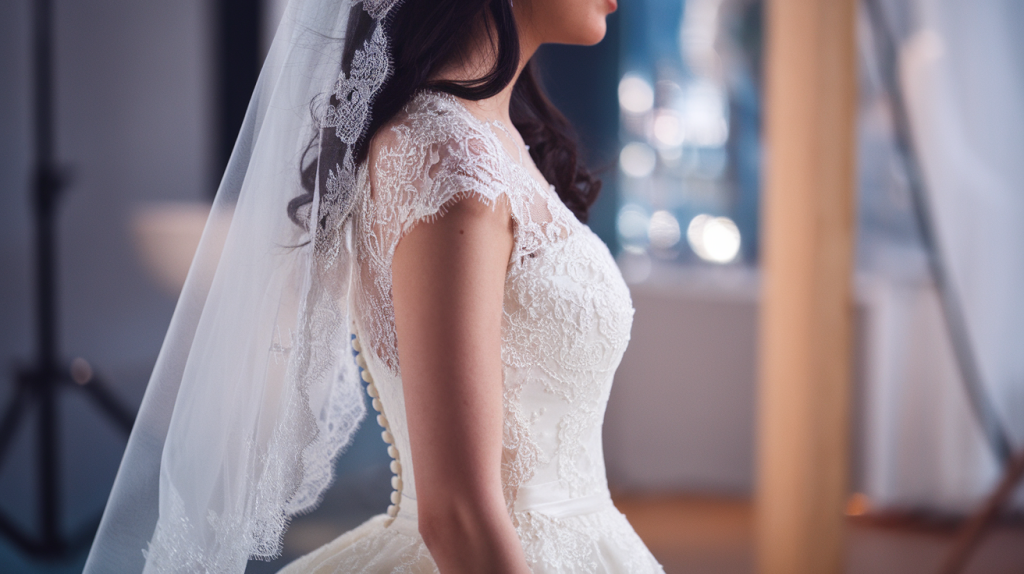
These figure-hugging silhouettes celebrate your natural curves in the most glamorous way possible. Both mermaid and trumpet styles fit closely through the bodice and hips before flaring dramatically, creating an unmistakably sophisticated and sensual look that commands attention.
Understanding the difference between mermaid and trumpet
While often confused, these two styles have distinct characteristics that affect how they look and feel. Mermaid gowns hug your body all the way to the knee or just below before flaring out dramatically. This creates the most dramatic hourglass shape and shows off every curve. The flare typically starts quite low, around mid-thigh to knee level.
Trumpet gowns offer a similar fitted look but begin their flare higher, usually around mid-thigh. This subtle difference makes trumpet styles slightly easier to walk in while still providing that stunning fitted look. The gradual flare of a trumpet dress creates a softer transition that many brides find more comfortable for extended wear.
The choice between them often comes down to comfort level and venue practicality. Mermaid gowns make the strongest statement but require confidence in movement and posture. Trumpet styles offer a middle ground between the drama of a mermaid and the ease of an A-line.
Body confidence and dress selection
These styles celebrate bodies rather than hiding them. They work beautifully for brides who want to showcase their figures and feel confident in form-fitting designs. The key to wearing either style successfully lies not in having a specific body type but in feeling comfortable with how the dress highlights your natural shape.
Proper undergarments make all the difference with fitted styles. Seamless shapewear creates smooth lines under the close-fitting fabric, while built-in structure in the bodice provides support and shaping. Many of these gowns include internal corsetry that creates an ideal silhouette regardless of your natural proportions.
Interestingly, these fitted styles can actually feel more secure than looser options. The close fit means the dress moves with you rather than shifting independently, and the structured bodice provides excellent support. Many brides report feeling more confident in a well-fitted mermaid or trumpet than in styles that don’t define their shape as clearly.
Consider trying on several variations to find your comfort zone. Some feature stretch fabrics that allow more movement, while others use strategic paneling to create the fitted look with more flexibility. Don’t dismiss these styles without trying them – many brides surprise themselves by falling in love with the sophisticated silhouette.
Fabric considerations for fitted styles
Material selection becomes crucial when your dress fits so closely. Structured fabrics like duchess satin or crepe maintain their shape beautifully and create clean lines that photograph exceptionally well. These materials also provide some smoothing effect, creating a polished look.
Stretch fabrics have revolutionized fitted wedding dresses. Materials like stretch crepe or jersey-blend satins allow for a close fit while maintaining comfort and movement. These fabrics move with your body, making sitting, dancing, and general movement much easier than in non-stretch alternatives.
Lace adds texture and visual interest while potentially providing more forgiving coverage than solid fabrics. Strategic lace placement can highlight your favorite features while providing subtle coverage where desired. Beading and embellishment add glamour but also weight – consider how this will feel over many hours of wear.
The lining matters as much as the outer fabric. Quality linings prevent the dress from clinging uncomfortably and help maintain the shape throughout your celebration. Built-in power mesh or control panels provide additional support and smoothing where needed.
Alternative options for similar effects
Not ready for a fully fitted style? Several alternatives create similar sophisticated silhouettes with more flexibility. Modified mermaid styles feature a less extreme fit through the hips, providing the dramatic flare without the restrictive fit. These “soft mermaid” designs offer the best of both worlds.
Fit-and-flare styles provide another option, fitting closely through the bodice and waist before flaring more gradually than a traditional A-line. This creates a flattering silhouette that highlights your waist without the commitment to a fully fitted skirt.
Consider gowns with strategic design elements that create the illusion of a fitted style. Vertical seaming, side panels in contrasting textures, or strategic draping can create curves and definition while maintaining easier movement. Dropped waist designs that fit closely through the bodice before releasing into a fuller skirt offer another alternative.
Overlay options let you have multiple looks. A fitted dress with a detachable overskirt gives you the mermaid silhouette for photos and ceremony, then transforms into an easier style for reception dancing. This versatility appeals to brides who love the fitted look but worry about practical considerations.
Modern Sheath and Column Dresses
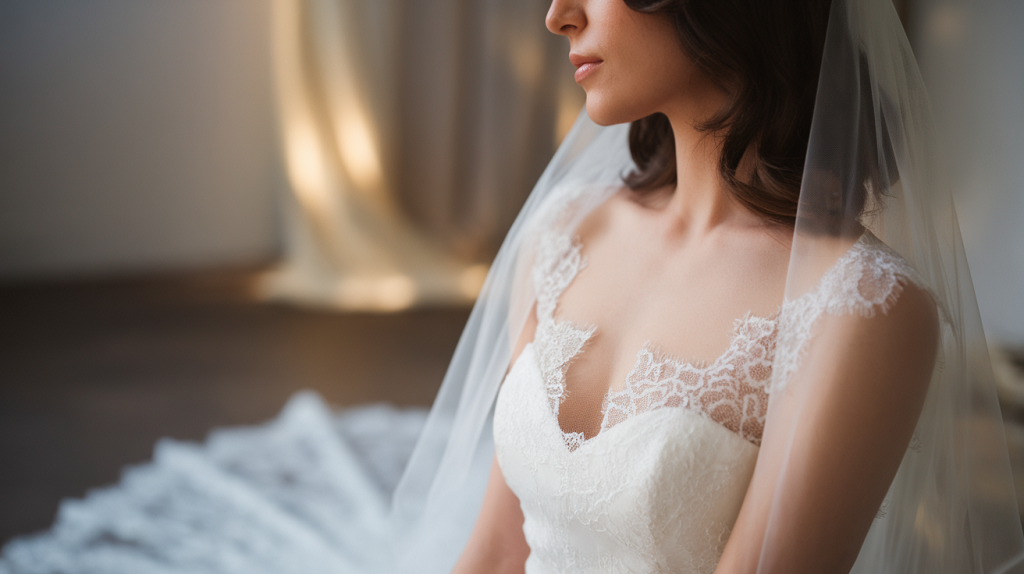
Minimalist elegance defines these streamlined silhouettes that follow your body’s natural lines without excessive fitting or flare. Sheath and column dresses offer sophisticated simplicity that feels thoroughly modern while maintaining timeless appeal.
Minimalist elegance in bridal fashion
The beauty of sheath and column styles lies in their restraint. These dresses skim the body from shoulder to hem, creating a long, lean line that’s incredibly sophisticated. Without the distraction of excessive volume or elaborate construction, the focus shifts to quality of fabric, precision of fit, and thoughtful details.
This style particularly suits confident brides who appreciate understated elegance over dramatic statements. The simplicity feels fresh and modern, especially in an era where wedding fashion often tends toward the elaborate. There’s something powerful about choosing such a refined, pared-down approach for such a significant occasion.
Column dresses maintain the same width from top to bottom, creating a particularly striking effect on taller brides. Sheath styles follow the body more closely, gently skimming curves without clinging. Both create an elongating effect that photographs beautifully and moves with natural grace.
Best fabrics for clean lines
Fabric choice becomes paramount when the design relies on simplicity. Luxury crepe remains a favorite for its beautiful drape and subtle texture that adds interest without busy patterns. The weight of quality crepe helps the dress hang properly while maintaining structure.
Silk charmeuse offers incredible luxury with its subtle sheen and fluid drape. This fabric creates movement with every step while maintaining the clean lines essential to these styles. However, it requires expert tailoring to avoid looking too casual or nightgown-like.
Structured materials deserve consideration too. Mikado silk or heavyweight satin can create architectural column dresses that hold their shape beautifully. These fabrics work particularly well for ceremonies where you want to maintain a formal presence.
For warmer weather or beach celebrations, consider lighter options. Silk georgette or chiffon can create column silhouettes that feel appropriate for casual settings while maintaining elegance. Double-layered construction prevents transparency while keeping the overall weight minimal.
Adding personality through details
Simple silhouettes provide the perfect canvas for meaningful details. Without competing with elaborate construction, elements like interesting necklines, unexpected back details, or unique sleeve treatments become focal points.
Consider these detail options that transform simple shapes:
- Architectural Necklines: Asymmetrical, halter, or geometric cuts add visual interest
- Back Details: Deep Vs, button trails, or cutouts create surprise elements
- Sleeve Variations: From delicate cap sleeves to dramatic bishop sleeves
- Texture Play: Pleating, pintucks, or subtle patterns in the fabric itself
- Strategic Embellishment: Minimal beading or embroidery at key points
The beauty lies in choosing one or two special elements rather than overwhelming the clean aesthetic. A dramatic back becomes more impactful on a simple dress than it would on an already elaborate design.
Accessories become particularly important with minimalist dresses. A statement veil can add drama for the ceremony, then remove to reveal the sleek reception look. Bold jewelry makes more impact against a simple backdrop. Even shoes become more visible with these straighter silhouettes, making them worth extra investment.
Venue considerations for simpler styles
Sheath and column dresses adapt beautifully to virtually any setting, but certain venues particularly complement their sophisticated simplicity. Modern art galleries and museums provide architectural backdrops that echo the dress’s clean lines. Urban lofts and industrial spaces create interesting contrasts between rough textures and refined fashion.
Beach and destination weddings suit these styles perfectly. The streamlined silhouette moves easily in sand and wind, while the elegant simplicity feels appropriate for casual outdoor settings. These dresses also travel exceptionally well, requiring less space and special handling than fuller styles.
Historic venues with ornate details provide gorgeous contrast to minimalist dresses. Your simple silhouette stands out beautifully against elaborate architecture, creating visual balance in photos. The dress won’t compete with the venue’s inherent drama.
Small, intimate venues showcase these styles wonderfully. Without the spatial requirements of fuller skirts, you can move easily through cocktail parties, restaurant receptions, or home celebrations. The sophistication translates regardless of venue size.
Garden and outdoor settings highlight the natural movement of these dresses. Simple silhouettes allow natural surroundings to shine while maintaining appropriate formality. The ease of movement makes outdoor activities like lawn games or beach walks entirely feasible.
Bohemian and Vintage-Inspired Gowns
Free-spirited brides gravitate toward styles that feel relaxed, romantic, and slightly unconventional. These designs draw inspiration from various eras and aesthetics, creating unique looks that feel both nostalgic and completely current.
Defining boho bridal style
Bohemian wedding dresses reject traditional bridal conventions in favor of relaxed, artistic aesthetics. These gowns often feature flowing fabrics, ethnic-inspired details, and a general sense of effortlessness that appeals to non-traditional brides. The style evokes music festivals, art communities, and carefree summer days.
Key elements include flowing sleeves, often bell-shaped or dramatically wide. Fabrics tend toward the natural – cotton laces, hemp blends, and lightweight linens that move freely. Construction favors comfort over structure, with elastic waists, adjustable fits, and minimal boning or internal support.
The overall effect should feel collected rather than purchased – as if you’ve assembled pieces that speak to your spirit rather than selecting from traditional bridal offerings. This might mean unexpected color touches, unusual fabric combinations, or details borrowed from non-bridal fashion.
Many boho gowns incorporate elements from the 1970s, including crochet details, macramé belts, and ethnic embroideries. Fringe appears frequently, adding movement and textural interest. The key lies in avoiding anything too polished or perfect – boho style celebrates beautiful imperfection.
Incorporating vintage elements
Vintage inspiration can come from any era, each offering distinct characteristics. The 1920s brings drop waists, art deco beading, and straight silhouettes. The 1930s offers bias-cut gowns that cling elegantly. The 1940s provides structured shoulders and nipped waists, while the 1950s delivers full skirts and sweetheart necklines.
Modern vintage-inspired gowns often mix elements from multiple eras rather than strict historical reproduction. You might find a 1930s silhouette with 1920s beading, or a 1950s shape with 1970s sleeves. This mixing creates fresh interpretations that feel current rather than costumey.
Antique laces add authentic vintage character to new designs. Many designers source vintage laces and incorporate them into modern construction, creating gowns with genuine historical elements. This approach offers the romance of vintage with the fit and condition of new construction.
Details make vintage-inspired gowns special. Covered buttons trailing down the back, delicate cap sleeves, tea-length hems, and petticoat layers all evoke earlier eras. Accessories complete the vintage story – birdcage veils, vintage brooches, and heirloom jewelry all contribute to the overall aesthetic.
Outdoor wedding considerations
Both bohemian and vintage styles work beautifully for outdoor celebrations, but practical considerations ensure comfort throughout your event. Lighter fabrics prevent overheating in sun, while appropriate hem lengths avoid dragging through grass or sand.
Weight distribution matters outdoors. Heavy beading or multiple layers might feel oppressive in heat, while lighter construction allows air flow. Consider how fabrics will behave in wind – some movement adds to the romantic effect, but excessive billowing becomes problematic.
Terrain affects shoe choices, which in turn influence hem lengths. Flat sandals or boots might replace traditional heels, requiring hem adjustments. Some boho brides opt for barefoot sandals or no shoes at all, especially for beach ceremonies.
Weather contingencies deserve thought. Light cover-ups that complement your style provide sun protection or warmth as needed. Vintage-inspired capes or bohemian shawls serve both practical and aesthetic purposes. Consider how your dress will photograph in bright sunlight versus the golden hour.
Mixing eras and styles effectively
Successful mixing requires thoughtful balance rather than random combination. Choose one era or style as your primary inspiration, then add elements from others as accents. A primarily 1920s dress might incorporate one bohemian element like flowing sleeves rather than trying to equally represent both aesthetics.
Color provides another mixing opportunity. While traditional vintage often meant white or ivory, modern interpretations might include blush, champagne, or even bolder hues. Bohemian styles particularly welcome color, whether through ombré dyeing, colored embroidery, or unexpected fabric choices.
Proportions need careful consideration when mixing styles. The slim silhouette of 1920s fashion conflicts with the volume of 1950s skirts, so choose one proportion and stick with it. Details from other eras can be incorporated without changing the fundamental silhouette.
Accessories offer the safest space for experimentation. A vintage-inspired gown might pair with bohemian flower crown, or a boho dress could feature vintage jewelry. These smaller elements allow you to reference multiple inspirations without creating confusion in the main design.
Personal meaning should guide your choices. Rather than mixing styles arbitrarily, choose elements that resonate with your story. Perhaps your grandmother’s 1940s brooch adorns your bohemian gown, or vintage lace from your mother’s dress becomes part of your modern design. These meaningful combinations create the most successful and satisfying mixed-era looks.
Your Perfect Wedding Dress Journey
The path to finding your ideal wedding dress combines practical considerations with emotional responses. After exploring these diverse styles, you likely feel drawn to certain silhouettes while dismissing others. Trust these instincts while remaining open to surprises – many brides discover their perfect dress differs completely from their initial vision.
Your wedding dress should make you feel like the best version of yourself, whether that means dramatic princess or minimalist goddess. The right dress enhances your confidence, complements your venue and celebration style, and allows you to move comfortably through your entire wedding day. Consider not just how you’ll look in photos but how you’ll feel during every moment of wearing your chosen gown. Your comfort and joy matter more than following any particular trend or tradition.
Frequently Asked Questions
Q: How far in advance should I start shopping for my wedding dress?
A: Most bridal consultants recommend starting your search 9-12 months before your wedding date. This timeline allows for ordering, production, shipping, and alterations without rushing.
Q: Can I wear a ball gown to a beach wedding?
A: While possible, ball gowns present practical challenges on beaches. Sand makes walking difficult in heavy skirts, and wind can make the volume unmanageable. Consider lighter fabrics or modified versions if you love the ball gown look for your beach celebration.
Q: What’s the average cost of wedding dress alterations?
A: Alteration costs typically range from $300-800, depending on the dress complexity and required changes. Simple hemming costs less than extensive bodice reconstruction or adding sleeves.
Q: Should my wedding dress match my venue’s formality level?
A: While your dress doesn’t need to perfectly match your venue, considering the setting helps create visual harmony. A sleek sheath might feel out of place in a rustic barn, just as an elaborate ball gown might overwhelm an intimate restaurant reception.
Q: How do I know if a dress needs too many alterations?
A: If a dress requires changes to more than two size grades or major reconstruction of the bodice or primary seaming, you might want to consider a different size or style. Good alterations enhance fit, not rebuild the entire dress.
Q: Can I mix different dress styles for ceremony and reception?
A: Absolutely! Many brides choose dramatic ceremony gowns then change into simpler reception dresses for easier movement. Some dresses offer detachable elements like overskirts or sleeves that transform one dress into multiple looks.
Q: What undergarments work best with fitted wedding dresses?
A: Seamless shapewear, silicone cups, and built-in corsetry provide support without visible lines. Many fitted dresses include internal structure, eliminating the need for separate undergarments. Always bring your chosen undergarments to fittings.
Q: How do I preserve vintage or bohemian elements if I want a formal wedding?
A: Balance informal elements with formal touches. A bohemian silhouette in luxury fabric feels more formal, while vintage details on modern, structured gowns maintain elegance. Accessories and styling also affect the overall formality level.