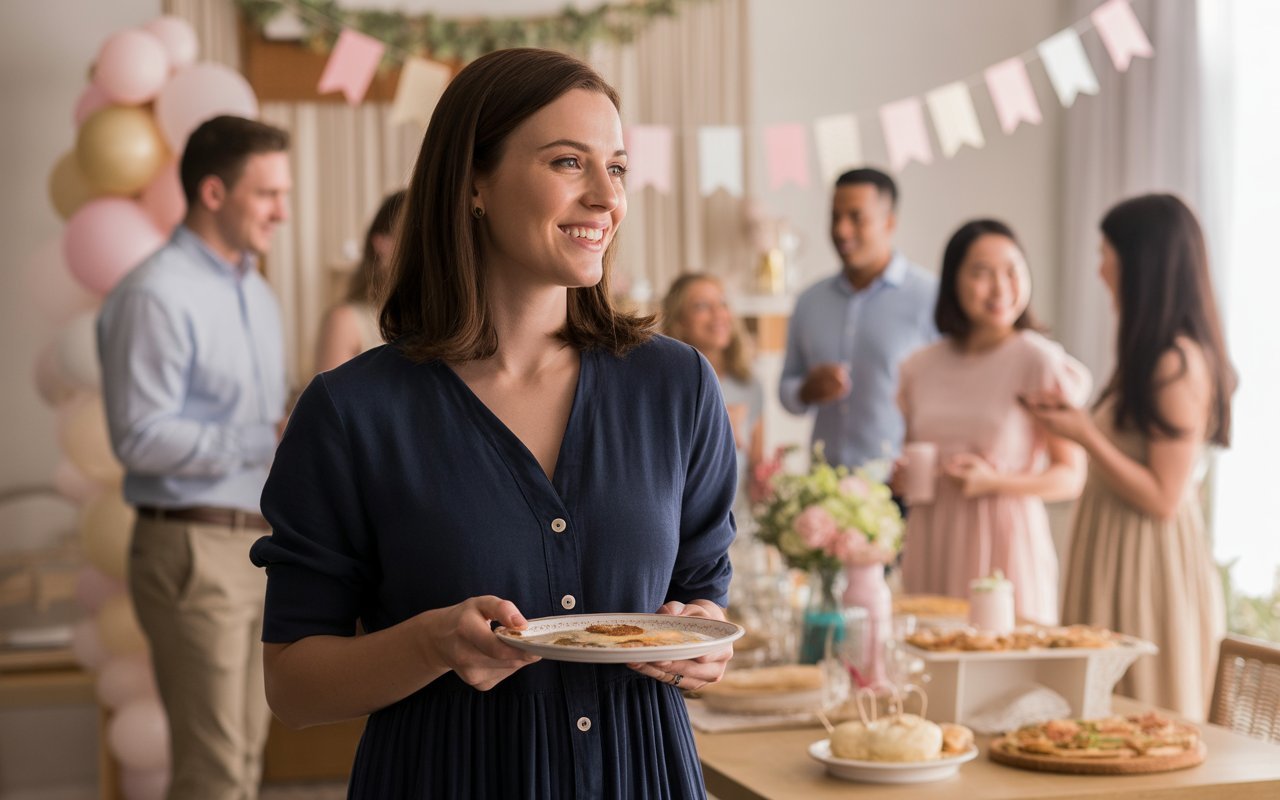
Planning your first baby shower can feel overwhelming. You want everything to run smoothly, but you’re not quite sure where to start or what guests will expect. The good news is that hosting a memorable celebration doesn’t require professional event planning skills or a massive budget. With the right approach, you can create an enjoyable experience that feels effortless.
Many first-time hosts worry about keeping guests entertained, managing the flow of activities, and handling logistics. These concerns are completely normal. What separates a stressful hosting experience from a successful one often comes down to preparation and smart planning choices. Small decisions about setup, timing, and guest interaction can make a big difference in how the event unfolds.
Below 10 practical baby shower ideas that address common hosting challenges. Each suggestion focuses on making your job easier while keeping guests happy and engaged. From entertainment options to setup strategies, these tips will help you create a celebration that runs smoothly from start to finish.
Themed Baby Shower Games
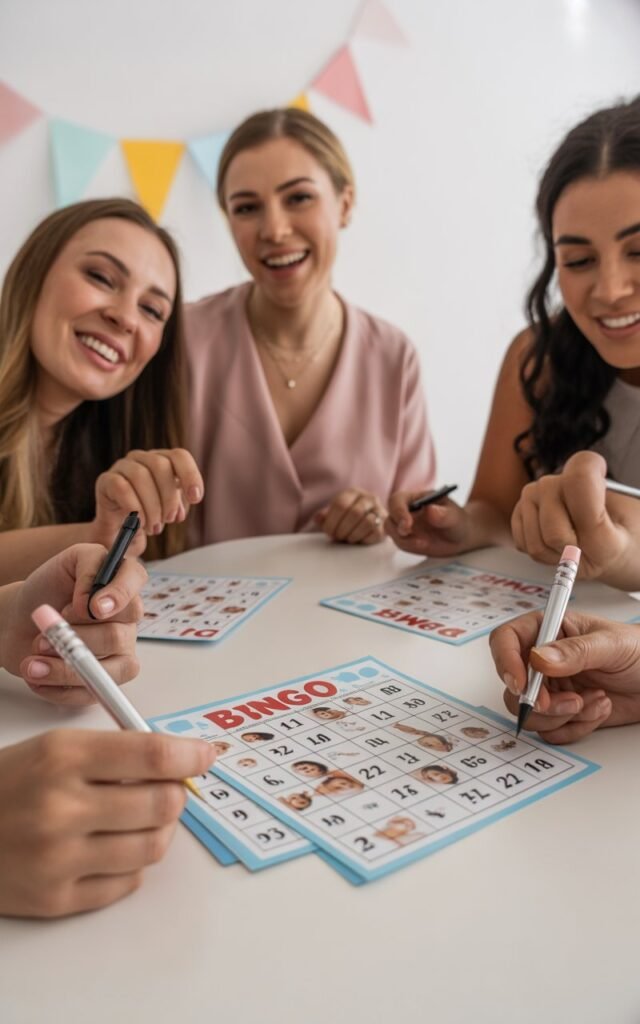
Baby shower games keep guests entertained and help break the ice between people who may not know each other well. The key is choosing activities that are simple to explain and don’t require complicated materials or setup.
Classic Game Options
Games like baby bingo, diaper raffle, and guess the baby food work well because they’re familiar to many guests. You can print templates online or create simple cards yourself. These activities don’t need constant supervision, which frees you up to handle other hosting tasks.
Consider having 2-3 games ready but not forcing everyone to participate. Some guests prefer to chat and socialize instead. Set up a small prize table with items like candles, chocolates, or small gift cards for winners.
DIY Decoration Stations
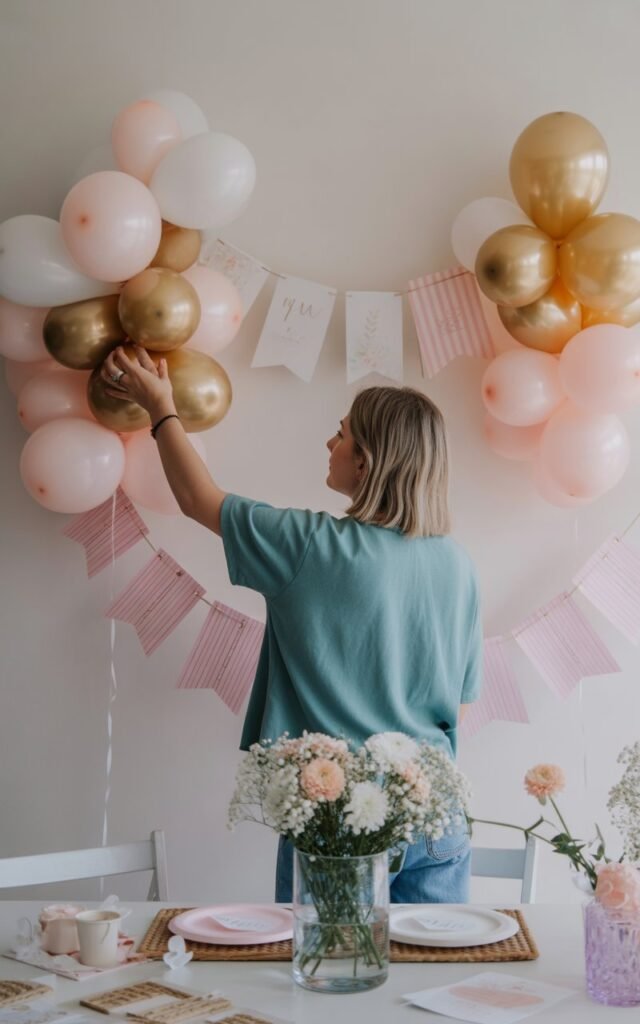
Creating specific decoration zones makes your space look intentional without overwhelming you with setup work. Focus on three main areas: the entrance, the food table, and the gift area.
Simple balloon clusters, paper banners, and fresh flowers create visual impact without requiring professional skills. You can prepare most decorations the day before, then spend just 30 minutes on final placement before guests arrive. Stick to 2-3 colors that match your theme to keep everything cohesive.
Budget-Friendly Display Ideas
Dollar stores and craft shops carry affordable decoration supplies. Paper lanterns, tissue pom-poms, and streamers cost very little but create a festive atmosphere. Group decorations together rather than spreading them throughout the entire space—this concentrated approach looks more polished.
Food and Drink Bar Setup
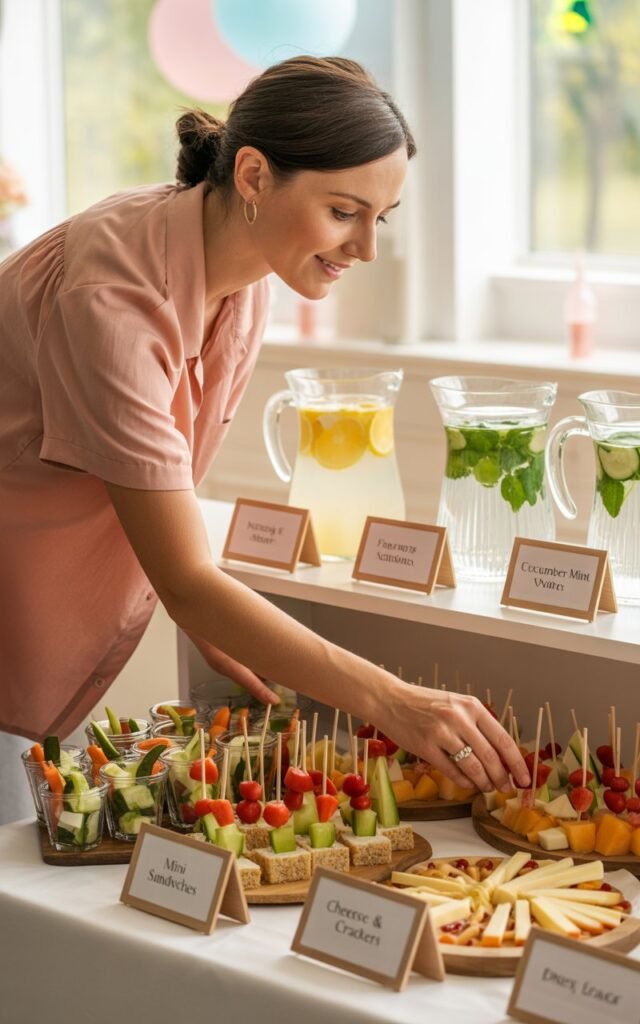
A self-service food station eliminates the need to constantly refill plates and serve guests. This setup lets people eat at their own pace while you focus on other hosting duties.
Choose finger foods that can sit out safely for 2-3 hours. Mini sandwiches, fruit skewers, cheese and crackers, and veggie cups work perfectly. Arrange everything on one large table with clear labels, especially for items containing common allergens:
Dietary Labels: Mark vegetarian, gluten-free, and nut-free options clearly.
Serving Utensils: Provide separate tongs or spoons for each dish to prevent mixing.
Napkin Station: Stack extra napkins and small plates at both ends of the table.
Set up a separate beverage area with a mix of options. Pitchers of infused water, lemonade, and iced tea look attractive and let guests help themselves. Add a bucket of ice and some disposable cups to complete the station.
Guest Book Alternatives
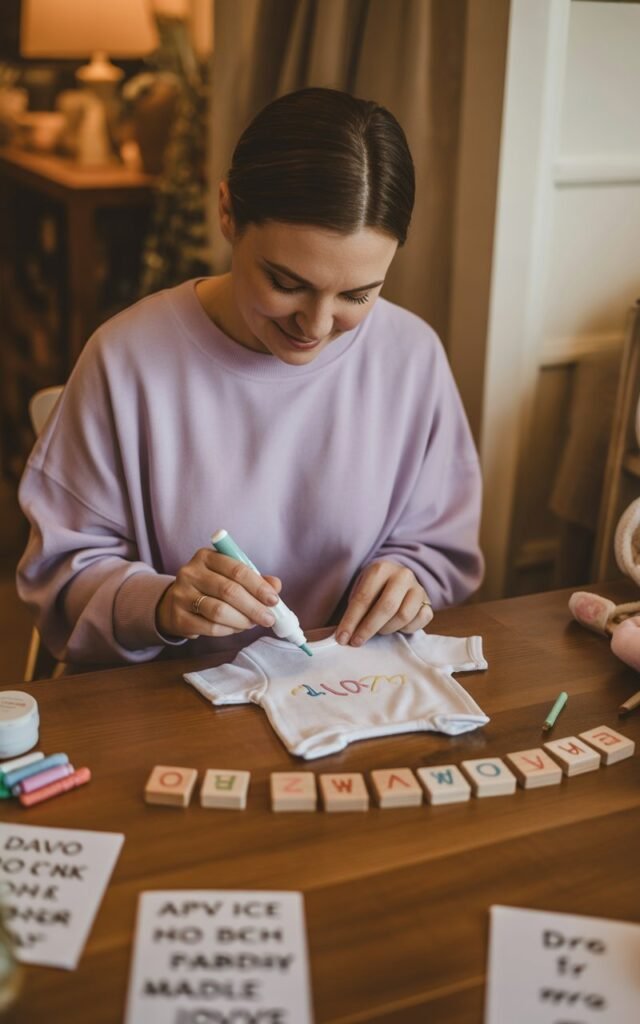
Traditional guest books often get forgotten or filled with generic messages. Creative alternatives give guests something fun to do while creating a meaningful keepsake for the parents.
Interactive Memory Options
Have guests write advice cards, decorate onesies with fabric markers, or sign wooden blocks that spell out the baby’s name. These activities double as entertainment and give people who arrive early something to do. Set up the station near the entrance with clear instructions so guests can participate right away.
Another option is creating a time capsule box where guests write letters to the baby to be opened on their 18th birthday. This requires minimal supplies—just nice stationery, pens, and a decorated box.
Pre-Made Activity Timeline
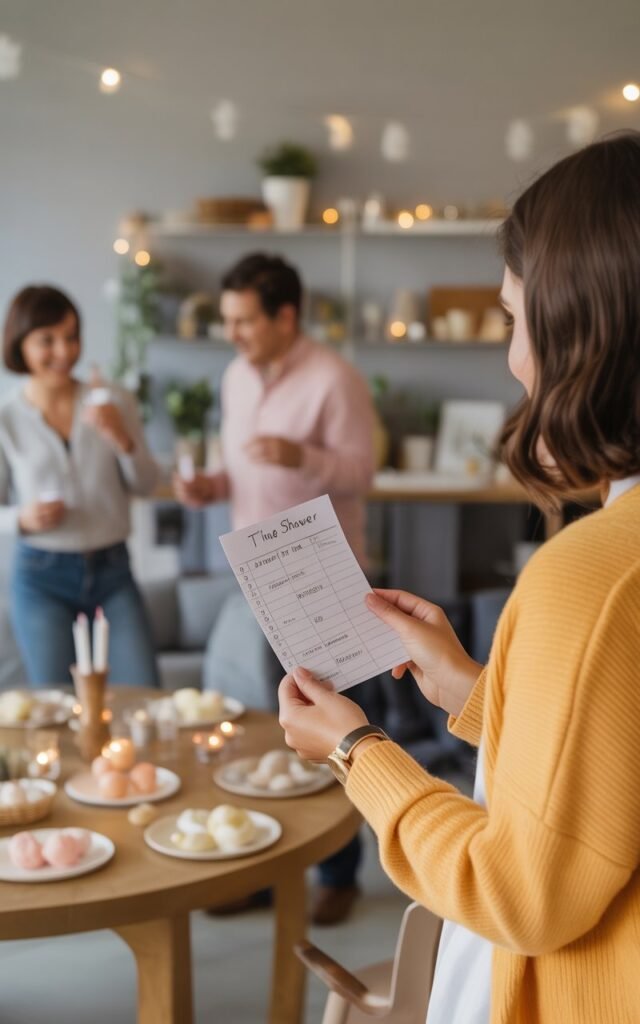
Creating a loose schedule prevents awkward gaps and keeps the celebration moving forward. You don’t need to follow it exactly, but having a general plan reduces hosting stress.
Plan for activities to happen every 30-45 minutes. Start with mingling and games, move to food, then gift opening, and finish with cake or dessert. Write your timeline on a notecard and keep it in your pocket for quick reference.
Build in buffer time between activities. If games run long or people are enjoying conversation, you can adjust without feeling rushed. The timeline serves as a guide, not a strict rulebook.
Timing Considerations
Most baby showers last 2-3 hours. Schedule the main event (usually gift opening) for about halfway through. This gives early arrivals time to settle in and prevents late guests from missing important moments. Save dessert for near the end to signal the celebration is winding down.
Self-Service Favor Table
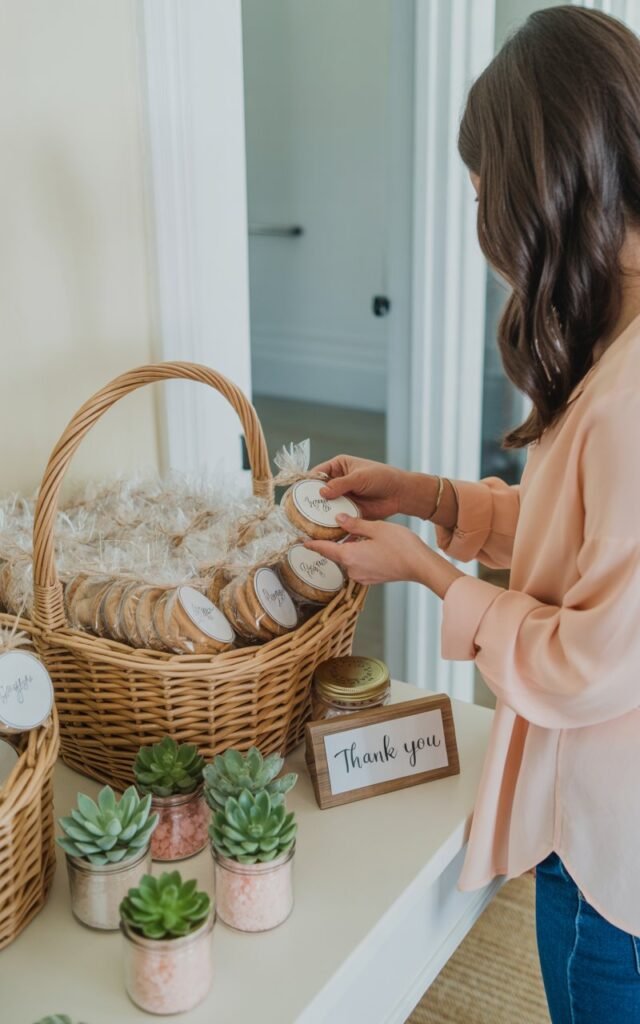
Party favors are a nice touch, but handing them out individually takes time you might not have. A self-service table solves this problem while looking intentional.
Place favors in a basket or on a decorated table near the exit with a small sign that says “Thank you for celebrating with us!” This setup reminds guests to take one as they leave without requiring you to track who got what.
Simple favors work best. Small bags of candy, miniature succulents, homemade cookies in cellophane bags, or bath salts in mason jars are all appreciated. Keep costs low by making items yourself or buying in bulk.
Music Playlist Strategy
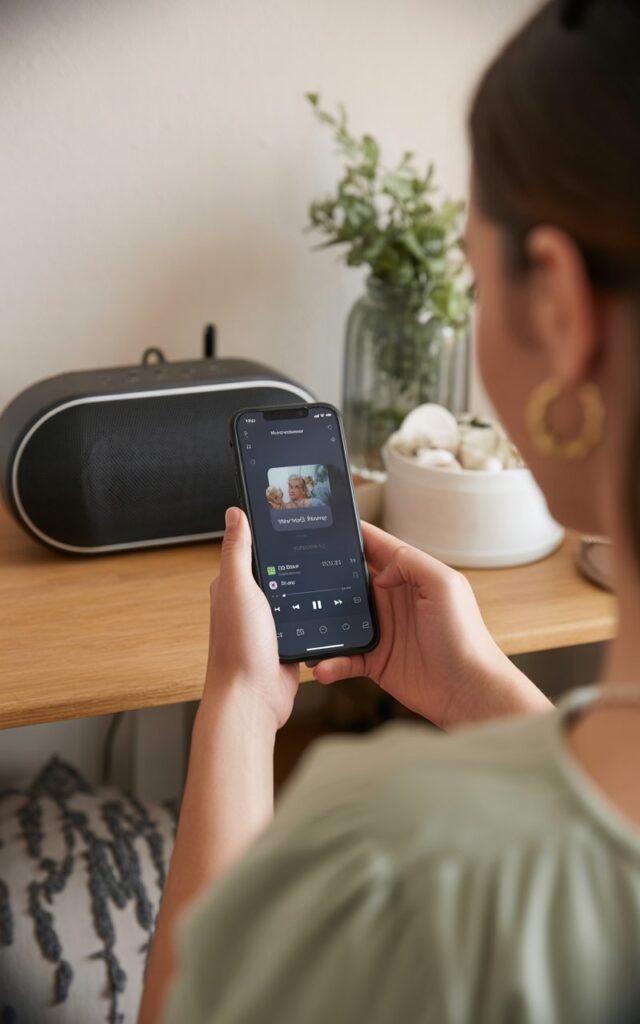
Background music fills silence and creates atmosphere, but choosing songs during the party distracts you from hosting. Create your playlist ahead of time and let it run automatically.
Playlist Building Tips
Aim for 3-4 hours of music to avoid repetition. Mix upbeat songs with slower, conversational tracks. Keep volume low enough that people can talk comfortably without shouting. Test your sound system before guests arrive to avoid technical problems.
Streaming services offer pre-made party playlists you can use as starting points. Add or remove songs to match your style, then download the playlist so it plays without interruptions or ads. Avoid songs with explicit lyrics or controversial themes.
Baby Photo Display Wall
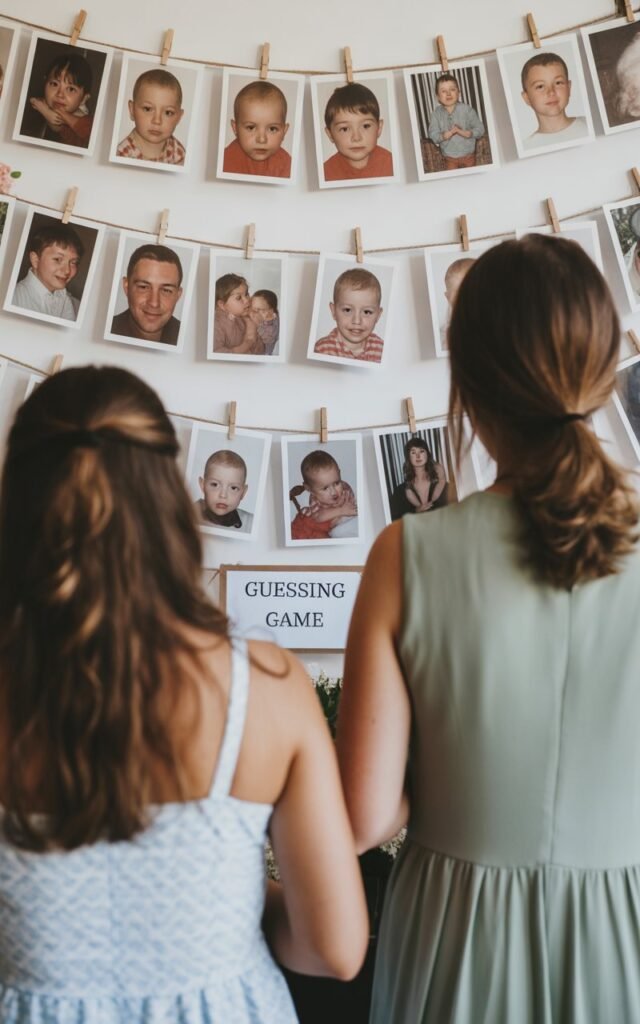
A photo wall featuring pictures of the parents-to-be as babies creates a conversation starter and adds personal touches to your decorations. Guests enjoy guessing who’s who and sharing stories.
Collect 10-15 photos from both parents showing different ages and stages. Print them in the same size for a cohesive look, then attach them to a poster board, string them on twine with clothespins, or arrange them on a table easel.
Place the display in a high-traffic area where guests naturally gather. Add a small sign encouraging people to guess which photos show which parent. This simple activity works throughout the party without requiring any supervision from you.
Gift Opening Station Setup

Gift opening can take a while, so making the expectant parent comfortable shows thoughtfulness. Set up a designated chair with good lighting and a trash bag nearby for wrapping paper.
Position the chair so most guests can see without crowding. Have someone designated to collect gifts, hand them to the parent, and keep track of who gave what for thank-you notes later. This system keeps things organized and prevents confusion.
Managing the Process
Some hosts skip gift opening during the party to save time. This works well for larger gatherings where opening 30+ gifts would take too long. If you choose this route, let guests know beforehand so they don’t expect to see their gift opened. The parents can send thank-you notes with photos later.
Clean-Up System Plan
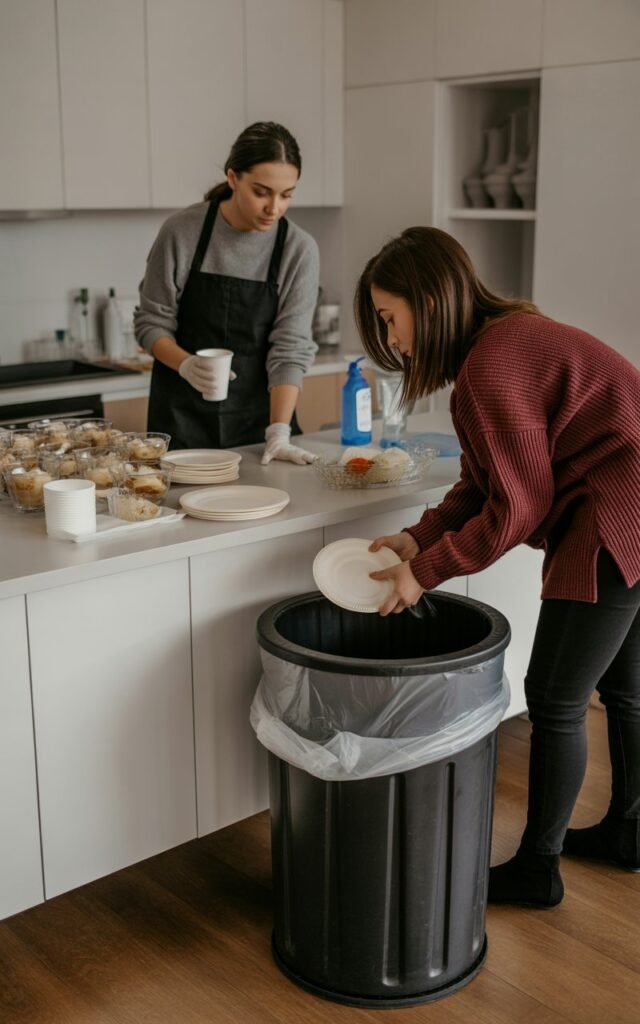
Planning your clean-up strategy before the party starts makes post-event tasks much faster. Smart decisions during setup translate to easier breakdown later.
Use disposable plates and cups to eliminate dish washing. Place trash cans in obvious spots so guests can throw away their own items. Line bins with bags you can simply tie and remove. Have cleaning supplies readily available for quick spill management.
Ask a family member or close friend to help with final clean-up. Having one extra person cuts the time significantly. They can start clearing food tables while you say goodbye to remaining guests.
Planning Your Perfect Celebration

First-time hosting doesn’t have to feel complicated or stressful. These ten strategies work because they simplify your responsibilities while keeping guests entertained and comfortable. The secret is choosing ideas that match your skills and comfort level rather than trying to impress everyone with elaborate details.
Focus on creating a welcoming atmosphere where people can relax and celebrate together. Guests remember the overall experience more than whether every detail was perfect. By implementing even a few of these suggestions, you’ll host a baby shower that feels professional and looks effortless.
Frequently Asked Questions
Q: How far in advance should I start planning a baby shower?
A: Start planning 6-8 weeks before the event. This gives you enough time to send invitations, order supplies, and prepare decorations without feeling rushed. Some tasks like creating playlists and planning games can be done earlier.
Q: What’s the ideal number of guests for a first-time host?
A: Keep your guest list between 15-25 people for your first time hosting. This size is manageable for planning, fits comfortably in most homes, and creates a social atmosphere without overwhelming you with logistics.
Q: Should I serve a full meal or just snacks?
A: Base your decision on party timing. Afternoon showers (2-4 PM) work well with light snacks and desserts. If your event runs during typical meal times (11 AM-1 PM or 5-7 PM), guests will expect more substantial food options.
Q: How long should baby shower games last?
A: Plan for games to take up about 30-45 minutes total. Playing 2-3 quick games works better than one long activity. This keeps energy up without boring guests who aren’t interested in games.
Q: What if some guests don’t know each other?
A: Name tags help people remember names during introductions. Ice breaker games where guests share facts about themselves also work well. Mixing seating arrangements rather than letting people cluster in familiar groups encourages mingling.
Q: Do I need to provide food for different dietary restrictions?
A: Include at least a few vegetarian options and label all dishes with common allergens. You don’t need to accommodate every possible restriction, but having some variety shows consideration for your guests.
Q: What’s the best time to schedule gift opening?
A: Plan gift opening for the middle of your event, about 60-90 minutes in. This prevents early arrivals from sitting through the entire process and gives late guests a chance to settle in before the main activity starts.
Q: How can I handle unexpected situations during the party?
A: Keep basic supplies handy—extra napkins, cleaning spray, band-aids, and phone chargers. Have a backup plan for outdoor events in case of weather changes. Stay calm and remember that guests are generally understanding when small things go wrong.