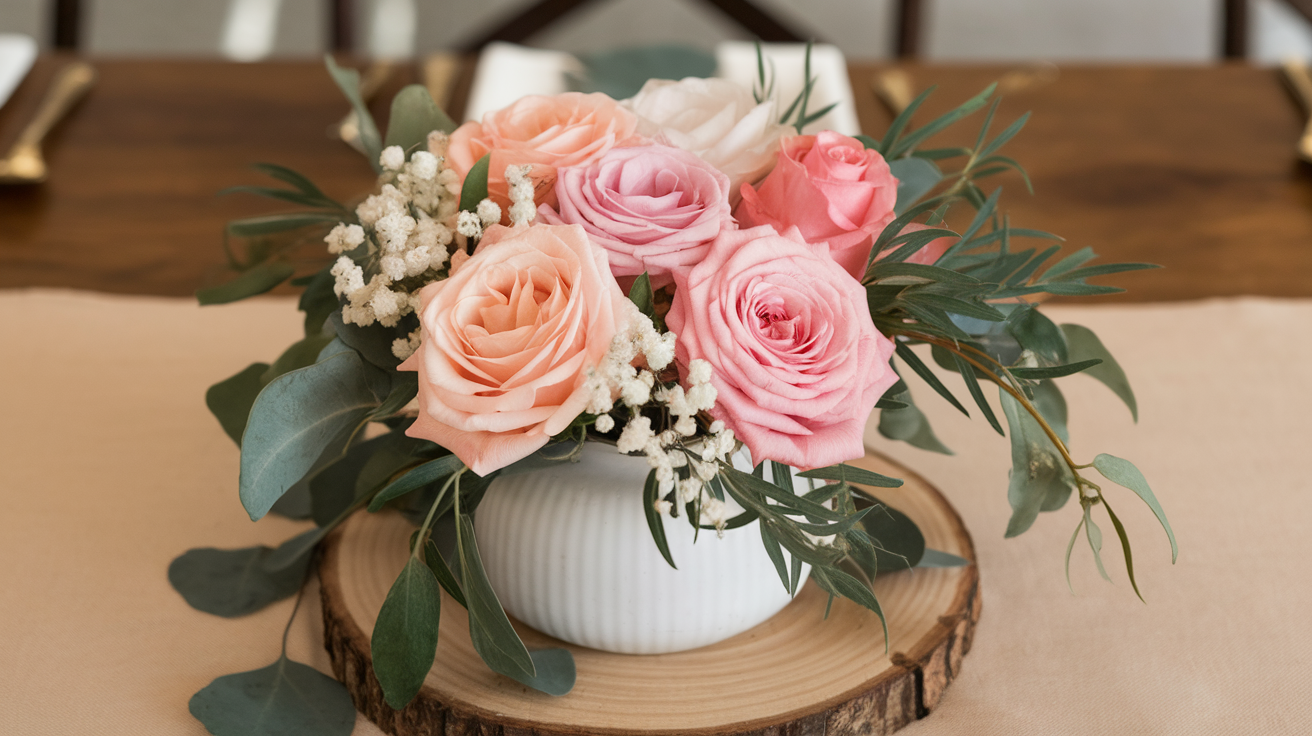
Wedding centerpieces transform ordinary reception tables into captivating focal points that reflect your personal style and celebration theme. These decorative arrangements do far more than fill empty space – they create conversation starters, establish the visual tone of your reception, and contribute to the overall atmosphere you want your guests to experience. Whether you envision romantic florals cascading across tables or sleek modern designs that make subtle statements, the right centerpieces bring your wedding vision to life.
Selecting centerpieces involves balancing multiple factors beyond just aesthetic appeal. Your venue’s existing décor, table sizes, ceiling heights, and lighting all influence which arrangements will work best. Budget considerations also play a significant role, as centerpieces can range from simple DIY projects costing under twenty dollars to elaborate professional installations reaching hundreds per table. The season of your wedding opens certain possibilities while limiting others – peonies might be perfect for spring but unavailable for fall celebrations.
The variety of centerpiece styles available today means every couple can find options that resonate with their taste and wedding theme. From timeless floral arrangements that have graced tables for generations to innovative designs incorporating unexpected materials, the possibilities stretch as far as your imagination. In the following sections, we’ll explore ten distinct centerpiece categories, each offering multiple variations to spark inspiration for your special day.
Classic Floral Centerpieces That Never Go Out of Style
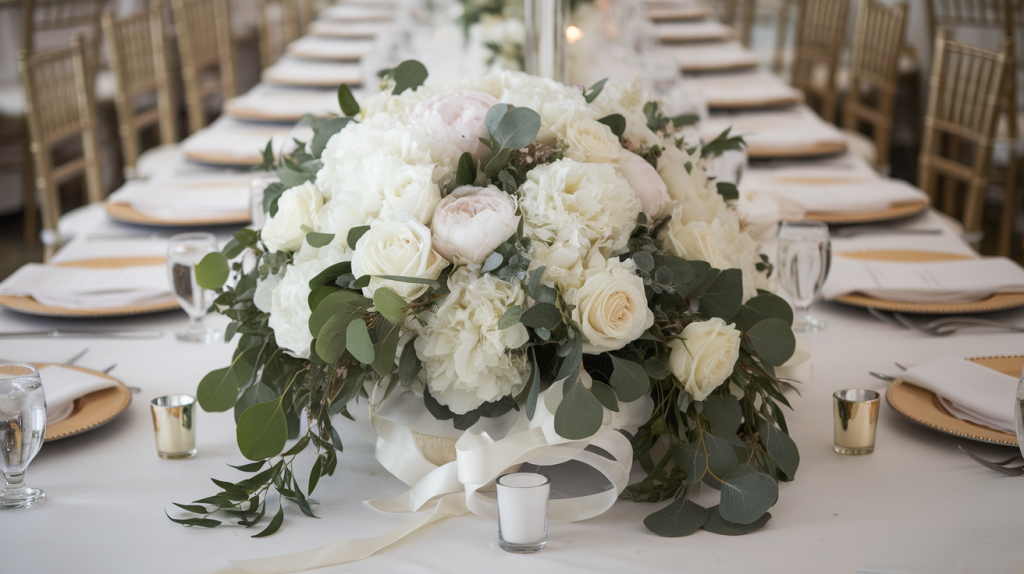
Floral arrangements remain the gold standard for wedding centerpieces, offering endless possibilities through color, texture, and composition variations. Traditional doesn’t mean boring – classic floral designs provide sophistication and romance that complement virtually any wedding style. These arrangements connect to centuries of wedding traditions while allowing plenty of room for personal expression through flower selection and arrangement techniques.
Romantic Rose Arrangements
Roses symbolize love across cultures, making them a natural choice for wedding celebrations. Full, round arrangements of roses in soft pastels create an undeniably romantic atmosphere. Consider mixing different rose varieties – garden roses offer ruffled petals and intense fragrance, while standard roses provide structure and consistency. Varying the heights of blooms within arrangements adds visual interest without sacrificing the cohesive rose theme.
The container you choose dramatically impacts the overall look. Silver or gold mercury glass vases amplify the luxurious feel, while clear glass keeps attention on the blooms themselves. For budget-conscious couples, using roses as accent flowers rather than the sole component reduces costs while maintaining that romantic rose presence.
Mixed Seasonal Blooms
Working with flowers naturally available during your wedding season creates harmonious centerpieces that feel connected to the time and place of your celebration. Spring weddings might feature tulips, daffodils, and cherry blossoms, while autumn celebrations could showcase dahlias, chrysanthemums, and ornamental grasses.
Seasonal arrangements often cost less than out-of-season imports while providing fresher, longer-lasting displays. Your florist can guide you toward the best options available during your wedding month, potentially introducing you to beautiful varieties you hadn’t considered. Mixing three to five complementary flower types creates depth and visual interest without overwhelming the arrangement.
Single-Variety Statement Pieces
Sometimes simplicity makes the strongest statement. Massing one flower type creates dramatic impact through repetition and abundance. Picture tables topped with clouds of white hydrangeas, bundles of lavender, or dozens of sunflowers – each option communicates a distinct mood and style.
This approach works particularly well when you have a signature flower that holds special meaning. Perhaps you’re using the same flower your grandmother carried in her bouquet, or selecting blooms from your engagement location. Single-variety arrangements also photograph beautifully, creating consistent visual elements throughout your reception images.
Color becomes especially important with single-flower designs. You might use different shades of the same bloom – think pale pink to deep magenta peonies – or stick to one exact hue for maximum impact. The uniformity of single-variety arrangements can actually highlight subtle variations in each individual bloom.
Cascading Floral Designs
Flowing arrangements that spill gracefully over table edges bring movement and drama to reception décor. These designs work especially well for head tables or sweetheart tables where you want to create a luxurious focal point. Cascading elements might include trailing ivy, jasmine vines, or flowing ribbons interwoven with blooms.
Building successful cascading arrangements requires sturdy mechanics to support the weight of extending elements. Professional florists often use specialized foam cages or wire frameworks hidden within the design. The key lies in creating natural-looking flow rather than forced placement – flowers should appear to tumble organically from the central arrangement.
Garden-Inspired Arrangements
Loose, organic arrangements that mimic freshly picked garden bouquets bring relaxed elegance to wedding receptions. These designs typically combine various flower types, heights, and textures to create an abundant, slightly wild appearance. Garden-style centerpieces often incorporate unexpected elements:
Foliage Variety: Different leaf shapes and colors add depth beyond just flowers.
Herb Sprigs: Rosemary, mint, or sage provide fragrance and textural interest.
Seed Pods: Natural elements like poppy pods or ornamental grasses extend seasonal feel.
Berries: Hypericum berries or viburnum clusters add pops of unexpected color.
The containers for garden-style arrangements should complement their informal nature. Weathered urns, vintage pitchers, or simple glass vessels allow the natural beauty of the arrangement to shine. These centerpieces particularly suit outdoor weddings, barn venues, or any celebration emphasizing natural, organic aesthetics.
Modern Minimalist Centerpiece Ideas
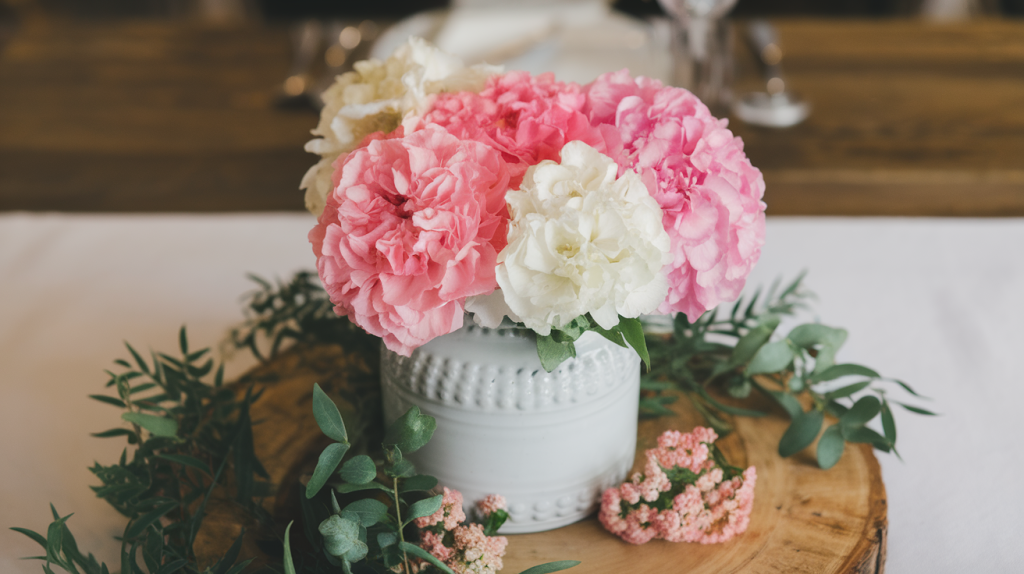
Clean lines, negative space, and intentional simplicity define modern minimalist wedding centerpieces. This design approach strips away excess to highlight essential elements, creating sophisticated tablescapes that feel fresh and contemporary. Minimalist doesn’t mean boring or sparse – instead, it represents thoughtful curation where every component serves a purpose and contributes to the overall aesthetic impact.
Contemporary couples drawn to minimalist centerpieces often appreciate how these designs allow other reception elements to shine. The food presentation, dinnerware, and table linens become part of the overall visual composition rather than competing with elaborate floral displays. This approach also typically requires fewer materials, making it an environmentally conscious choice that can reduce wedding waste.
Geometric Terrariums with Succulents
Angular glass terrariums filled with drought-tolerant plants create striking modern centerpieces that guests can actually take home as favors. These geometric structures – whether pyramids, hexagons, or asymmetric shapes – cast interesting shadows under reception lighting while showcasing the sculptural qualities of succulents and air plants.
Building these arrangements involves more than just placing plants in glass containers. Layer different textures using sand, pebbles, activated charcoal, and moss to create miniature landscapes within each terrarium. The transparent walls reveal these layers, adding visual depth to relatively small centerpieces. Gold or copper framework terrariums introduce metallic warmth that prevents the designs from feeling cold or clinical.
Simple Greenery Runners
Long stretches of eucalyptus, olive branches, or ferns running down table centers create an understated yet impactful look. This approach works particularly well for long rectangular tables where traditional round centerpieces might feel disconnected from each other. Greenery runners provide continuous visual flow while leaving plenty of table space for place settings and shared dishes.
The beauty of greenery runners lies in their versatility. You can keep them completely green for ultimate simplicity or punctuate them with occasional white blooms, candles, or small decorative elements. Different greenery types communicate distinct moods – silver dollar eucalyptus feels soft and romantic, while tropical monstera leaves make bold contemporary statements.
Floating Candles in Glass Vessels
Water-filled bowls or cylinders with floating candles offer mesmerizing simplicity that catches and reflects light beautifully. This centerpiece style requires minimal materials yet creates significant ambiance, especially for evening receptions. The movement of flames reflected in water adds subtle animation to otherwise static table designs.
Enhance basic floating candle displays by adding elements to the water. Flower petals, particularly roses or orchids, float alongside candles for added color. Submerged elements like cranberries, citrus slices, or even LED lights beneath the water create additional visual layers. Varying vessel heights across tables prevents monotony while maintaining the cohesive floating candle theme.
Monochromatic Color Schemes
Limiting centerpieces to variations of a single color creates sophisticated, cohesive designs that feel intentionally curated. This might mean all-white arrangements combining different flower varieties and textures, or exploring the full range of a single hue from palest to deepest tones.
Working monochromatically forces attention to texture, form, and scale rather than relying on color contrast for visual interest. An all-white centerpiece might combine smooth calla lilies, ruffled ranunculus, spiky thistle, and fuzzy dusty miller – each contributing different textural elements while maintaining color harmony. This approach photographs beautifully and never clashes with other décor elements.
Clean-Lined Ceramic Planters
Sleek ceramic vessels in simple shapes – cylinders, spheres, or rectangles – provide modern frames for whatever you place inside. These containers become part of the design rather than just flower holders, especially when chosen in colors that complement your wedding palette. Matte finishes feel particularly contemporary, while glazed surfaces add subtle shine.
The key to success with ceramic planters lies in proportion and placement. Group odd numbers of vessels at varying heights for dynamic arrangements, or line identical planters down table centers for rhythmic repetition. Fill them with anything from single orchid stems to clouds of baby’s breath – the structured containers provide cohesion regardless of contents.
Rustic and Natural Wedding Centerpieces
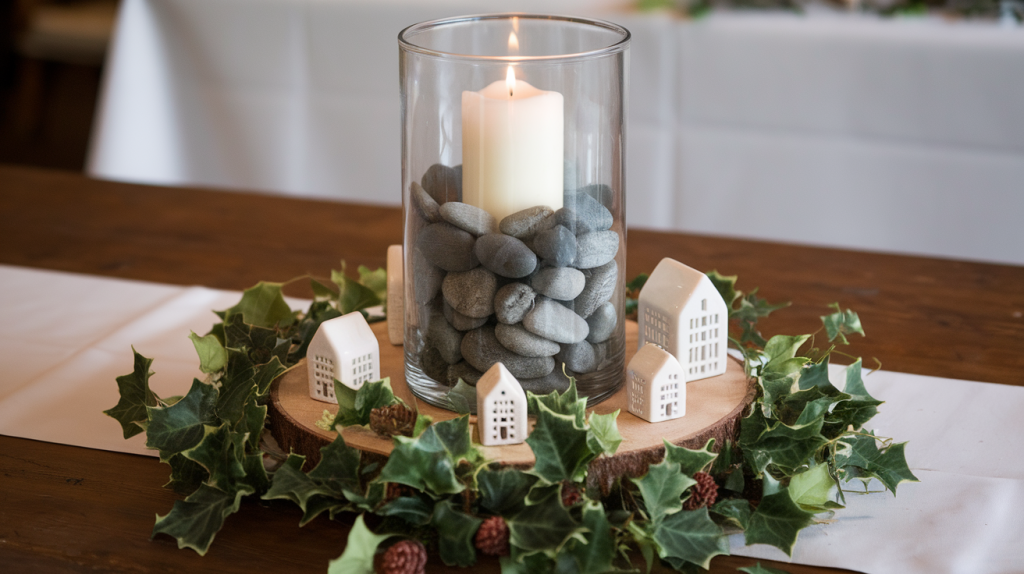
Natural materials and organic textures create warm, inviting centerpieces perfect for couples seeking relaxed, down-to-earth wedding atmospheres. Rustic designs celebrate imperfection and authenticity, incorporating elements that might be foraged, repurposed, or crafted by hand. These centerpieces often tell stories through their materials – perhaps wood from the family farm or wildflowers from meaningful locations.
The rustic aesthetic extends beyond just barn weddings or outdoor celebrations. These natural centerpieces bring warmth to industrial loft spaces, soften formal ballrooms, and complement garden party settings. Their approachable, unfussy nature encourages guests to relax and enjoy themselves rather than worrying about disturbing elaborate displays.
Budget often stretches further with rustic centerpieces since many elements can be sourced inexpensively or even free. Fallen branches, pinecones, and seasonal foliage cost nothing to gather, while thrift stores and flea markets offer endless possibilities for vintage containers and decorative elements.
Wood Slice Bases with Wildflowers
Tree rounds or wood slices provide natural platforms that ground centerpiece arrangements while adding organic texture to tables. These wooden bases can be left raw to showcase natural bark edges and grain patterns, or sanded smooth and sealed for a more polished appearance. Each slice is unique, bringing individual character to every table.
Wildflower arrangements atop wood slices capture meadow-like beauty in miniature. Mix varieties that might grow together naturally – Queen Anne’s lace with black-eyed Susans, or lavender with yarrow. Small mason jars or vintage bottles grouped on each wood round hold these informal bouquets at varying heights. The contrast between rough wood and delicate blooms creates visual interest that feels both planned and spontaneous.
Mason Jar Arrangements
These versatile glass containers have become rustic wedding staples for good reason – they’re affordable, readily available, and wonderfully adaptable. Mason jars can hang from shepherd’s hooks along aisles, cluster as centerpieces, or line up as simple vases down table centers. Their transparent simplicity lets flowers and decorative elements take center stage.
Transform basic mason jars through simple additions. Wrap them with burlap, lace, or twine for added texture. Paint them in wedding colors or frost them for softer light diffusion. Threading battery-operated fairy lights through jar arrangements adds magical glow without fire concerns. Consider mixing jar sizes within centerpieces for varied heights and visual rhythm.
Branches and Twigs Displays
Architectural branch arrangements bring height and drama without the cost of tall floral designs. Curly willow, birch branches, or flowering varieties like cherry or dogwood create striking vertical elements. These natural sculptures can stand alone in tall vases or anchor lower arrangements of flowers and greenery.
Paint branches gold, silver, or white for a more refined look that bridges rustic and elegant styles. Hang small glass orbs, crystals, or tea lights from branches for added sparkle. During autumn, branches with remaining leaves provide seasonal color, while winter weddings might feature branches spray-painted with adhesive and rolled in artificial snow for frost-like effects.
Herb Garden Centerpieces
Potted herbs arranged as centerpieces offer fragrance, visual appeal, and practical post-wedding use. Rosemary, lavender, basil, and thyme planted in coordinating containers create living centerpieces that engage multiple senses. Guests brush against herbs while reaching across tables, releasing aromatic oils that enhance the dining experience.
Label each herb with small chalkboard signs or kraft paper tags for educational charm. Mix herbs with complementary growing requirements in larger planters for abundant displays. These living centerpieces work particularly well for garden weddings, farm-to-table receptions, or any celebration emphasizing sustainability and connection to the earth.
Burlap and Lace Combinations
The textural contrast between rough burlap and delicate lace perfectly captures rustic elegance. Use these materials to wrap vases, create table runners beneath centerpieces, or fashion decorative elements within arrangements themselves. This combination bridges casual and formal, making it suitable for a wide range of wedding styles.
Layer these textures thoughtfully to avoid overwhelming tables. Perhaps burlap-wrapped cylinders hold simple white flower arrangements, with lace ribbon tied around vase necks. Or create rosettes from both materials to tuck among floral displays. The natural brown of burlap grounds arrangements while lace adds feminine sophistication.
Glamorous and Luxurious Table Settings
Opulent centerpieces transform wedding receptions into grand celebrations worthy of fairy tales. These lavish designs incorporate rich materials, dramatic proportions, and light-catching elements that create an atmosphere of abundance and luxury. While these centerpieces often require larger budgets, their impact can be so significant that you might choose to invest more here while simplifying other décor elements.
Glamorous centerpieces work best in venues that can support their drama – ballrooms with high ceilings, historic mansions, or elegant hotels. The space itself becomes part of the design, with centerpieces scaled to complement rather than compete with architectural features.
Crystal Candelabras
Nothing evokes classic elegance quite like crystal candelabras casting prismatic light across reception tables. These traditional pieces range from ornate vintage styles dripping with crystals to sleek modern interpretations with clean lines and minimal embellishment. Real crystal creates the most brilliant light refraction, though quality acrylic alternatives offer similar visual impact at lower cost.
Mix candelabra heights across the reception space to create visual variety. Alternate tall five-arm pieces with lower three-arm versions, or combine candelabras with complementary crystal votives. For safety, especially in venues with restrictions, consider LED candles that flicker convincingly without fire risk.
Soften the formal appearance of crystal candelabras by adding floral elements. Wrap bases with greenery garlands or tuck small blooms among the arms. This combination of hard crystal and soft petals creates balanced designs that feel luxurious without being cold or untouchable.
Metallic Accents and Mercury Glass
Reflective metallic surfaces multiply light and create warm ambiance throughout reception spaces. Mercury glass vessels provide antique glamour with their mottled silver finish, while polished gold or copper containers offer contemporary luxury. These materials naturally complement candlelight, amplifying its glow across tables.
Mix metallic finishes for sophisticated depth rather than matching everything exactly. Perhaps gold-rimmed chargers coordinate with brass candlesticks while mercury glass vases hold white flowers. This curated mix feels more collected and intentional than perfectly matched sets.
Tall Dramatic Arrangements
Elevated centerpieces rising two feet or more above tables create impressive visual impact while keeping sight lines clear for cross-table conversation. These arrangements typically use specialized stands or tall vases to achieve height, with cascading elements that bring the design back down toward the table surface.
Building tall arrangements requires careful attention to proportion and stability. The container base must be weighted sufficiently to prevent tipping, while the arrangement itself needs proper mechanics to support elevated blooms. Professional florists often use foam cages or chicken wire structures hidden within designs to maintain shape and stability throughout the reception.
Elevated Elegance: Orchids naturally grow upward, making them perfect for tall designs
Structural Support: Curly willow or birch branches provide framework for flowers
Cascading Elements: Amaranthus or ivy soften rigid vertical lines
Base Decoration: Scatter petals or votives around tall vase bases to ground arrangements
Mirrored Bases and Reflective Elements
Mirror-topped table rounds or mirrored boxes beneath centerpieces literally double their visual impact through reflection. These surfaces create the illusion of fuller, more elaborate arrangements while bouncing light throughout the space. The reflective quality adds glamour without requiring additional flowers or decorative elements.
Layer different reflective textures for complex visual interest. Place mercury glass votives on mirrored runners, or float candles in silver bowls atop mirror rounds. Adding clear glass or crystal elements creates additional light play as reflections bounce between surfaces.
Pearl and Jewel Embellishments
Incorporating pearls, crystals, or jewel-like elements elevates centerpieces from pretty to truly luxurious. These additions might be subtle – a few pearl pins tucked among roses – or dramatic, with crystal strands draping from arrangements like jewelry. The key lies in using these embellishments intentionally rather than haphazardly.
Thread pearl strands through arrangements for classic elegance, or scatter loose pearls around vase bases for subtle shimmer. Crystal elements can hang from branches, nestle among flowers, or fill vase bottoms for underwater sparkle. Colored jewels or beads introduce additional hues that complement your wedding palette while maintaining luxurious appeal.
DIY Centerpiece Ideas for Creative Couples
Handcrafted centerpieces add personal meaning and unique character that no professional florist could replicate. Creating your own centerpieces allows complete creative control while potentially reducing costs significantly. These projects become part of your wedding story – perhaps crafting sessions with bridesmaids or quiet evenings spent creating something beautiful together as a couple.
DIY doesn’t mean amateur or cheap-looking when executed thoughtfully. Many handmade centerpieces rival or exceed professional designs in terms of creativity and visual impact. The key lies in choosing projects that match your skill level and available time while maintaining consistent quality across all tables.
Starting DIY centerpiece projects early prevents last-minute stress and allows time for practice and refinement. Create a prototype months in advance to test your design, refine techniques, and accurately calculate materials needed. This prototype can also help recruit helpers by showing them exactly what you’re trying to achieve.
Paper Flower Creations
Paper flowers offer endless possibilities for couples willing to invest time rather than money in centerpiece creation. From simple tissue paper peonies to intricate crepe paper roses, these blooms never wilt and can be made well in advance. Quality papers in wedding colors create cohesive designs that photograph beautifully and last forever as keepsakes.
Different paper types yield distinct effects – tissue paper creates soft, ethereal blooms while cardstock produces structured, geometric flowers. Metallic or patterned papers add visual interest without additional embellishment. Mix paper flower sizes within arrangements for natural-looking variety, just as real flower arrangements combine different bloom sizes.
Creating paper flowers becomes easier with practice and proper tools. Invest in a few flower-making basics like petal punches, scoring tools, and quality scissors. YouTube tutorials and craft blogs offer free patterns and step-by-step instructions for virtually any flower type you want to recreate.
Wine Bottle Transformations
Empty wine bottles transformed into vases offer economical centerpiece foundations with built-in memory potential – perhaps bottles from your engagement dinner or wine-tasting weekend. These vessels work individually as bud vases or grouped for more substantial displays. Their height naturally creates vertical interest without requiring tall flower arrangements.
Remove labels by soaking bottles in warm water, then customize them using various techniques. Spray paint creates uniform color, while chalk paint offers matte texture you can write on. Wrapping bottles with twine, yarn, or ribbon adds tactile interest. For evening receptions, string battery-operated lights inside bottles for magical illumination.
Vintage Book Stacks with Florals
Old books stacked as centerpiece bases bring literary charm and varying heights to table designs. Scout thrift stores and library sales for hardcovers in colors complementing your palette. Remove dust jackets to reveal often-beautiful cloth bindings underneath, or recover books with decorative paper for complete customization.
Top book stacks with small potted plants, simple flower arrangements in vintage vessels, or even just candles for minimalist appeal. Tie stacks together with ribbon or lace to secure them while adding decorative detail. Consider choosing books with meaningful titles or by favorite authors for additional personal significance.
Fruit and Vegetable Displays
Seasonal produce creates unexpected centerpieces that surprise and delight guests while celebrating natural abundance. Artichokes, pomegranates, and figs offer sophisticated color and texture for fall weddings. Summer celebrations might feature pyramids of lemons and limes or bowls overflowing with berries.
Combining produce with flowers creates especially striking arrangements. Hollow out small pumpkins or melons to use as vases. Thread cranberries or blueberries onto wire for decorative accents. Slice citrus wheels to float in water-filled vessels alongside candles. These edible elements can be donated to food banks after the reception, reducing waste.
Personalized Photo Displays
Incorporating photographs into centerpieces shares your love story while creating conversation starters at each table. Display approaches range from simple photo frames arranged among flowers to elaborate photo trees where pictures hang from branches. These personal touches help guests feel connected to your celebration.
Create cohesion by using consistent photo treatments – all black and white, all sepia, or all color. Mix couple photos with pictures of guests who’ll sit at each table for personalized touches. Number tables using photos from different years of your relationship, or showcase pictures from places you’ve traveled together.
Small photo clips attached to branches or wire forms allow easy photo arrangement and rearrangement. Print photos on quality paper for best results, and consider having duplicates made as gifts for special guests. These photo-centric centerpieces become especially meaningful at anniversary celebrations or vow renewals.
Final Thoughts on Choosing Your Perfect Centerpieces
Selecting wedding centerpieces ultimately comes down to choosing designs that authentically represent your style as a couple while creating the atmosphere you envision for your celebration. The options explored here – from classic florals to creative DIY projects – demonstrate just how many directions you can take your reception décor. Your perfect centerpieces might combine elements from multiple styles, perhaps pairing rustic wood bases with elegant crystal accents, or mixing traditional roses with modern geometric containers.
Budget, venue, and season will naturally guide your choices, but don’t let these factors completely limit your creativity. Sometimes the most memorable centerpieces come from unexpected combinations or clever adaptations of traditional ideas. Trust your instincts about what feels right for your wedding, and remember that consistency across tables matters more than individual centerpiece perfection. Your guests will remember the overall atmosphere you create far more than specific decorative details, so choose centerpieces that contribute to the joy and beauty of your special day.
Frequently Asked Questions
Q: How many centerpieces do I need for my wedding reception?
A: You’ll typically need one centerpiece per guest table, plus potentially one for the gift table, cake table, and any cocktail tables. For a 150-person wedding with 8-person rounds, plan for about 20-22 centerpieces total.
Q: What’s the average cost of wedding centerpieces?
A: Centerpiece costs vary dramatically from $25 for simple DIY designs to $300+ for elaborate professional arrangements. Most couples spend between $75-150 per centerpiece, though beautiful options exist at every price point.
Q: Should all centerpieces at the reception match exactly?
A: Not necessarily. Many modern weddings feature varied centerpieces unified by common elements like color palette or material choices. Alternating between two or three complementary designs creates visual interest while maintaining cohesion.
Q: How tall should centerpieces be for guest comfort?
A: Keep centerpieces either under 14 inches or over 24 inches tall. This ensures guests can see over low arrangements or under tall ones for comfortable conversation across tables.
Q: Can guests take centerpieces home after the wedding?
A: Absolutely! Many couples encourage guests to take centerpieces as favors. Designate someone to announce this toward the reception’s end, or place small cards at tables indicating centerpieces are gifts.
Q: When should I finalize centerpiece decisions?
A: Book your florist 6-8 months before the wedding, but finalize specific centerpiece details 2-3 months prior. DIY projects should begin 3-4 months in advance to avoid last-minute stress.
Q: What are the best flowers for budget-friendly centerpieces?
A: Carnations, baby’s breath, chrysanthemums, and alstroemeria offer excellent value. In-season local flowers and greenery-heavy designs also stretch budgets while creating beautiful arrangements.
Q: How do I keep centerpieces from blocking conversation?
A: Choose designs under 14 inches tall for round tables, or use elevated arrangements that allow clear sight lines underneath. For long tables, consider runners or multiple small arrangements instead of one large central piece.